Loading...
Serving Palmdale, CA and surrounding areas(661) 450-6647
Palmdale Insulation serves Rosamond, CA homeowners with blown-in insulation, attic insulation, and air sealing designed for the Mojave Desert's 100-degree-plus summers — with 4+ years in the High Desert and a guaranteed response within one business day. Rosamond's growing residential base brings specific insulation demands that generic Antelope Valley advice does not fully cover. We assess your home, explain exactly what is costing you money, and complete the work in a single scheduled visit.
Rosamond is a census-designated place in Kern County at the northern end of the Antelope Valley, sitting at an elevation of 2,000 to 3,000 feet in the westernmost reach of the Mojave Desert. Its population has grown to more than 20,900 residents — up from 18,150 in 2010 — driven largely by its role as a bedroom community for Edwards Air Force Base, roughly 20 miles to the east, and for the aerospace defense contractors supporting it. A significant share of Rosamond's households are dual-income families connected to aviation, defense, and technical industries.
The community is unincorporated and governed by Kern County rather than a city government, which shapes how permits and local services are administered. Its housing stock skews newer than many Antelope Valley communities — Craftsman, Spanish Revival, and ranch-style homes built predominantly in the 21st century, with a median single-family sale price around $430,000. The Southern Kern Unified School District serves the area, and voters recently approved a $60 million bond to fund a new CTE facility at Rosamond High School and a new elementary school — investments that signal a community actively expanding.
The nearest major recreation landmark is Willow Springs International Motorsports Park, just west of town — the oldest permanent road course in the United States. To the south, Rosamond neighbors Lancaster, CA, which shares the same desert climate and where we also regularly work.
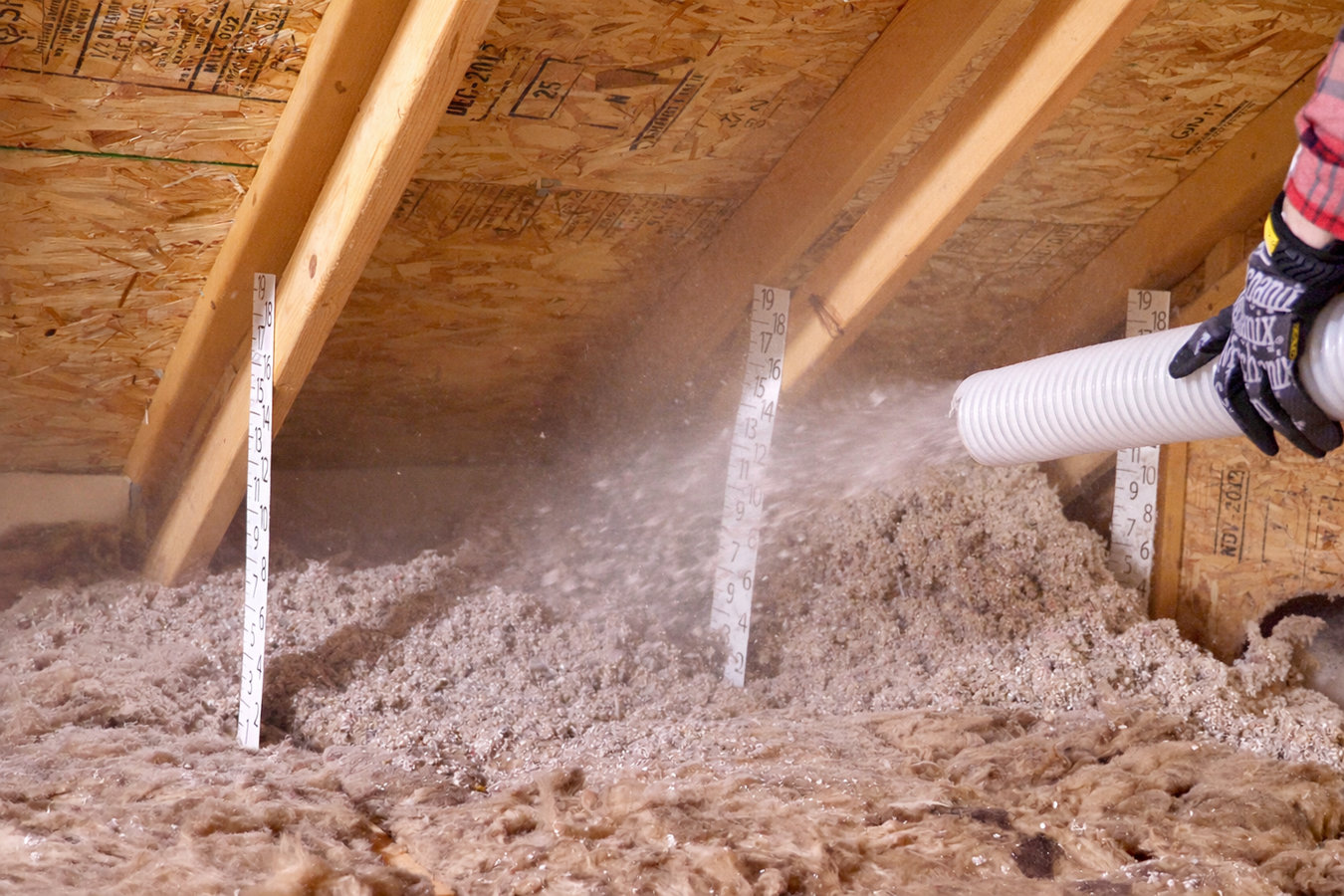
Blown-in insulation is the standard upgrade for Rosamond attics because it fills evenly around existing rafters, HVAC ducts, and wiring without disruption. For the area's newer homes, which often have consistent attic access, it installs quickly and reaches the R-49 or higher target that Climate Zone 14 homes need to keep cooling costs in check.
Rosamond's summers push attic temperatures above 150°F, with that heat radiating into living spaces below for hours after sunset. Even newer homes built to code-minimum levels benefit from upgrading to R-49, which can cut the cooling load on a central air system by 20 to 30 percent in peak summer months.
Rosamond's high-desert winds carry fine Mojave dust that infiltrates homes through every unsealed gap around recessed lights, plumbing chases, and HVAC penetrations. Air sealing those bypasses before blown-in insulation goes in keeps the desert outside and reduces the dust that settles on every surface inside.
Closed-cell spray foam is the right choice for Rosamond homes with garage ceilings below living space, rim joists, or any area where a continuous air barrier matters as much as thermal performance. Its rigid structure also resists the moisture and pest pressure that can degrade softer insulation materials over time in desert climates.
Rosamond's 100-degree summer days heat exterior walls directly, and homes with thin or missing wall insulation pass that heat into interior rooms throughout the afternoon. Retrofit blown-in wall insulation — installed through small holes that are patched and painted — addresses this without major drywall work.
Some Rosamond properties with crawl spaces or slab-edge exposure benefit from vapor barrier installation, which prevents ground moisture from migrating upward into insulation and floor systems. In a high-desert climate with significant temperature swings between day and night, moisture control in sub-floor areas prevents long-term material degradation.
Rosamond's position at the northern end of the Antelope Valley puts it in one of the more thermally demanding residential environments in Southern California. Sitting at 2,000 to 3,000 feet in the Mojave Desert, the community sees summer highs that regularly break 100°F — with attic temperatures climbing even higher — and cool winter nights that drop well below freezing. That range creates a year-round insulation demand: the same house that needs to block heat in July needs to retain warmth in January.
Unlike the older housing stock found in Palmdale and Lancaster, Rosamond's homes are predominantly newer builds from the 21st century. That means they were built to more recent code standards — but not necessarily to the higher R-value targets that make economic sense in a climate where AC runs five to six months a year. A home built to the 2008 or 2013 Title 24 code minimums may have R-30 in the attic, which performs adequately in a mild coastal climate but leaves significant room for improvement at Rosamond's temperatures.
Rosamond's population growth also means more new construction and home sales, both of which are moments when insulation is frequently evaluated. Buyers inspecting homes on Sierra Highway or in the Westpark neighborhood near Rosamond's community center often discover that even newer homes have code-minimum insulation that costs significantly more to operate than an upgraded home of the same size.
Because Rosamond is unincorporated Kern County, permit applications run through the Kern County Building Inspection Division rather than a city building office — a distinction that affects documentation requirements and review timelines. We have filed there before and know which project types trigger a review and which proceed without one.
Working in Rosamond regularly, we see the same patterns across the Westpark and Sierra Highway corridors: newer homes with consistent attic access, standard truss framing, and good insulation to code minimums that nevertheless leave homeowners with high summer bills because the code minimum simply is not high enough for this climate. The fix is typically a blown-in top-up combined with bypass air sealing — a one-day job that costs less than people expect and pays back within a few cooling seasons.
We also serve homeowners in California City to the east and Palmdale to the south, which lets us route Rosamond visits efficiently without multi-week waits.
Call us or submit a request through the estimate form and we reply within one business day. A quick description of the issue — high bills, hot rooms, visible attic problems — is enough to schedule an assessment.
We visit your Rosamond home, measure the attic, check existing insulation depth, note any bypass gaps or damaged areas, and produce a written estimate with itemized pricing. The visit takes about 45 minutes and carries no obligation. We also flag any Kern County permit requirements at this stage.
Our crew handles setup, installation, and cleanup in a single trip. Blown-in attic jobs on Rosamond homes typically take four to six hours. You do not need to leave the home unless spray foam is used, which requires 24 hours before re-entry.
After installation, we walk you through what was done, confirm R-values achieved, and hand over documentation you may need for SoCal Gas or SCE utility rebate applications or for Kern County building department sign-off.
We reply to all Rosamond requests within one business day. The on-site assessment is free and comes with no obligation. You receive a written, itemized estimate before any work begins — and we are happy to answer questions about Kern County permit requirements at the same visit.
(661) 450-6647Spray foam creates an air-tight thermal barrier that stops heat transfer and air infiltration in walls, attics, and crawl spaces.
Learn moreProper attic insulation reduces heat gain in summer and heat loss in winter, easing the load on your HVAC system year-round.
Learn moreBlown-in insulation fills irregular cavities and hard-to-reach spaces with a seamless layer of thermal protection.
Learn moreWhole-home insulation assessments and installations address every zone of heat loss to improve comfort and lower utility bills.
Learn moreOld, damaged, or contaminated insulation is safely extracted before new material is installed for maximum performance.
Learn moreInsulating the crawl space floor and rim joists keeps floors warmer, reduces moisture intrusion, and cuts energy costs.
Learn moreRetrofit and new-construction wall insulation controls heat flow and reduces noise transmission between interior spaces.
Learn moreAir sealing closes gaps, cracks, and penetrations that allow conditioned air to escape and outside air to enter your home.
Learn moreInsulating basement walls and rim joists prevents cold floors above and protects pipes from temperature extremes.
Learn moreClosed-cell spray foam delivers the highest R-value per inch and acts as both an air barrier and a vapor retarder.
Learn moreOpen-cell spray foam is a cost-effective choice for interior walls and attics where a vapor-permeable barrier is preferred.
Learn moreSealing attic bypasses before adding insulation prevents warm air from rising into the attic and greatly reduces energy waste.
Learn moreA heavy-duty vapor barrier on crawl space floors blocks ground moisture from entering the structure and damaging insulation.
Learn moreVapor barrier installation in walls and floors controls moisture movement to prevent mold growth and insulation degradation.
Learn moreRetrofit insulation upgrades existing homes with modern materials without the need for extensive demolition or reconstruction.
Learn moreCommercial insulation services cover warehouses, office buildings, and industrial facilities to meet code and reduce operating costs.
Learn moreServing these cities and communities.
Call or submit an estimate request and a Palmdale Insulation technician will assess your Rosamond home and give you a clear, written plan — no obligation required.