Air Sealing Services
Seal the gaps that let conditioned air out and desert heat in - air sealing works best when done alongside wall insulation.
Learn moreServing Palmdale, CA and surrounding areas. (661) 450-6647
Palmdale summers push past 100°F. Thin or aging wall insulation lets that heat pour in all day, forcing your AC to fight a battle it cannot win without the right backup.
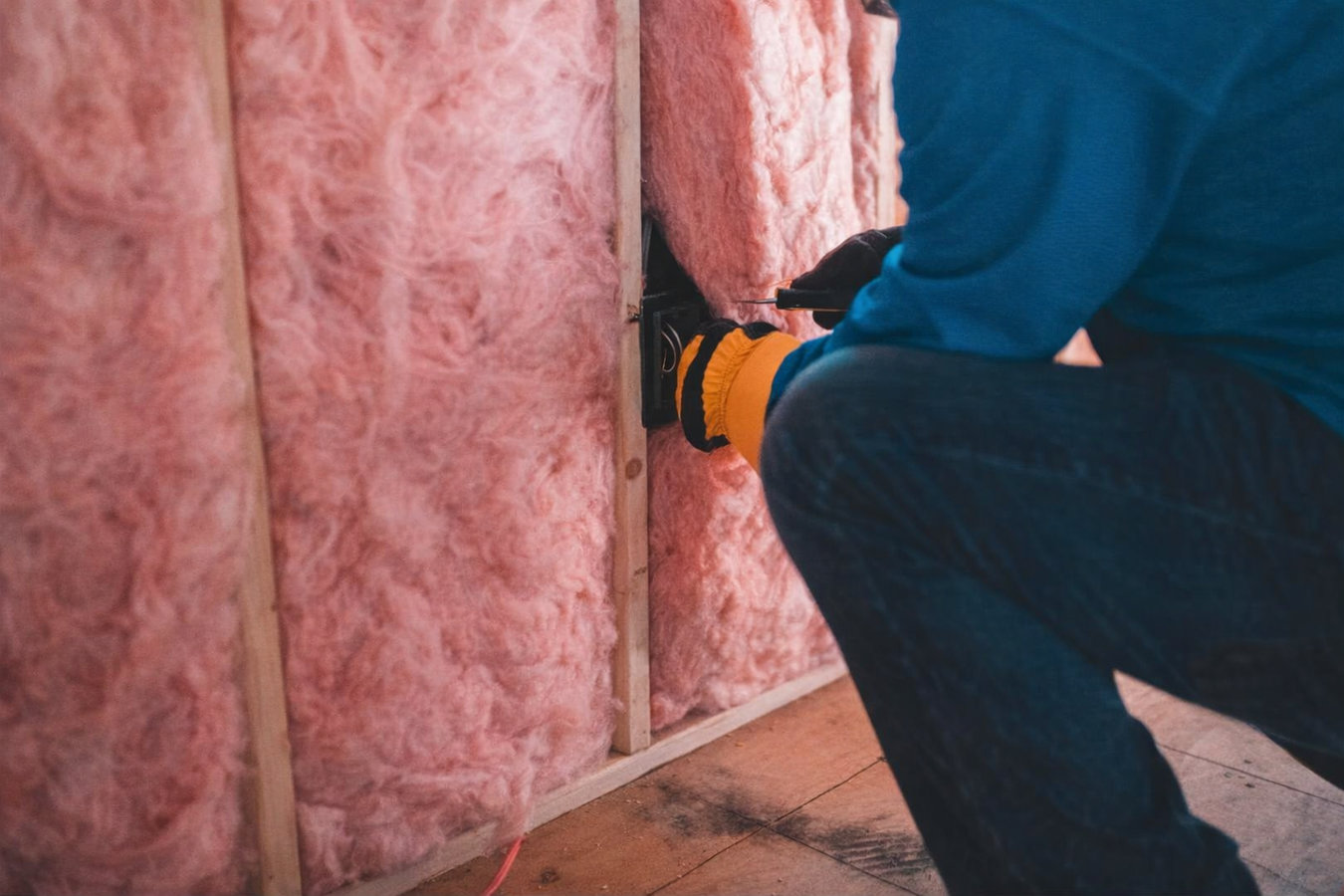
Wall insulation in Palmdale, CA slows the movement of heat through your exterior walls, reducing what your air conditioner has to overcome on every hot day - most jobs on a single-story home are completed in one day using blown-in or spray foam methods.
In the Antelope Valley, where summer highs regularly clear 100°F and winter nights can drop below freezing, walls without adequate insulation are a direct line between the outdoor temperature and your thermostat. The energy your system spends compensating for that shows up every month on your utility bill. Wall insulation breaks that cycle by creating a thermal barrier that stays in place whether it is 110°F in July or 28°F in January.
If your home was built in Palmdale during the 1980s or 1990s, the walls were insulated to the minimum code of that era, which is well below what is recommended today. Many homeowners combine wall insulation with air sealing services to address both heat transfer and air infiltration in the same project.
If your electricity bill climbs to $300, $400, or more during Palmdale's peak summer months and your air conditioner runs almost constantly, your walls may not be slowing the heat enough. A well-insulated home holds its temperature longer, so your system cycles less and your bills reflect that.
Walk through your home on a hot July afternoon and notice whether rooms on the west or south side feel significantly warmer than the rest. Uneven temperatures from room to room are a common sign that some walls have little or no insulation, especially in Palmdale homes built in the late 1980s and early 1990s.
Hold your hand near an electrical outlet or light switch on an outside wall on a windy day. If you feel a draft or a temperature difference, air is moving through your wall cavity. That means heat is moving too, and your insulation is not doing its job.
Homes built in Palmdale during the 1980s and 1990s were typically insulated to the minimum code of that era, which falls well short of what is recommended today. If you have owned your home for years and cannot remember any insulation work being done, a contractor assessment is worth scheduling.
The right method for your walls depends on whether they are open or closed. For existing walls where you do not want to tear out drywall, blown-in insulation is the standard approach. A crew drills small access holes - typically about the size of a golf ball - blows material into each cavity until it is fully packed, then patches and seals every hole. The disruption is minimal and most single-story homes are done in a single day.
For remodels with open walls or new construction, fiberglass batts and spray foam are both strong options. Spray foam provides a continuous thermal barrier and air seal in one step, which is why many Palmdale homeowners pair it with broader air sealing services when they have the walls open. If you are unsure which method fits your situation, we will assess your home and give you a clear recommendation before any work starts.
Many homeowners also discover during a wall assessment that their blown-in insulation needs to be added or topped off in adjacent areas - particularly attic floors that were missed or under-filled when the home was built. We cover the whole thermal envelope, not just the one area you originally called about.
Best for closed walls where you want insulation added without major demolition or interior disruption.
Ideal for walls exposed during a renovation or addition where a seamless air seal and high R-value are both priorities.
A reliable, cost-effective choice for open wall framing in new construction or full gut-renovations.
For homeowners who want to know exactly where their walls are underperforming before committing to a method.
Palmdale sits in the Antelope Valley high desert at about 2,700 feet elevation. Summer daytime temperatures regularly exceed 100°F, and winter nights can drop below freezing. That temperature range is far wider than what coastal Southern California homeowners deal with, and it puts your walls under constant thermal stress, season after season. California's building energy standards also place Palmdale in a climate zone that requires higher wall insulation performance than much of the state - meaning there is a genuine code basis for upgrading older homes.
The valley's persistent wind and dust add another reason to take wall insulation seriously. Gaps in wall cavities are entry points for fine desert particulates and wildfire smoke, both of which are regular concerns for Antelope Valley residents. Improving wall insulation and air sealing together reduces how much of that outdoor air finds its way into your living spaces. We work throughout the Palmdale area, including established neighborhoods near the city center and newer subdivisions in Lancaster and communities to the south in Santa Clarita.
California utility rebate programs can reduce your out-of-pocket cost when you upgrade wall insulation to current standards. The ENERGY STAR Seal and Insulate program provides guidance on what qualifies, and Southern California Edison and SoCalGas both serve the Palmdale area with rebate programs worth checking before your project starts.
We respond within 1 business day. We will ask your home's size, when it was built, and what prompted the call - whether it is high bills, hot rooms, or a remodel in progress. No pressure, just a useful first conversation.
We visit your home, check your existing wall insulation using a probe or thermal camera, and look for signs of air leaks or moisture. Most visits take 30 to 60 minutes, and you leave with a clear picture of what is in your walls and what is worth doing.
You receive a written quote covering the method, materials, access holes, patching, and cleanup. We explain what is included so there are no surprises on the invoice. Ask upfront whether painting the patches is included or left to you.
Most single-story homes are fully insulated in one day. The crew patches every access hole before leaving and cleans up the work area. We walk you through the completed work, and you can request photos of the filled cavities for confirmation.
Free estimate, no obligation. We visit your home, explain what your walls need, and give you a written quote before any work starts.
(661) 450-6647We have worked on homes across the Antelope Valley, from 1980s tract homes near the city center to newer builds out toward Avenue S. That range of experience means we recognize what each era of construction typically needs before we even open a wall.
Palmdale's 70-degree daily temperature swings are more demanding on insulation than what most of California deals with. We spec and install to the R-values that actually make a difference here, not just what meets the minimum code on paper.
Every job starts with an in-person assessment and a written quote. We do not give phone quotes without seeing the house, and we do not pressure you to sign the same day. You have time to compare, ask questions, and decide on your schedule.
Our crews install wall insulation across the Antelope Valley every week and know how Palmdale homes are built. You get a documented record of the work from start to finish, so you know exactly what went into your walls.
Wall insulation is not a glamorous project, but it is one that pays you back every month in lower bills and a more comfortable home. We take the assessment and the install seriously because the quality of both is what determines whether you actually feel the difference. Ask for references and photos of recent local jobs before hiring anyone for home improvement work, a step we always encourage.
Seal the gaps that let conditioned air out and desert heat in - air sealing works best when done alongside wall insulation.
Learn moreThe same blown-in method used in walls can top off attic floors and other hard-to-reach cavities throughout your home.
Learn moreScheduling fills up before the hottest months. Call today or submit an estimate request and we will respond within 1 business day.