Attic insulation
Pair spray foam with a full attic insulation upgrade to address both air leakage and R-value shortfalls in one project.
Learn moreServing Palmdale, CA and surrounding areas. (661) 450-6647
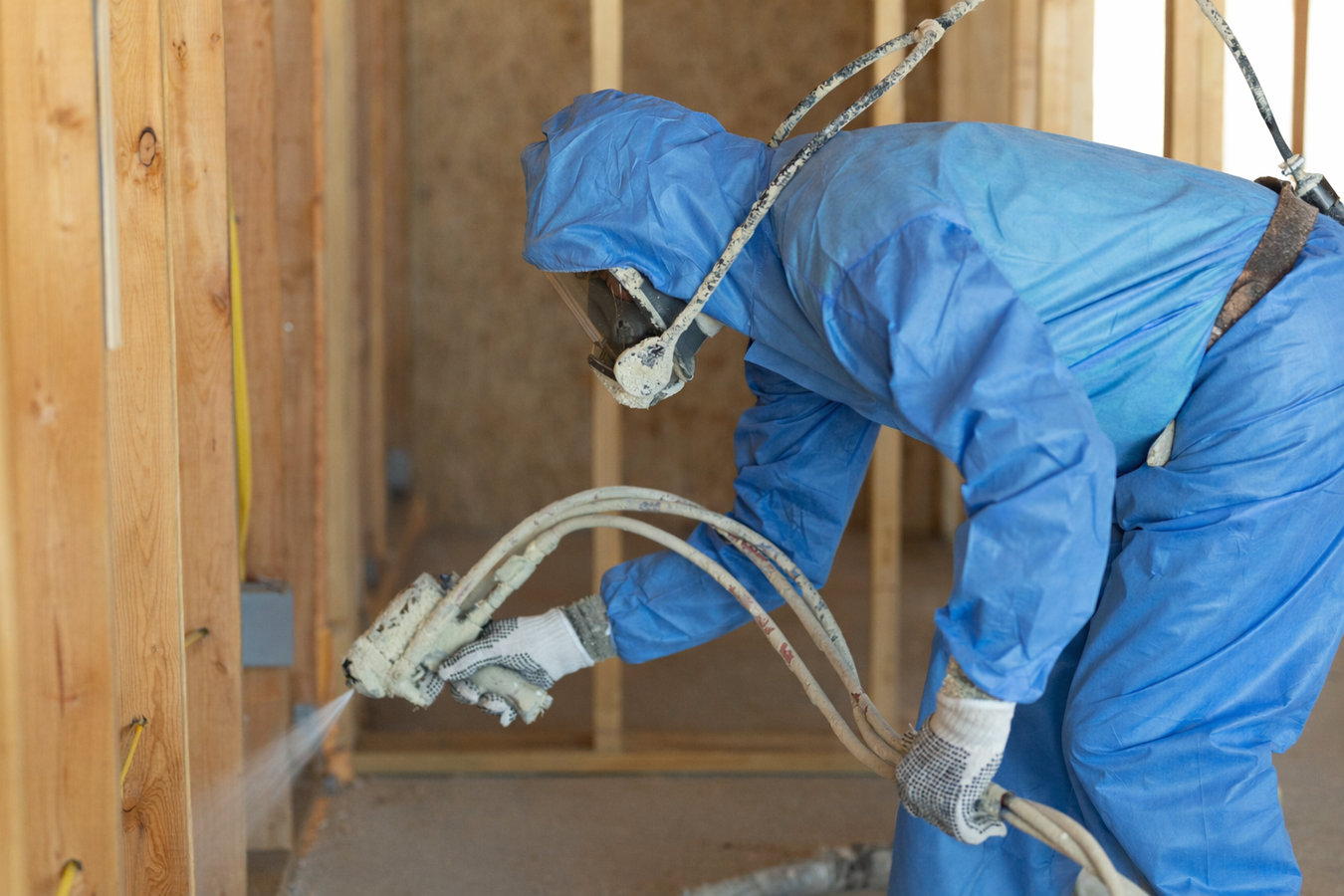
Palmdale summers push past 100°F. Spray foam seals every gap your AC is losing ground to, so your home holds temperature instead of fighting the heat all day.
Spray foam insulation in Palmdale, CA expands on contact to fill gaps, cracks, and cavities, creating a continuous thermal barrier and air seal in a single step. Most residential jobs take one to two days and cover attics, walls, or crawl spaces.
Unlike fiberglass batts that leave seams and gaps, spray foam bonds directly to framing and blocks the pathways where conditioned air escapes and hot desert air pushes in. For homes in the Antelope Valley, where daily temperature swings of 30 to 40 degrees are routine, that continuous seal is what separates a comfortable home from one that never quite catches up.
If your home already has insulation but your energy bills still climb every summer, the issue is often air leakage, not just R-value. Many Palmdale homeowners pair spray foam with attic insulation upgrades to address both problems at once.
If your system runs for hours on end but rooms never reach the thermostat setting on days above 100°F, conditioned air is escaping through gaps in the envelope. That is not an equipment problem - it is an insulation and air-sealing problem.
Palmdale's desert winds push fine particulates through any gap they can find. If you are dusting furniture every few days or notice grit near outlets and baseboards, outdoor air is getting in somewhere it should not be. Spray foam seals those entry points.
If the room above your garage bakes in July while the rest of the house feels fine, uneven or missing insulation is usually the reason. Spray foam applied to the garage ceiling or knee walls resolves those hot spots directly.
Palmdale's 1980s and early 1990s housing boom produced homes insulated to the standards of that era, which fall well short of today's requirements. If no insulation work has ever been done, there is a good chance significant gaps remain.
Palmdale Insulation installs both open-cell and closed-cell spray foam across a range of applications. Attics are the most common starting point - the heat gain through an uninsulated or under-insulated attic is the single largest driver of summer energy bills for most Antelope Valley homes. We also apply spray foam to garage ceilings, rim joists, crawl spaces, and exterior wall cavities during remodels.
For homes where moisture management matters as much as heat control - crawl spaces exposed to ground moisture, for example - we typically recommend closed-cell foam insulation, which provides a vapor barrier in addition to its thermal performance. Open-cell foam suits interior wall cavities and attic spaces where a softer, more flexible material is preferred at a lower cost per square foot.
Every spray foam job includes a walkthrough before we leave so you can see coverage, confirm thickness, and ask questions. We handle the cleanup and provide written documentation of the work completed.
Best suited for attic spaces and interior walls where flexibility and sound dampening matter as much as thermal performance.
Ideal for crawl spaces, rim joists, and any area where moisture resistance and maximum R-value per inch are the priority.
Covers rafters, knee walls, and hatch perimeters to stop heat from conducting through the roof assembly.
One of the most overlooked air-leakage points in older Palmdale homes, and one of the fastest paybacks in energy savings.
Palmdale sits in the high desert of the Antelope Valley at roughly 2,700 feet elevation. Summer daytime temperatures regularly exceed 100°F, and nights can drop 30 to 40 degrees from those afternoon highs. That thermal swing puts constant stress on whatever is standing between your HVAC system and the outdoors. Spray foam is the only insulation type that seals and insulates simultaneously, which is why it performs so well in this specific climate.
The valley's high-wind dust storms add another layer of urgency. Fine particulates find their way through gaps around electrical boxes, plumbing penetrations, and attic vents. After spray foam seals those pathways, homeowners consistently report less dust accumulation indoors - a tangible difference for families dealing with allergies or asthma. We serve neighborhoods across Palmdale and in nearby communities including Lancaster and Santa Clarita.
California's utility rebate programs - including those offered by Southern California Edison - can offset a portion of the project cost for qualifying upgrades. The SCE rebate program changes periodically, so it is worth asking about eligibility before you sign anything. Most Palmdale homes built before 2000 qualify for some level of rebate when insulation is upgraded to current standards.
We respond within 1 business day. The first conversation covers the area you want insulated, your home's age, and any prior insulation work. No pressure, just information.
We visit your home, inspect the attic, crawl space, or walls being treated, and measure the space. You will know what is there and what is needed before we leave, in plain terms.
You receive a written, itemized estimate before any work begins. We cover the type of foam, the coverage area, the total cost, and any utility rebates you may qualify for.
Most residential spray foam jobs complete in one day. We clean up before we leave and walk you through the finished work so you can see the coverage yourself before we go.
We respond within 1 business day. There is no obligation to hire after your estimate. Once you submit, someone from our office will call to schedule a free on-site assessment at a time that works for you.
(661) 450-6647Every project starts with a free written estimate and ends with a documented record of what we installed. You know exactly what went in before work begins.
We have worked on homes across Palmdale, Lancaster, and the surrounding desert communities. We know what this climate does to insulation and what products hold up here.
You receive an itemized written estimate before we touch anything. No verbal quotes, no surprise line items. The number you agree to is the number you pay.
We know which Southern California Edison rebate programs are currently active for Palmdale residents and walk you through eligibility before your project starts.
Those four points come down to one thing: you know what you are getting before anything is signed, and the work is done by a team that understands the Antelope Valley's specific demands. The Spray Polyurethane Foam Alliance sets the industry standards for quality installation - and those are the standards we hold our work to.
Pair spray foam with a full attic insulation upgrade to address both air leakage and R-value shortfalls in one project.
Learn moreThe denser, moisture-resistant option for crawl spaces, rim joists, and any area where water vapor is a concern.
Learn moreCall today for a free on-site estimate - most Palmdale homes can be assessed and scheduled within the same week.