Loading...
Serving Palmdale, CA and surrounding areas(661) 450-6647
Palmdale Insulation serves Acton, CA with crawl space insulation, attic upgrades, and air sealing for the community's large-lot rural homes in and around Soledad Canyon. 4+ years working rural properties in northern Los Angeles County means our crews understand the cold canyon nights, the non-standard footprints on multi-acre parcels, and the specific insulation challenges that come with older ranch-style construction. We reply within one business day and provide written estimates at no charge.
Acton is an unincorporated census-designated place in northern Los Angeles County, tucked between the Sierra Pelona Mountains and the San Gabriel Mountains in Soledad Canyon along the Santa Clara River. Its 2020 census population was 7,431, spread across 2,821 housing units at a density of just 189 people per square mile. The community was founded in 1887 by gold miners working the Red Rover Mine, and its rural character reflects those origins: large parcels, equestrian properties, guest ranches, and roads that wind between canyon walls rather than through subdivisions.
Most residents commute to the San Fernando Valley or greater Los Angeles via California State Route 14, which runs through the canyon. The median household income sits around $110,000, reflecting a community of working homeowners who invest in their properties. Bloom Ranch — a 250-acre working ranch with a stone house built in 1916 — is among the area's best-known landmarks, anchoring Acton's long agricultural and ranching history.
Because Acton has no city government, permit and code questions go to Los Angeles County rather than a local building department — the same county offices that govern neighboring Agua Dulce, which shares Acton's rural, equestrian character.
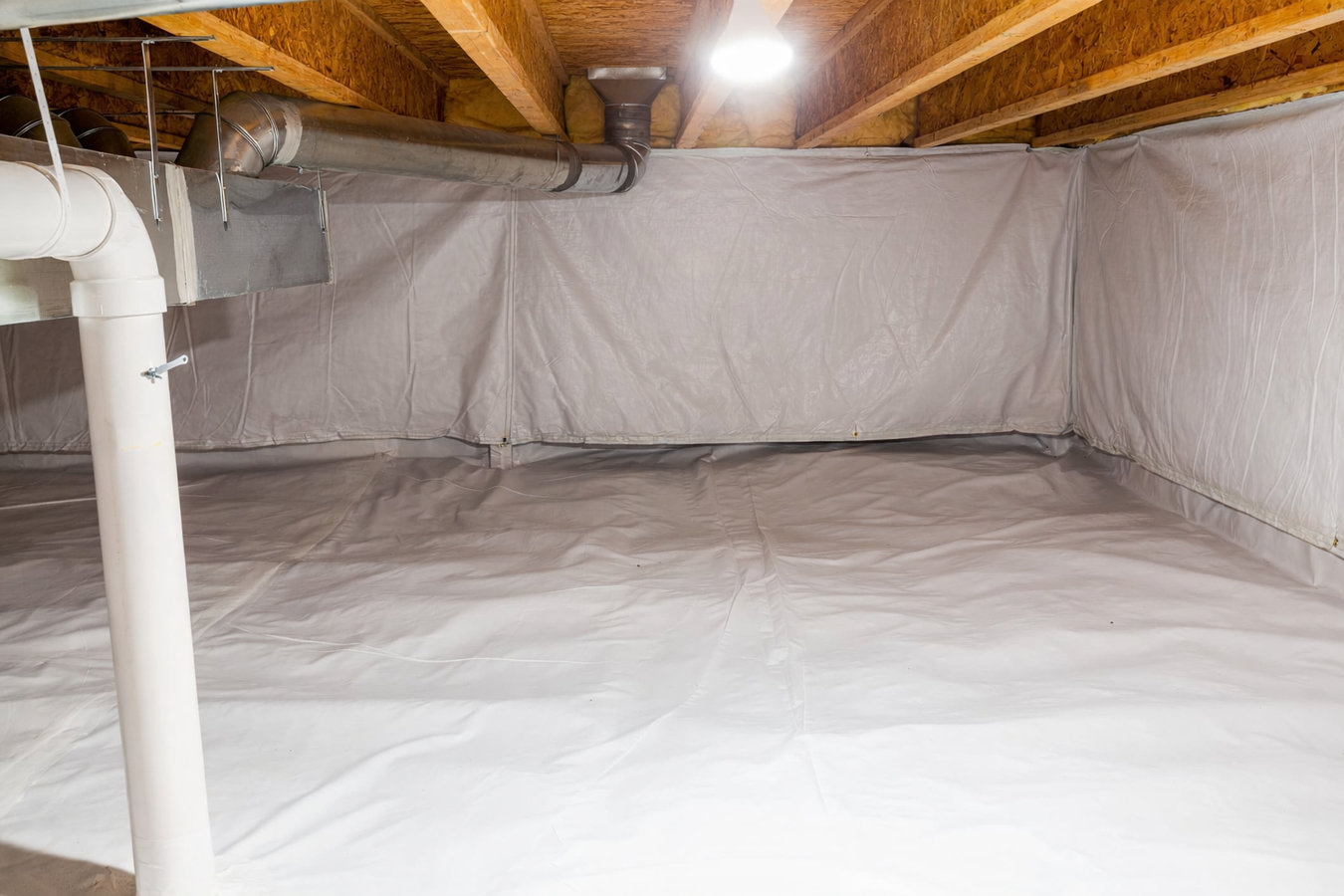
Soledad Canyon elevations between 2,200 and 2,800 feet produce overnight winter temperatures that regularly fall below freezing. Many Acton homes sit on raised foundations where the entire floor assembly is exposed to that cold air — and an uninsulated crawl space makes the floor above it feel like standing on ice by January. Insulating the floor joists or conditioning the crawl space with spray foam at the foundation walls solves the problem directly.
Homes built in and around Soledad Canyon in the 1970s and 1980s were often constructed with attic insulation at R-11 to R-19 under building codes that predate current California energy requirements. Acton's elevation means both summer heat and winter cold work against an under-insulated attic harder than in lower-valley communities. An attic inspection almost always reveals a depth shortfall or compressed batts that are performing below their original rating.
Canyon terrain channels wind, and Soledad Canyon is no exception. The pressure differential between outside air and conditioned living space drives unconditioned air through every gap at the ceiling plane — around recessed lights, top plates, and penetrations. Sealing those gaps before adding attic insulation is what turns an incremental improvement into a real reduction in both energy bills and indoor dust levels.
Properties near the Santa Clara River and creek bottoms in Soledad Canyon can have higher-than-expected soil moisture under the foundation, even in a dry climate. A ground-level vapor barrier in the crawl space stops that moisture from migrating upward into wood framing and insulation — an issue that becomes visible only after the damage is done.
Many Acton attics have irregular shapes that follow the rooflines of custom or semi-custom ranch homes rather than standard tract dimensions. Blown-in cellulose or fiberglass fills those irregular spaces uniformly — covering obstructions, framing variations, and difficult corners — without requiring demolition or access to wall cavities.
Acton and Agua Dulce share the same canyon geography and rural character. Our Agua Dulce service area page covers the specific housing stock, permit process, and local climate details for properties in that adjacent community — both are served from the same crew base.
Acton sits at elevations between 2,200 and 2,800 feet above sea level in Soledad Canyon. That elevation means temperature swings here are more severe than in Palmdale or Lancaster on the valley floor. Summer afternoons can reach the upper 90s to low 100s, and winter nights regularly drop below freezing — sometimes well below. A home that is under-insulated at this elevation is fighting both extremes harder than neighbors at lower elevations with the same insulation depth.
The housing stock compounds the challenge. Acton's large-lot development pattern means homes were often built with custom layouts, unusual attic configurations, and non-standard crawl space geometries. Insulation work here requires a site visit and accurate measurements — estimates from comparable square footage in tract neighborhoods do not translate reliably to canyon properties. Homes near creek bottoms also carry a moisture risk in the crawl space that flat-valley properties rarely face.
Because Acton is governed by Los Angeles County rather than a city, residents do not have a local building department to walk into with questions. The county's permitting process for residential energy improvements runs through the LA County Department of Regional Planning and Building and Safety, which requires contractors with county-specific experience. Most of the Acton insulation work we do does not require a permit, but when it does, familiarity with the county process matters.
We pull permits through the LA County Building and Safety regional office rather than a city building department, which is the reality for all unincorporated communities in this part of the county — Acton, Agua Dulce, Lake Los Angeles, and others. That county-specific workflow is familiar territory for our crews, and it avoids the delays that come when a contractor submits the wrong forms to the wrong jurisdiction.
Acton properties sit along State Route 14 between the Newhall Pass and the Antelope Valley, with Soledad Canyon Road as the main local artery. Properties off the canyon road often involve access on steep, unpaved driveways that require vehicle clearance planning before a job day — something we confirm during the estimate visit rather than on the morning of installation. The Pacific Crest Trail passes through Vasquez Rocks just minutes from Acton's residential areas, which gives some sense of the terrain our crews navigate routinely in this corridor.
We also serve the communities of Quartz Hill and Rosamond to the north — both in the Antelope Valley but with very different housing profiles from Acton's canyon properties.
Reach us by phone or through the estimate form. We reply within one business day and gather basic details about your home, the specific issue you are dealing with, and your property access before scheduling anything.
We visit your Acton property to measure the attic, crawl space, or wall areas and assess existing insulation depth and condition. The written estimate we provide is itemized with no-obligation pricing — there is no cost to have us measure and give you a number.
Most Acton projects are completed in a single day. You do not need to be present during the work, though we confirm access to the crawl space hatch or attic access point in advance. For canyon properties with gated driveways or difficult vehicle access, we confirm those details at the estimate visit.
When the job is done, we walk through what was completed and provide documentation of installed R-values, materials used, and any permit paperwork if applicable. For California Energy Commission rebate applications, we can supply the installation records you need.
We reply within one business day. The estimate is free, written, and itemized — no pressure to commit. If you have questions about your specific property in Soledad Canyon or the county permit process, we are glad to answer them before you schedule anything.
(661) 450-6647Spray foam creates an air-tight thermal barrier that stops heat transfer and air infiltration in walls, attics, and crawl spaces.
Learn moreProper attic insulation reduces heat gain in summer and heat loss in winter, easing the load on your HVAC system year-round.
Learn moreBlown-in insulation fills irregular cavities and hard-to-reach spaces with a seamless layer of thermal protection.
Learn moreWhole-home insulation assessments and installations address every zone of heat loss to improve comfort and lower utility bills.
Learn moreOld, damaged, or contaminated insulation is safely extracted before new material is installed for maximum performance.
Learn moreInsulating the crawl space floor and rim joists keeps floors warmer, reduces moisture intrusion, and cuts energy costs.
Learn moreRetrofit and new-construction wall insulation controls heat flow and reduces noise transmission between interior spaces.
Learn moreAir sealing closes gaps, cracks, and penetrations that allow conditioned air to escape and outside air to enter your home.
Learn moreInsulating basement walls and rim joists prevents cold floors above and protects pipes from temperature extremes.
Learn moreClosed-cell spray foam delivers the highest R-value per inch and acts as both an air barrier and a vapor retarder.
Learn moreOpen-cell spray foam is a cost-effective choice for interior walls and attics where a vapor-permeable barrier is preferred.
Learn moreSealing attic bypasses before adding insulation prevents warm air from rising into the attic and greatly reduces energy waste.
Learn moreA heavy-duty vapor barrier on crawl space floors blocks ground moisture from entering the structure and damaging insulation.
Learn moreVapor barrier installation in walls and floors controls moisture movement to prevent mold growth and insulation degradation.
Learn moreRetrofit insulation upgrades existing homes with modern materials without the need for extensive demolition or reconstruction.
Learn moreCommercial insulation services cover warehouses, office buildings, and industrial facilities to meet code and reduce operating costs.
Learn moreServing these cities and communities.
Canyon homes have specific insulation needs — get a written estimate from a contractor who has measured and worked in Soledad Canyon properties before.