Basement Insulation
Insulating and sealing your basement or subfloor reduces floor-level drafts and completes the thermal envelope air sealing starts.
Learn moreServing Palmdale, CA and surrounding areas. (661) 450-6647
Your insulation can only do so much when hot desert air is streaming in through hidden gaps. Air sealing closes those entry points so your home can actually hold the temperature you set.
Air sealing services in Palmdale, CA locate and close the small gaps, cracks, and penetrations where outdoor air gets in and conditioned air leaks out - most homes are finished in one to two days with no disruption to your daily routine.
Insulation slows heat transfer, but it cannot stop air from moving through gaps. In the Antelope Valley, where summer temperatures regularly exceed 100°F and seasonal winds carry fine desert dust, those gaps let in both heat and particulates regardless of how much insulation your home has. Air sealing closes those pathways directly, so your HVAC system is not constantly compensating for outdoor air that should never have gotten in.
The biggest leaks in most Palmdale homes are not around windows and doors - they are in the attic floor, around recessed lights, and wherever plumbing and wiring pass through ceilings. Many homeowners pair air sealing with attic air sealing to address both the attic and the rest of the home in the same visit.
If your electricity bill climbs sharply from June through September and feels disproportionate to how much you are running the AC, air leakage is often a major factor. In Palmdale's triple-digit summers, a leaky home forces your system to run almost continuously just to keep up. If bills have been trending higher year over year without explanation, an assessment is worth scheduling.
Palmdale's high desert environment means wind-driven dust is a constant presence. If you are wiping surfaces every few days and still finding a gritty film, that dust is coming in through gaps somewhere. Air sealing addresses the entry points directly and keeps your home cleaner between cleanings.
If your living room feels comfortable but a bedroom is always too hot in summer or too cold in winter, that room likely has more air leakage than the rest of the house. Uneven temperatures are one of the most common complaints from homeowners and almost always point to conditioned air escaping while outside air gets in.
If you can smell wildfire smoke, exhaust, or desert air inside your home during Santa Ana wind events or fire season, your home's air barrier has meaningful gaps. This is both a comfort issue and a health concern, and it has become more pressing for Palmdale homeowners as regional fire seasons have intensified.
Our air sealing work starts with a diagnostic assessment that measures how leaky your home is overall and identifies where the biggest problems are. This matters because the most significant leaks in most homes are not where you would guess - they are at the attic floor, around recessed light canisters, and at plumbing and wiring penetrations through ceilings and top plates. A contractor who skips this step and goes straight to caulking windows is working on the wrong problem.
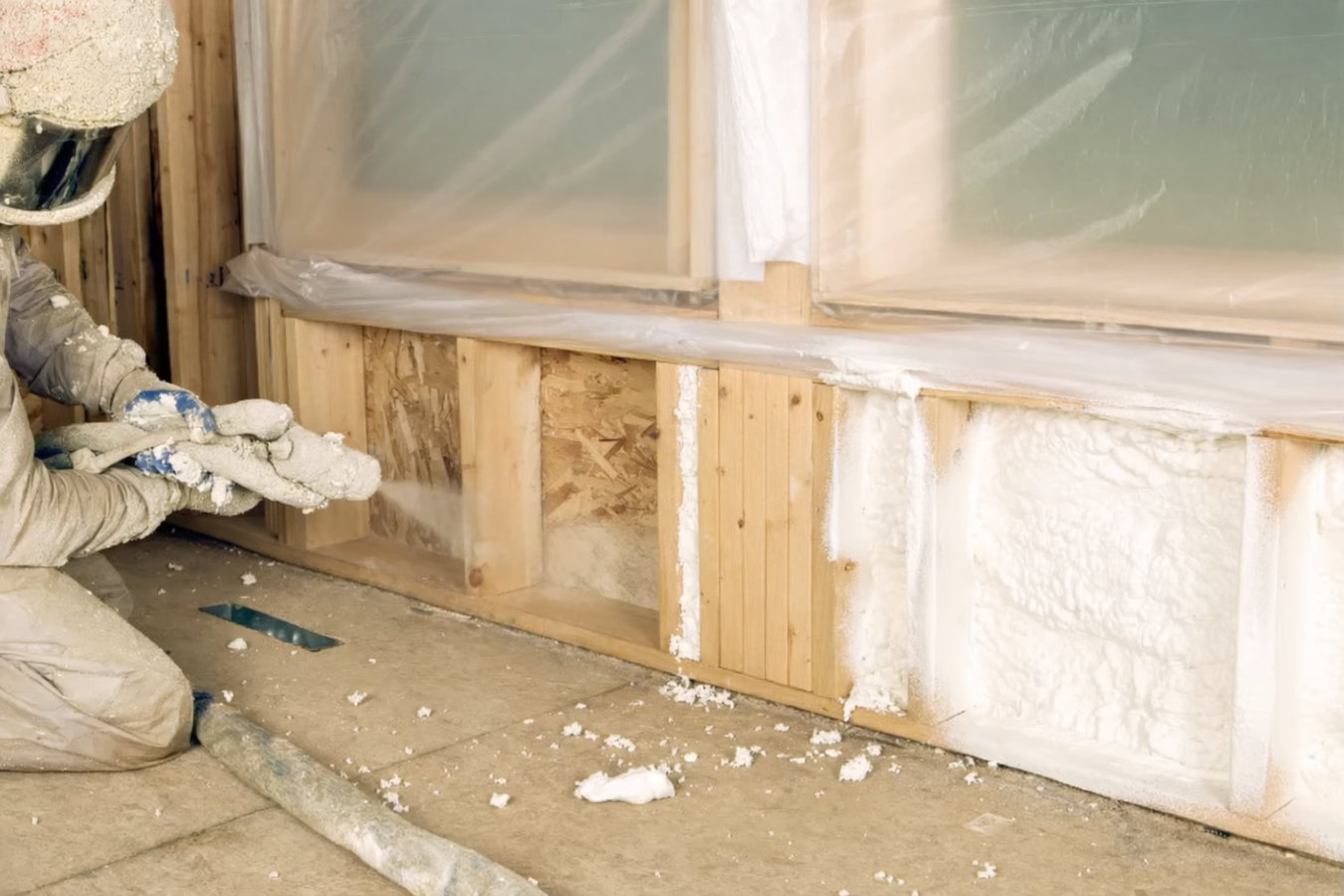
For attic work, we use expanding spray foam and specialized caulk to seal penetrations and gaps at the top of wall cavities. This is typically the highest-impact area in older Palmdale homes. We also address basement insulation and floor-level leakage when those areas contribute to the problem, and we coordinate with your attic air sealing so the full thermal envelope is addressed in a single project.
After the work is complete, we run the same diagnostic test again so you can see the measured improvement. You should not have to take our word for it - the numbers should confirm what was done.
For homes with significant leakage throughout, covering the attic floor, walls, and floor-level penetrations in one comprehensive project.
Targets the most impactful leakage points in most Palmdale homes: the boundary between the living space and unconditioned attic.
Old recessed light canisters are one of the largest sources of air leakage in 1980s and 1990s homes - sealing them is high-impact and fast.
Measuring home leakage before and after gives you a verifiable result, not just a promise that the work was done right.
Air leakage costs Palmdale homeowners more than it costs most of Southern California because the gap between indoor and outdoor temperatures here is so wide for so long. When summer temperatures run above 100°F for weeks on end and winter nights drop below freezing, every gap in your home's envelope is actively working against your heating and cooling system. California's building energy standards acknowledge this by placing Palmdale in a higher-performance climate zone than the coast, which is why homes upgraded to current standards see meaningful reductions in energy use.
The Antelope Valley's persistent winds add a secondary reason to take air sealing seriously. Fine desert dust and seasonal wildfire smoke find their way through the same gaps that let conditioned air out. Homeowners in Palmdale who seal their homes consistently report less dust accumulation indoors and better air quality during smoke events - outcomes that matter beyond just the energy bill. We work throughout the Palmdale area and nearby communities, including Lancaster and Victorville.
If you are wondering about rebate eligibility, California's Energy Upgrade California program connects homeowners with qualified contractors and available incentives. Southern California Edison and SoCalGas both serve Palmdale and have offered rebates for qualifying air sealing work - it is worth confirming current availability before your project starts.
We respond within 1 business day. We will ask about your home's age, size, and what you have been noticing - high bills, dusty rooms, uneven temperatures. This helps us come prepared with the right equipment and a realistic sense of what the job involves.
We measure how leaky your home is using a diagnostic test that identifies exactly where the biggest problems are. You will see data, not just a contractor's opinion - and you will know what needs to be done and why before we discuss any pricing.
You receive a written estimate covering the full scope of work. We also walk you through any rebates available through SoCalGas or Southern California Edison so you know your total out-of-pocket cost upfront. Take time to compare before committing.
Most jobs are done in one to two days. The crew focuses on the attic and high-impact penetrations, cleans up before leaving, and runs the diagnostic test again so you have measurable proof of the improvement. Your home is fully usable immediately after.
Free estimate, no commitment. We test your home, show you where the leaks are, and give you a written quote before any work starts.
(661) 450-6647The most common frustration homeowners have after a home improvement project is not knowing whether it worked. We run a diagnostic measurement before we start so you have a baseline, then again after so you can see the exact improvement. The numbers are yours to keep.
We have worked on homes across Palmdale and the surrounding area, from older tract homes near the city center to newer builds out on the edges of the valley. We know what the 1980s and 1990s construction here typically looks like on the inside, and we come prepared for it.
Every estimate is written down and covers everything - the scope, the materials, and whether rebate paperwork is included. We do not adjust numbers after the work starts. If we find something unexpected during the job, we tell you immediately and discuss options before proceeding.
Our own trained crews handle every air sealing job across the Antelope Valley. They know how Palmdale homes are built, and you get a documented record of the work from start to finish.
Air sealing is not visible when it is done well, which is exactly why you want a contractor who measures the results rather than just telling you it went fine. The Building Performance Institute sets the standard for diagnostic testing and air sealing quality - certified contractors are evaluated on whether they understand how a home performs as a system, not just how to apply foam and caulk. Ask any contractor you are considering whether they use diagnostic testing as part of their process.
Insulating and sealing your basement or subfloor reduces floor-level drafts and completes the thermal envelope air sealing starts.
Learn moreA dedicated attic air sealing service targeting the top-plate gaps and recessed light canisters that drive the most leakage in older Palmdale homes.
Learn moreDemand fills fast before the peak cooling season. Call today or request an estimate and we will respond within 1 business day.