Wall Insulation
Complete your home's thermal envelope by adding wall insulation alongside your crawl space work.
Learn moreServing Palmdale, CA and surrounding areas. (661) 450-6647
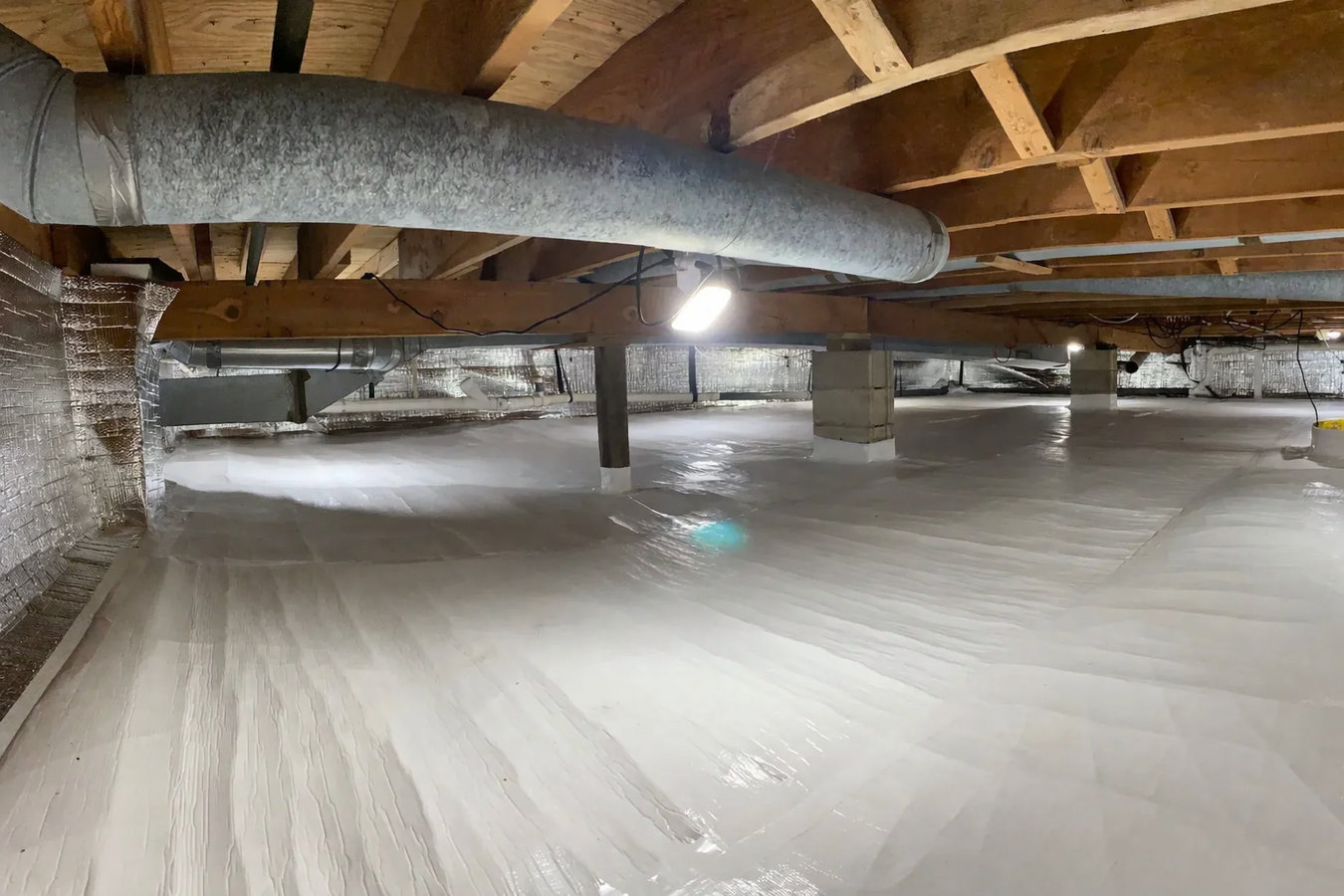
An uninsulated crawl space costs you money every month and lets Antelope Valley dust into your home. We fix both problems in a single day.
Crawl space insulation in Palmdale acts as a thermal barrier between the ground beneath your home and the living areas above it - most installations are completed in a single day and deliver noticeable results within the first full billing cycle.
Without it, your floors feel cold on winter mornings, your air conditioner struggles on summer afternoons, and fine desert dust finds its way into your living areas through every gap in an unsealed crawl space. Palmdale's extreme temperature swings - 100-degree summer days followed by overnight lows in the 30s during winter - make this one of the most impactful upgrades you can make to a home here.
Many homeowners pair crawl space insulation with a crawl space vapor barrier to address both thermal performance and moisture control in one project. If your home also needs wall insulation, we can assess both areas during the same visit and build a plan that covers your whole home.
If you walk across your kitchen or living room floor on a January morning and it feels noticeably cold despite the heat running, the crawl space below is likely letting cold through. Palmdale winter nights regularly drop into the 30s, and an uninsulated crawl space transfers that cold directly to your floors. The problem does not fix itself when spring arrives.
If your gas or electric bills have been rising without obvious cause - same appliances, same habits - a failing crawl space is one of the first places to look. Insulation that has sagged, gotten wet, or been disturbed by pests loses its ability to hold heat in or out, forcing your HVAC system to run longer to compensate.
Palmdale's high-wind days push fine particles into any unsealed crawl space opening, and that air eventually finds its way into your living areas. A persistent dusty or stale smell that gets worse after windy days often means your crawl space is acting as an unfiltered air intake. Proper sealing closes those entry points.
If you open your crawl space access hatch and see daylight through foundation vent gaps, insulation hanging in clumps, or torn ground sheeting, those are clear signs the space needs attention. Palmdale's clay soils can shift enough over time to open new gaps that did not exist when the home was built.
We offer two main approaches to crawl space insulation, and which one is right for your home depends on how your crawl space is currently set up. Before we recommend anything, we inspect the space, check for moisture, assess the existing material, and confirm whether your crawl space is vented or sealed. A lot of contractors skip that step - we do not.
Floor joist insulation involves installing insulation on the underside of your floor joists, creating a thermal barrier between the crawl space air and your living areas. This is a common solution for vented crawl spaces and works well when the space itself is in good condition. Encapsulation goes further by sealing the crawl space walls, floor, and vents to create a controlled environment, then insulating the conditioned space. In Palmdale, where outside air is hot, dusty, and sometimes carrying moisture from rain events, encapsulation often delivers better long-term results.
Many homeowners in the Antelope Valley benefit from pairing insulation with a crawl space vapor barrier on the ground below, which controls moisture from the soil. If significant pest damage or old material is present, we often recommend starting with removal before the new installation begins. After crawl space work, some homeowners also add wall insulation to complete the thermal envelope of their home.
Well-suited for vented crawl spaces in good condition where the priority is a thermal layer above the crawl space air.
Best for homes where outside air quality, moisture, or dust is a concern - seals the full crawl space environment.
Added to the crawl space floor to prevent ground moisture from wicking up into insulation or structural framing.
Installed after old or contaminated material is removed, giving you a clean start with properly rated, full-coverage material.
Palmdale sits at roughly 2,700 feet in the Antelope Valley, and the climate here is genuinely demanding on homes. Summer days regularly hit 100 degrees or more, and winter nights drop into the 30s - sometimes below freezing. That swing of 60 to 70 degrees within a single day puts your home's thermal envelope under constant stress from both directions. An uninsulated crawl space is a direct path for that heat and cold to reach your floors, and your HVAC system pays the price all year long.
The Antelope Valley also deals with high-wind events and dust storms that push fine particulate matter into any unsealed opening. An uninsulated, unsealed crawl space becomes an air intake that pulls outdoor dust directly into your home. Homeowners in Lancaster and Apple Valley deal with the same conditions and the same crawl space challenges as Palmdale homeowners. The high desert climate does not give you a pass if you delay this work.
Many of Palmdale's established neighborhoods have homes built during the 1970s through the 1990s, and the crawl space insulation in those homes often falls well short of current standards - if it is still functional at all. California sets specific minimum insulation requirements through its building energy code, and any permitted renovation must meet those standards. Homeowners near Victorville and throughout the broader high desert face similar code requirements and aging housing stock. ENERGY STAR recommends sealing and insulating crawl spaces as one of the most effective home efficiency upgrades available.
We respond within 1 business day. You will be asked a few quick questions about your home's age, whether you have noticed any specific problems, and whether your crawl space is vented or sealed - so we arrive prepared.
We physically inspect the crawl space, check for moisture and pest damage, review the existing insulation and ground sheeting, and walk you through what we found. You get a written estimate with no pressure to decide on the spot.
If the scope of work requires a permit from the City of Palmdale, we handle that before work starts. Permit timelines are typically short for straightforward insulation work, and we give you a realistic start date once everything is in order.
Most jobs are completed in a single day. Before leaving, we walk you through what was installed and where, and point out anything worth watching in the months ahead. You leave with a clear record of the work completed.
We respond within 1 business day. No obligation after the estimate - you will receive a written quote and a plain-language explanation of what we found and what we recommend. After you submit, someone from our office calls to schedule your free on-site visit.
(661) 450-6647We install crawl space insulation in homes that deal with 100-degree summers and freezing winter nights. Our recommendations account for the specific thermal demands of the Palmdale high desert - not what works in a mild coastal city.
A crawl space that is properly insulated and sealed stops functioning as an air intake for fine desert particulate. Homeowners who have had this work done consistently report less dust settling inside after windy days - a real quality-of-life improvement in this area.
Every project we complete meets California's current building energy standards. If a permit is required, we pull it and schedule the inspection. You get documentation of the completed work, which matters when you refinance or sell.
We cover all of Palmdale and serve 11 other cities across Los Angeles, San Bernardino, and Ventura counties. If your home is in the Antelope Valley or anywhere in our service area, we know what local conditions to expect before we ever pull into your driveway.
Crawl space work is not visible from the street, but it has a direct effect on how comfortable and affordable your home is to live in every day. We treat it with the same attention we give any other part of the job. The U.S. Environmental Protection Agency recommends controlling crawl space moisture alongside insulation to prevent mold growth and protect indoor air quality.
Complete your home's thermal envelope by adding wall insulation alongside your crawl space work.
Learn moreA vapor barrier installed on the crawl space floor works with insulation to control moisture and protect structural materials.
Learn moreEvery Palmdale summer without crawl space insulation is another season of preventable energy loss - contact us now for a free assessment and written estimate.