Retrofit Insulation
After your vapor barrier is in place, retrofit insulation upgrades your wall or attic assemblies to meet current California energy standards.
Learn moreServing Palmdale, CA and surrounding areas. (661) 450-6647
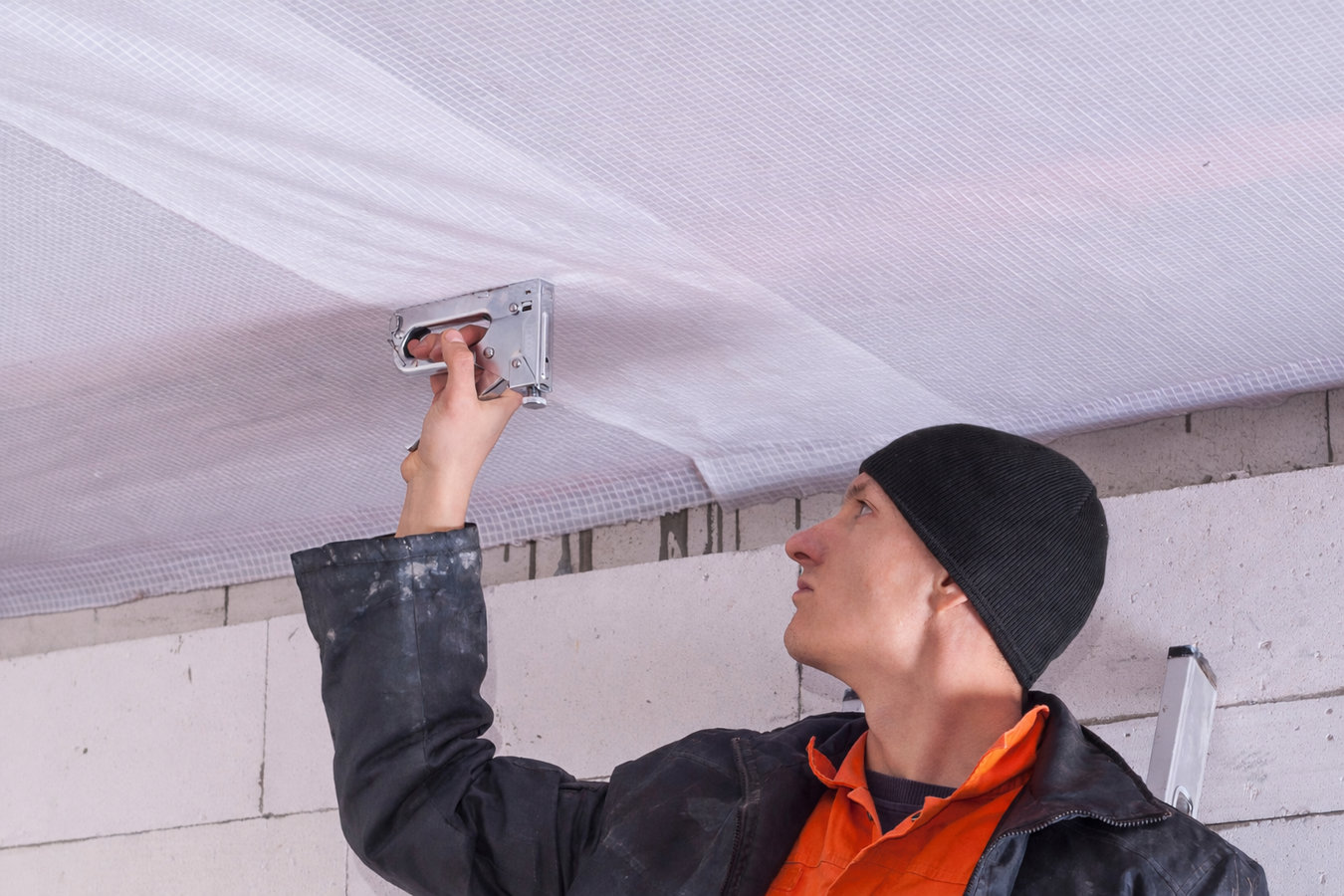
Palmdale's clay soils and winter rains push moisture into homes that are not properly protected. A correctly installed vapor barrier stops it before it reaches your framing, insulation, or floors.
Vapor barrier installation in Palmdale covers the placement of thick plastic sheeting across exposed soil and crawl space surfaces to block moisture from moving into your home's structure - most standard crawl space jobs are completed in a single day with no need for you to vacate the home.
Palmdale sits at roughly 2,600 feet in the high desert, and many homeowners assume dry air means no moisture risk. The reality is that the clay-heavy soils throughout the Antelope Valley hold water for weeks after winter rain, and that moisture has nowhere to go except up. Homes built during the 1980s and 1990s growth boom - the bulk of Palmdale's housing stock - often have original barriers that are degraded, torn, or missing entirely.
Vapor barrier work is frequently paired with a focused crawl space vapor barrier installation when the primary concern is below-floor moisture. If your home also needs updated insulation, we can assess both during the same visit and help you prioritize which to address first.
A subtle bounce when you walk across a wood floor - especially near the center of a room or along a hallway - can be an early sign that moisture has been working on the wood framing beneath your feet. In Palmdale homes built in the 1980s and 1990s, this is sometimes the first visible clue that the original vapor barrier has failed or was never installed properly.
A damp, earthy odor that gets noticeably worse after Palmdale's winter rains is a strong signal that moisture is getting into your crawl space. The smell is caused by mold or mildew growing on damp wood or soil and tends to travel up through gaps in the floor. If the smell fades in dry summer months and returns each winter, the source is almost certainly below the floor.
If you or a contractor has looked into your crawl space and noticed water droplets forming on metal pipes or ductwork, that is direct evidence that moisture from the soil is evaporating and collecting on cooler surfaces. This is especially common in Palmdale during cold months, when the temperature difference between the ground and the air above it causes condensation. Left alone, this moisture will eventually reach the wood.
When moisture gets into a crawl space, it can reduce the effectiveness of any insulation nearby, making your heating and cooling system work harder. In Palmdale, where summer temperatures regularly exceed 100 degrees and winters can dip below freezing, a compromised crawl space can quietly add to your utility costs month after month. If your bills have risen and you have not changed your habits, the crawl space is worth checking.
The most common application we handle in Palmdale is crawl space floor installation - rolling heavy-duty polyethylene sheeting across the entire soil surface, overlapping seams by several inches, taping every joint, and running the material up the foundation walls at the perimeter. We do not use thin material that tears quickly. A quality installation uses sheeting thick enough to withstand foot traffic and to resist the bumps and shifts that happen in a crawl space over years.
Below-slab installation is another option for homes undergoing additions or slab-on-grade work, where the barrier is placed on the soil before concrete is poured. Wall assembly barriers are sometimes needed during remodels in older Palmdale homes where the exterior walls lack adequate moisture protection for the climate. In every application, the standard we hold ourselves to is the same: no gaps, no bare soil showing, and every seam properly sealed. After the work is complete, we walk you through what was done - in photos or in person - so you know the job was finished correctly. For a focused crawl space approach, our dedicated crawl space vapor barrier service covers the same installation process with detailed attention to that specific space.
Many homeowners in the Antelope Valley find that vapor barrier work is a natural first step before other improvements, including retrofit insulation upgrades, because a moisture-controlled crawl space allows new insulation to perform as intended rather than absorbing ground moisture over time.
The most common application - full coverage of exposed soil with heavy-duty sheeting, taped seams, and perimeter wall coverage.
For homes with degraded original material from the 1980s or 1990s that needs removal before new sheeting is installed.
Placed on soil before a concrete pour during additions or slab-on-grade construction projects.
Added to exterior wall assemblies during remodels in older homes where wall moisture protection does not meet current standards.
Palmdale's clay-heavy soils absorb water during winter rains and release it slowly for weeks, meaning the ground beneath your home stays damp long after the weather clears. Overnight temperatures below freezing are common from November through February, and that temperature difference between cold ground and warmer crawl space air creates condensation on any surface the moisture can reach. A quality vapor barrier installation interrupts that cycle before it has a chance to reach your framing or insulation.
Scheduling vapor barrier work in late spring, after winter rains have passed and the soil has had time to dry, is generally the best approach in Palmdale. The California Energy Commission's Title 24 building energy standards include moisture management requirements for crawl spaces, and any permitted remodel or addition involving crawl space work must meet those standards. Homeowners in Lancaster and Hesperia deal with the same clay soil conditions and seasonal moisture patterns as Palmdale, and the same installation standards apply throughout the region.
Many of Palmdale's homes were built quickly during the 1980s and 1990s tract development era, and original vapor barriers from that period often used thinner material that has since deteriorated. Homeowners in Apple Valley and other nearby high desert communities face the same aging housing stock and the same reasons to inspect before problems become costly repairs.
We ask a few basic questions - the size of your home, whether you have a crawl space or slab foundation, and whether you have noticed any specific problems like soft floors or musty smells. Most inquiries get a response within one business day, and an on-site visit is typically scheduled within a few days.
A contractor visits your home, enters the crawl space, and inspects the size, soil condition, access clearance, and any existing barrier material. This visit is free and typically takes 30 to 60 minutes. We explain what we find in plain terms before asking you to commit to anything.
Your estimate covers materials and labor, specifies the material thickness, and notes whether any prep work - such as removing old sheeting or clearing debris - is included. That level of detail lets you compare quotes accurately. Prepare your home by clearing access to the crawl space entry before the crew arrives.
The crew cleans the crawl space, rolls out and overlaps the new barrier across the full floor, tapes every seam, and runs the material up the foundation walls. Once finished, we show you the completed work - in photos or in person - so you can confirm coverage before we leave and before any payment is finalized.
Free estimate. No pressure. We tell you what we find and what it will cost before you decide anything.
(661) 450-6647Our crews install vapor barriers across the Antelope Valley every week, so they know how Palmdale's clay soil and moisture behave. You get a free written estimate up front and a documented record of the work when the job is done.
The clay soils and seasonal moisture patterns in the Antelope Valley are different from coastal Southern California, and we account for that difference in how we assess each job. We have worked in Palmdale's established neighborhoods and newer developments and understand what the homes here tend to need.
We have completed vapor barrier and insulation jobs across the Antelope Valley since 2022, including homes ranging from 1970s construction to recent builds on the city's edges. That range of experience in this specific region means we bring local context to every estimate, not just general contractor knowledge.
We do not consider a job done until you have seen the finished crawl space - either in person or through photos taken during the work. You should be able to confirm that every inch of ground is covered and every seam is sealed. That final review is a standard part of every project we complete.
Vapor barrier installation is one of those jobs where the quality of the installation matters far more than the speed or price. Thin material, skipped seams, and loose edges are exactly what cause barriers to fail within a few years rather than lasting decades. The Building Science Corporation is clear that a properly detailed crawl space - with a quality vapor barrier as the foundation - is one of the most effective moisture management strategies available for existing homes.
After your vapor barrier is in place, retrofit insulation upgrades your wall or attic assemblies to meet current California energy standards.
Learn moreFocused crawl space vapor barrier work for homes where the primary moisture concern is ground evaporation rising through exposed soil.
Learn moreCall now for a free crawl space assessment - winter rains wait for no one, and the clay soils here stay wet for weeks.