Spray Foam Insulation
Spray foam is frequently the right call for commercial roof decks, wall cavities, and hard-to-reach areas in Palmdale's tilt-up and metal buildings.
Learn moreServing Palmdale, CA and surrounding areas. (661) 450-6647
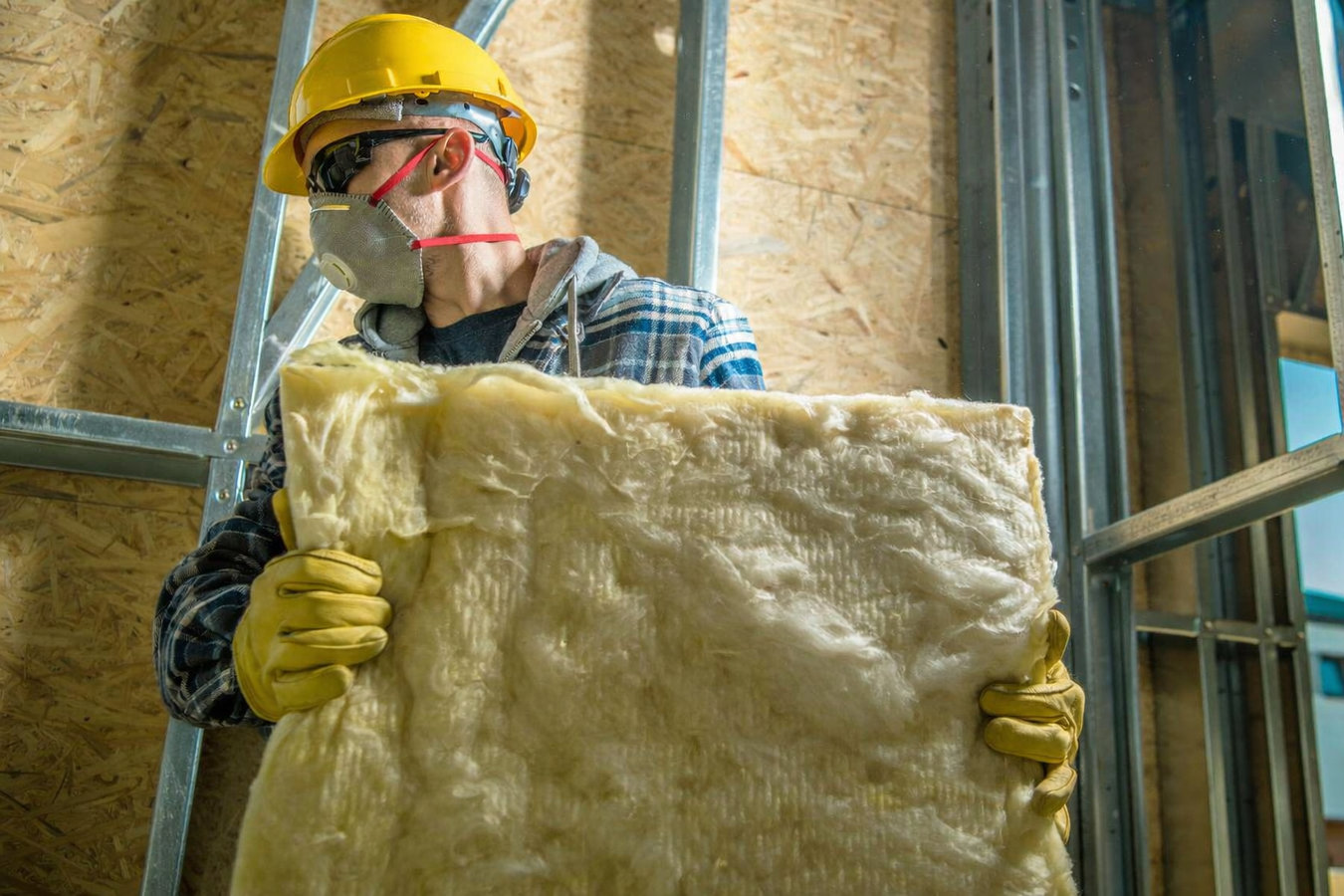
Palmdale's high-desert heat and cold winters punish under-insulated commercial buildings all year. We install and retrofit insulation that brings your building up to California energy standards and lowers what you pay every month.
Commercial insulation in Palmdale covers the installation or retrofit of insulation in business and industrial buildings - most projects run one to three days and do not require shutting down your operation during work.
Palmdale's commercial building stock is dominated by tilt-up concrete and metal panel construction, both of which conduct heat aggressively and are often under-insulated by today's standards. California's energy requirements for commercial buildings have been updated multiple times since 2000, and a building constructed before those updates without subsequent retrofits is very likely performing below current thresholds. That gap shows up directly on your utility bill every month.
Many business owners in the Antelope Valley also own or occupy residential properties with the same insulation deficits. Our retrofit insulation service handles both residential and light commercial work, and we can assess both during the same conversation if you want to address them together.
If your cooling costs jump sharply from May through September and you have not expanded your space or added equipment, your building is likely losing conditioned air faster than it should. In Palmdale's high desert, where temperatures regularly exceed 100 degrees, a poorly insulated building forces its HVAC system to run almost continuously. That cost lands on your bill every month.
A space that never reaches a comfortable temperature regardless of how long the AC runs, or large temperature differences between areas, often points to gaps or voids in the insulation. This is especially common in older Palmdale commercial buildings insulated to standards that predate the last several California energy code updates.
If you can feel outside air coming in around a wall joint, window frame, or exterior door when the Antelope Valley wind is blowing, air infiltration is undermining your insulation. Wind-driven air infiltration is a particular issue in Palmdale, where the valley channels strong desert winds. That infiltration works against your insulation and makes the building harder and more expensive to condition.
California's commercial energy standards have been updated multiple times since 2000. A building constructed before those updates and never retrofitted is almost certainly performing below current thresholds. If you do not know when your insulation was last inspected or replaced, that is worth finding out before your next lease renewal or renovation.
For tilt-up concrete and metal panel buildings, which make up a large share of Palmdale's commercial corridor, we commonly install rigid board insulation on roof decks and spray foam in wall cavities. Both approaches perform well in high-desert conditions, but the right choice depends on your building type, access constraints, and the scope of any renovation already planned. We assess all of that before recommending anything.
Tenant improvement projects in office or retail spaces often benefit from above-ceiling blown-in installation, which can be completed with minimal disruption to the occupied areas below. Spray foam in wall cavities during a build-out is another common application, particularly for spaces adjacent to unconditioned warehouses or exterior walls. Where existing insulation is water-damaged or compressed, we remove it before installing new material rather than layering over something that is no longer performing.
Commercial work in Palmdale requires attention to air sealing alongside insulation, because the valley's persistent winds push outside air through even small openings. We address both together. For building owners who need specific spray foam applications, our dedicated spray foam insulation service covers commercial and industrial applications in detail, and our wall insulation service handles targeted wall cavity work when that is the primary need.
Rigid board or spray foam on accessible roof decks in tilt-up and metal buildings - the highest-impact upgrade for most Palmdale commercial properties.
Spray foam or blown-in material in wall cavities during construction or renovation, particularly for exterior walls adjacent to unconditioned spaces.
Low-disruption installation above drop ceilings in occupied office and retail spaces, completed without shutting down operations.
For buildings with water-damaged or degraded material that needs to come out before new insulation can perform as intended.
Palmdale sits at roughly 2,700 feet in the Antelope Valley high desert, and the climate puts constant stress on commercial buildings. Summer temperatures regularly exceed 100 degrees for weeks at a time, and winter nights frequently drop to near freezing. A building that is under-insulated here is paying for that shortfall on every utility bill, in both seasons. Utility costs in the Antelope Valley run above the Los Angeles basin average, which means the return on a commercial insulation investment is faster here than in milder coastal markets.
California's energy requirements for commercial buildings are among the strictest in the country, and work on permitted projects must meet current standards. The California Energy Commission's Title 24 standards apply to new construction, additions, and significant renovations throughout Palmdale. A local contractor handles compliance on your behalf and coordinates any required inspections. SoCalGas and Southern California Edison both offer rebate programs for commercial customers that can meaningfully reduce upfront costs.
We work across the Antelope Valley, serving commercial building owners in Lancaster, Victorville, and San Bernardino who deal with the same high-desert conditions and the same mix of tilt-up and metal panel construction. The climate and construction challenges are consistent across this region, and so is our approach.
We will ask about your building type, approximate size, and what is prompting the inquiry. We reply within one business day and come prepared rather than showing up cold. The initial assessment costs you nothing.
We walk through your building, checking attic spaces, wall cavities, and any other relevant areas. You receive a written estimate that breaks down scope, materials, and total cost by area, not just a single lump number.
We handle the permit application with the City of Palmdale's Building and Safety Division on your behalf. Permit processing adds a few days to the timeline, but it means the work will be inspected and documented, which protects you.
Most commercial jobs take one to three days. We walk the completed work with you before leaving, answer questions, and provide any rebate documentation or warranty paperwork that applies. You stay reachable during installation in case the crew finds something unexpected.
Free on-site estimate, no phone quotes, no obligation. We walk your building, show you what we find, and give you a written breakdown you can compare.
(661) 450-6647A significant share of Palmdale's commercial inventory is tilt-up concrete and metal panel construction, both of which have specific insulation needs that differ from standard residential or wood-frame commercial buildings. We work in these building types regularly and bring the right materials and methods from the start.
We pull all required permits through the City of Palmdale and ensure every job meets California's commercial energy standards. An inspected, documented job protects you at lease renewal, resale, or any city audit. We handle the paperwork so you do not have to.
Both SoCalGas and Southern California Edison offer rebate programs for commercial buildings that upgrade insulation. These programs change periodically, and we stay current on what is available. We will tell you what your building qualifies for before you sign anything, and help with the required documentation.
We have been working in Palmdale and the surrounding Antelope Valley since 2022, so we know the local permit process and inspectors. You get a free written estimate and a documented record of the work on every commercial project.
Commercial insulation in Palmdale is not a one-size-fits-all job. The right material and method depend on your building type, your occupancy, and what California's energy standards require for your specific project. The North American Insulation Manufacturers Association provides installation standards that professional contractors follow to ensure commercial jobs perform as intended. We work to those standards on every project.
Spray foam is frequently the right call for commercial roof decks, wall cavities, and hard-to-reach areas in Palmdale's tilt-up and metal buildings.
Learn moreTargeted wall insulation for commercial spaces where exterior walls conduct heat aggressively and need improved thermal resistance.
Learn moreSummer in the Antelope Valley arrives fast and energy bills climb with it. Book a free on-site walkthrough now before your peak season hits.