Loading...
Serving Palmdale, CA and surrounding areas(661) 450-6647
Palmdale Insulation serves Quartz Hill, CA homeowners with attic insulation, blown-in insulation, and air sealing — with 4+ years working in the western Antelope Valley and a guaranteed reply within one business day. Quartz Hill's single-family homes and larger semi-rural lots present specific insulation challenges that crews unfamiliar with the area tend to miss. We assess what you have, give you a clear picture of what's costing you money, and complete the work in a single visit.
Quartz Hill is a census-designated place on the western edge of the Antelope Valley, covering about 3.7 square miles and home to roughly 11,447 residents according to the 2020 U.S. Census. Unlike its neighbors Palmdale and Lancaster, Quartz Hill is unincorporated — governed by Los Angeles County rather than its own city hall. That means permit questions go to the LA County Building and Safety Division, not a local city department.
The community grew from an agricultural base — almond orchards, alfalfa fields, and turkey farms that dominated through the 1970s — into a residential suburb shaped by the region's aerospace employment at nearby Lockheed Martin and Rockwell International operations. Traces of that agricultural past remain in the equestrian-zoned lots and scattered almond trees that still exist throughout the community, and locals celebrate it each spring at the annual Almond Blossom Festival. The housing stock reflects this transition: a mix of standard suburban tract homes from the 1980s and 1990s alongside larger rural parcels with bigger footprints and older construction.
The area sits within the same desert climate zone as neighboring Lancaster, CA, and its 67.8% homeownership rate — well above the California average — means most residents here are long-term owners making decisions about their primary home rather than renters watching a landlord's budget.
Quartz Hill attics bake above 150°F on summer afternoons, pushing that heat directly into living spaces below. Most homes in the community built between 1975 and 1995 have R-19 or less in the attic — far below the R-49 that pays for itself in reduced cooling costs in Climate Zone 14.
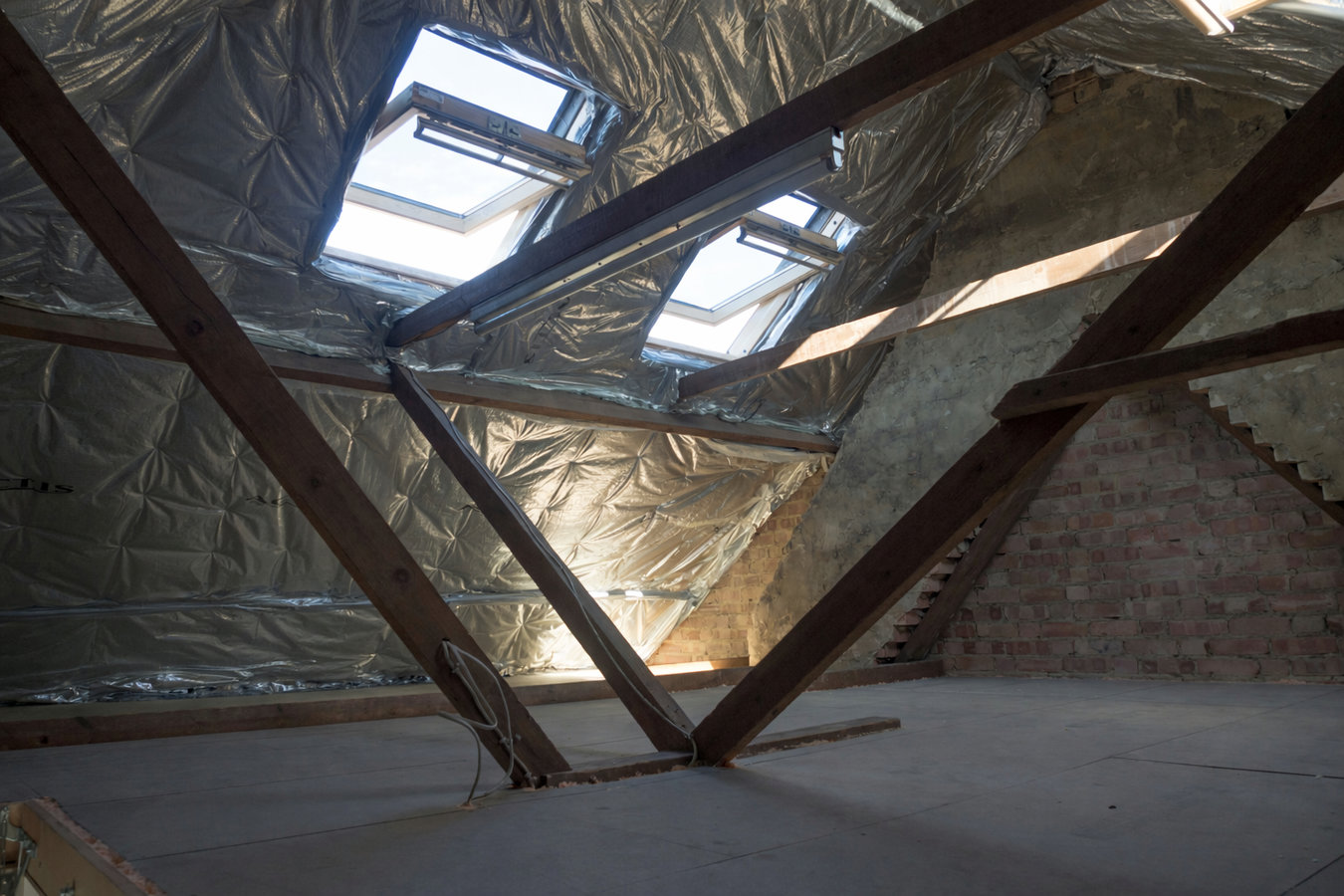
Blown-in cellulose or fiberglass is the standard upgrade method for Quartz Hill attics because it fills around existing framing, wiring, and HVAC ducts without disruption. For homes with irregular attic shapes — common in older Quartz Hill properties with additions or custom framing — blown-in coverage is more consistent than replacing batts.
The Antelope Valley's prevailing westerly winds push desert dust and hot air through every gap in an older home's envelope. Sealing attic bypasses around light fixtures, plumbing chases, and HVAC penetrations before adding blown-in insulation can cut air infiltration by 30 to 50 percent — a measurable reduction in both energy use and the dust that settles on every surface.
Quartz Hill homes with attached garages beneath living space benefit from closed-cell spray foam on the garage ceiling, which both insulates and creates a true air barrier in one application. For larger rural parcels with outbuildings or workshops, spray foam is the most durable option given the desert temperature swings.
Quartz Hill's semi-rural character — with equestrian properties and open desert nearby — means rodent activity in attics is a real issue. When rodents have nested in or saturated insulation, the old material must be removed and the attic sanitized before new insulation will perform properly. Skipping removal and just adding on top traps contamination and odor.
Quartz Hill overlaps in ZIP code and character with the western side of Lancaster. If you are on the Lancaster side of the boundary, our Lancaster service page has local detail specific to that city's housing stock and permit office.
Quartz Hill sits in the western Antelope Valley, where the terrain funnels air movement from the Tehachapi Pass directly into the community. That wind pressure is not a seasonal inconvenience — it operates year-round and constantly pushes outdoor air into homes through any gap in the building envelope. For a Quartz Hill home with original 1980s insulation and unsealed attic bypasses, that means a constant exchange of desert air that no HVAC system can fully compensate for.
The housing mix here creates additional complexity. Homes built in the 1970s often used low-density fiberglass batts that have compressed to a fraction of their original R-value. Homes from the early 1990s tract developments frequently have inconsistent coverage — areas where batts were cut short, left uninstalled around obstructions, or never upgraded after HVAC equipment was added. Larger parcels with custom builds or additions present their own pattern: walls and attic additions where insulation was treated as an afterthought rather than designed in from the start.
The community's 67.8% homeownership rate means most Quartz Hill residents are making a long-term investment when they upgrade insulation — not just fixing a temporary problem. Every dollar spent on insulation in Climate Zone 14 starts returning value in the first cooling season, and the payback timeline for a full attic upgrade at current utility rates in the Antelope Valley is typically three to five years.
Because Quartz Hill is unincorporated, permit applications go through the LA County Department of Public Works Building and Safety — not a city building department — and the process and documentation requirements differ from those used by Palmdale and Lancaster. Our crews handle that distinction routinely, which means homeowners do not have to navigate it themselves.
Quartz Hill's equestrian-zoned lots along West Avenue L and the neighborhoods around Joe Walker Middle School represent some of the largest residential properties we work on in the Antelope Valley. Larger homes mean longer runs of ductwork, bigger attic footprints, and more penetrations to seal before installing insulation — all details that affect both labor time and material estimates. Our assessments account for these property characteristics specifically rather than using average-home templates.
We also regularly serve homeowners in adjacent Palmdale and the communities around Lake Los Angeles, and we coordinate visits in Quartz Hill on the same routes to avoid wasting your time on a multi-week wait.
Reach us by phone or through the estimate form and we respond within one business day. You describe the issue — hot rooms, high bills, visible insulation problems — and we schedule a free on-site visit.
A technician visits your Quartz Hill home, measures the attic, checks existing insulation depth and condition, and identifies any bypass gaps. The assessment takes about 45 minutes and produces a written estimate with itemized costs — no pressure, no obligation.
Our crew handles setup, installation, and cleanup in a single visit. Most attic blown-in jobs in Quartz Hill take four to seven hours; you do not need to leave the home unless spray foam is involved, which requires a 24-hour ventilation period.
Before we leave, we walk you through what was done and hand over any documentation needed for utility rebate applications or building department sign-off. You keep a copy of the completed work order for your records.
We respond to all Quartz Hill inquiries within one business day. The on-site assessment is free, there is no obligation to proceed, and we give you a written itemized estimate before any work begins. Submit the form or call us directly.
(661) 450-6647Spray foam creates an air-tight thermal barrier that stops heat transfer and air infiltration in walls, attics, and crawl spaces.
Learn moreProper attic insulation reduces heat gain in summer and heat loss in winter, easing the load on your HVAC system year-round.
Learn moreBlown-in insulation fills irregular cavities and hard-to-reach spaces with a seamless layer of thermal protection.
Learn moreWhole-home insulation assessments and installations address every zone of heat loss to improve comfort and lower utility bills.
Learn moreOld, damaged, or contaminated insulation is safely extracted before new material is installed for maximum performance.
Learn moreInsulating the crawl space floor and rim joists keeps floors warmer, reduces moisture intrusion, and cuts energy costs.
Learn moreRetrofit and new-construction wall insulation controls heat flow and reduces noise transmission between interior spaces.
Learn moreAir sealing closes gaps, cracks, and penetrations that allow conditioned air to escape and outside air to enter your home.
Learn moreInsulating basement walls and rim joists prevents cold floors above and protects pipes from temperature extremes.
Learn moreClosed-cell spray foam delivers the highest R-value per inch and acts as both an air barrier and a vapor retarder.
Learn moreOpen-cell spray foam is a cost-effective choice for interior walls and attics where a vapor-permeable barrier is preferred.
Learn moreSealing attic bypasses before adding insulation prevents warm air from rising into the attic and greatly reduces energy waste.
Learn moreA heavy-duty vapor barrier on crawl space floors blocks ground moisture from entering the structure and damaging insulation.
Learn moreVapor barrier installation in walls and floors controls moisture movement to prevent mold growth and insulation degradation.
Learn moreRetrofit insulation upgrades existing homes with modern materials without the need for extensive demolition or reconstruction.
Learn moreCommercial insulation services cover warehouses, office buildings, and industrial facilities to meet code and reduce operating costs.
Learn moreServing these cities and communities.
Call or submit an estimate request today — we serve Quartz Hill and the surrounding Antelope Valley communities with same-crew, single-visit insulation work.