Insulation Removal
Old, compressed, or contaminated insulation has to come out before new material can perform correctly - we remove it cleanly before any upgrade.
Learn moreServing Palmdale, CA and surrounding areas. (661) 450-6647
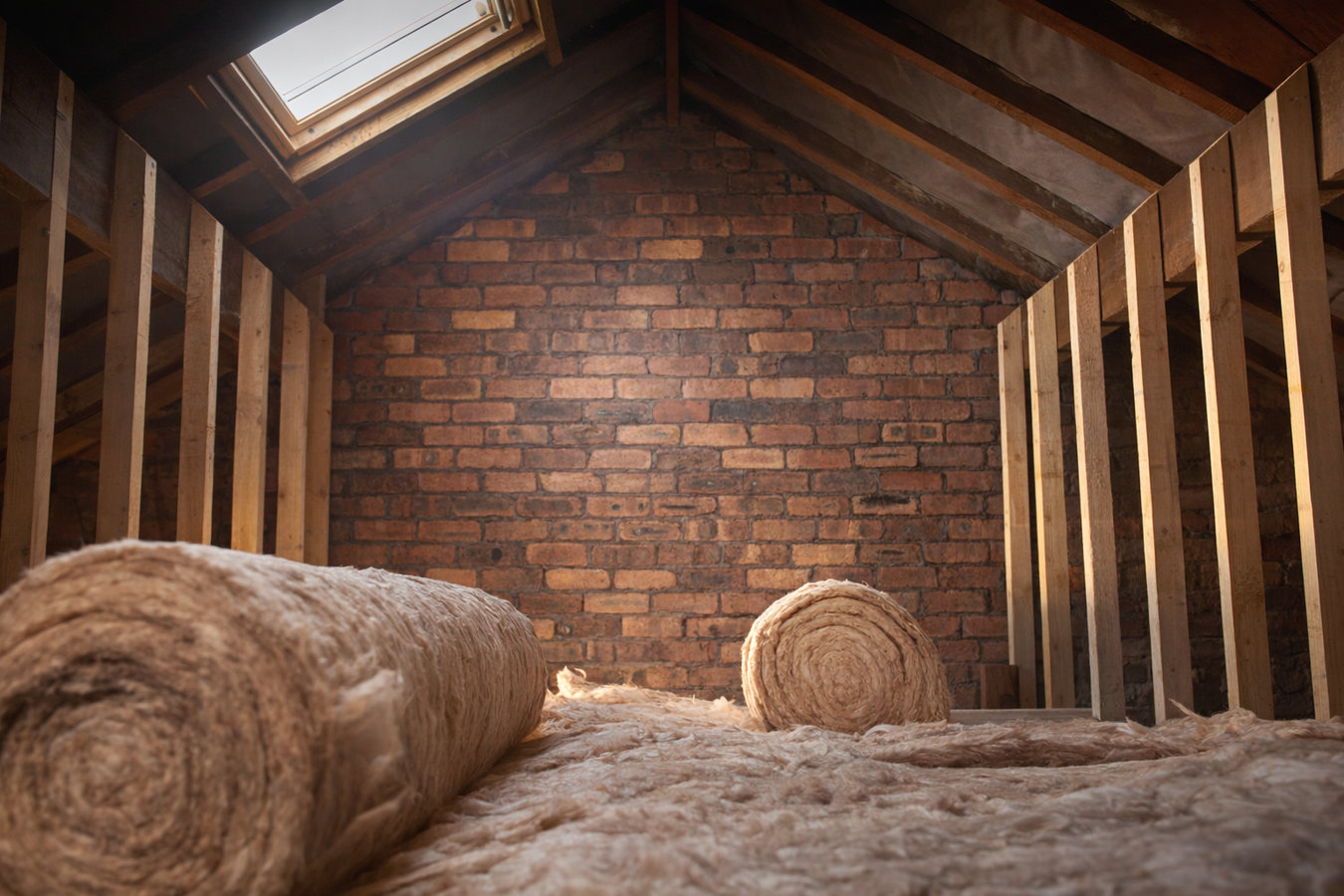
Palmdale's extreme heat and freezing winters demand more than minimum insulation. Get a whole-home upgrade that works in both directions and shows up on your utility bill.
Home insulation in Palmdale covers every part of your home that separates conditioned space from the outdoors - attic, walls, and crawl space - and most single-story jobs are completed within one to two days with no need to leave your home.
Most Palmdale homes were built during the 1980s and 1990s tract-home boom, when insulation standards were much lower than they are today. At nearly 2,700 feet in the high desert, those homes deal with summer heat above 100°F and winter nights that regularly drop below freezing - a combination that punishes thin or aging insulation hard. If your home has never had work done by an insulation contractor, it is almost certainly running on an undersized layer.
Some homeowners start with the attic, where the return is typically highest. Others use a whole-home approach - pairing attic work with insulation removal of old damaged material and retrofit insulation for walls and enclosed cavities that were never properly filled.
If your air conditioner runs constantly on a hot Palmdale afternoon and rooms near the ceiling still feel stuffy, heat is getting in through an under-insulated attic or walls. An attic in this desert climate can reach 150°F - which effectively turns your ceiling into a radiant heater. If the AC runs but the upstairs rooms never get comfortable, insulation is the first place to look.
If you are paying significantly more for electricity or gas than neighbors in comparable homes, the difference is often insulation. Palmdale homes built in the 1980s and 1990s were insulated to the minimum standards of that era - standards now considered well below optimal - and that gap shows up directly on your utility bill every single month.
If you hold your hand near an electrical outlet on an exterior wall and feel a slight breeze, or if the area around your attic access door feels noticeably warm or cold, air is moving through places it should not. Air leaks undermine whatever insulation is already there and need to be sealed before new material is added to get the full benefit.
Palmdale winters are colder than most Southern California homeowners expect. Overnight lows below freezing are common from November through February. If your floors feel cold underfoot or your walls are chilly to the touch during those months, the insulation in your crawl space or walls is thin, missing, or no longer doing its job.
We cover every part of the home that affects your comfort and energy costs. Attic upgrades are the most common starting point - blown-in or batt insulation to the depth your climate zone requires, always paired with air sealing to close the gaps that insulation alone cannot stop. Walls and crawl spaces are the next areas we address, either as part of an initial assessment or as a follow-on project.
If your existing insulation is damaged, contaminated, or too compressed to build on, we can remove it first through our insulation removal service before installing fresh material. For older Palmdale homes where the walls were never insulated, our retrofit insulation process fills enclosed cavities without requiring drywall demolition in most cases.
Every project starts with a free in-home assessment where we measure what you have, identify air leaks, and explain exactly what we recommend and why. You receive a written estimate with depth, material, and cost before any commitment.
The highest-return starting point for most Palmdale homes, addressing the primary source of summer heat gain.
For homes where exterior walls were never filled or where older material has settled and lost effectiveness.
Addresses cold floors in winter and moisture issues in homes with raised foundations or accessible crawl spaces.
The most thorough approach: attic, walls, crawl space, and air sealing addressed together in a coordinated project.
Palmdale's position in the Antelope Valley at nearly 2,700 feet creates climate conditions that most coastal Southern California cities never experience. Summers regularly push past 100°F for weeks at a time. Winters bring overnight lows in the 20s from December through February. That combination puts your heating and cooling system under constant stress in both seasons - and thin insulation means you are paying for all of it on every utility bill, every month of the year.
Southern California Edison serves Palmdale and offers rebates for homeowners who upgrade attic insulation to qualifying levels. Those rebates can meaningfully reduce your upfront cost, but only if the work is done by a participating contractor and documented correctly. The ENERGY STAR Home Sealing and Insulation program also provides guidance on what improvements qualify for federal tax credits.
We work across the full Antelope Valley and the surrounding high-desert communities. If you are in Lancaster, Hesperia, or Victorville, the same climate conditions apply - and we size every project for this desert environment, not the coastal standard.
We respond within 1 business day. The first conversation is short - we ask about your home's size, age, and what is prompting your call. We schedule a free in-home assessment before quoting any price, because what is already in your home matters as much as its square footage.
We inspect your attic, check existing insulation levels, look for air leaks around fixtures and penetrations, and assess your crawl space or walls if those are part of the project. This visit takes 30 to 60 minutes and costs nothing. You are not committing to any work.
You receive a written estimate specifying what we are recommending, why, the material and depth, and the total cost. We explain whether the proposal meets California's current requirements for Palmdale's climate zone, whether utility rebates apply, and what documentation you will need for the federal tax credit.
On install day, the crew seals air leaks first, then installs insulation. A standard attic job takes four to eight hours; whole-home projects may take two days. Before leaving, we walk you through the finished work and provide written documentation of what was installed - something you will need for rebate applications and future home sales.
We respond within 1 business day. There is no obligation to move forward. After you submit, we call to schedule a free in-home assessment - no commitment required.
(661) 450-6647We spec insulation depths to California's requirements for Palmdale's actual climate zone. The minimums for coastal cities are not the right target here - and we will not quote you a job that only meets a lower standard.
Insulation on top of air leaks is like a blanket over a screen door. We seal gaps around recessed lights, plumbing, and the attic hatch before any material goes in. This is the step that makes the biggest difference on your utility bill, and it is one many contractors skip to lower their bid.
Southern California Edison rebates and the federal energy efficiency tax credit both require proper documentation from your contractor. We use qualifying materials and provide everything you need - product certifications, written records of what was installed, and photos of the completed work.
Palmdale is one of the largest cities in Los Angeles County, covering roughly 106 square miles. We know the neighborhoods, the housing stock, and what homes in this city actually need.
Every one of these commitments addresses a real concern we hear from homeowners: did the job get done right, and will I actually see a difference? You should walk away with documentation you can use for rebates, a tax credit, and the eventual sale of your home. The U.S. Department of Energy's Energy Saver insulation guide is a useful independent reference for understanding what your home should have.
Old, compressed, or contaminated insulation has to come out before new material can perform correctly - we remove it cleanly before any upgrade.
Learn moreRetrofit work adds insulation to walls and enclosed cavities in existing homes without requiring full demolition or reconstruction.
Learn moreCall today for a free in-home estimate - we will tell you exactly what your home needs and what it will cost before any work begins.