Serving Palmdale, CA and surrounding areas. (661) 450-6647
Serving Palmdale, CA and surrounding areas. (661) 450-6647
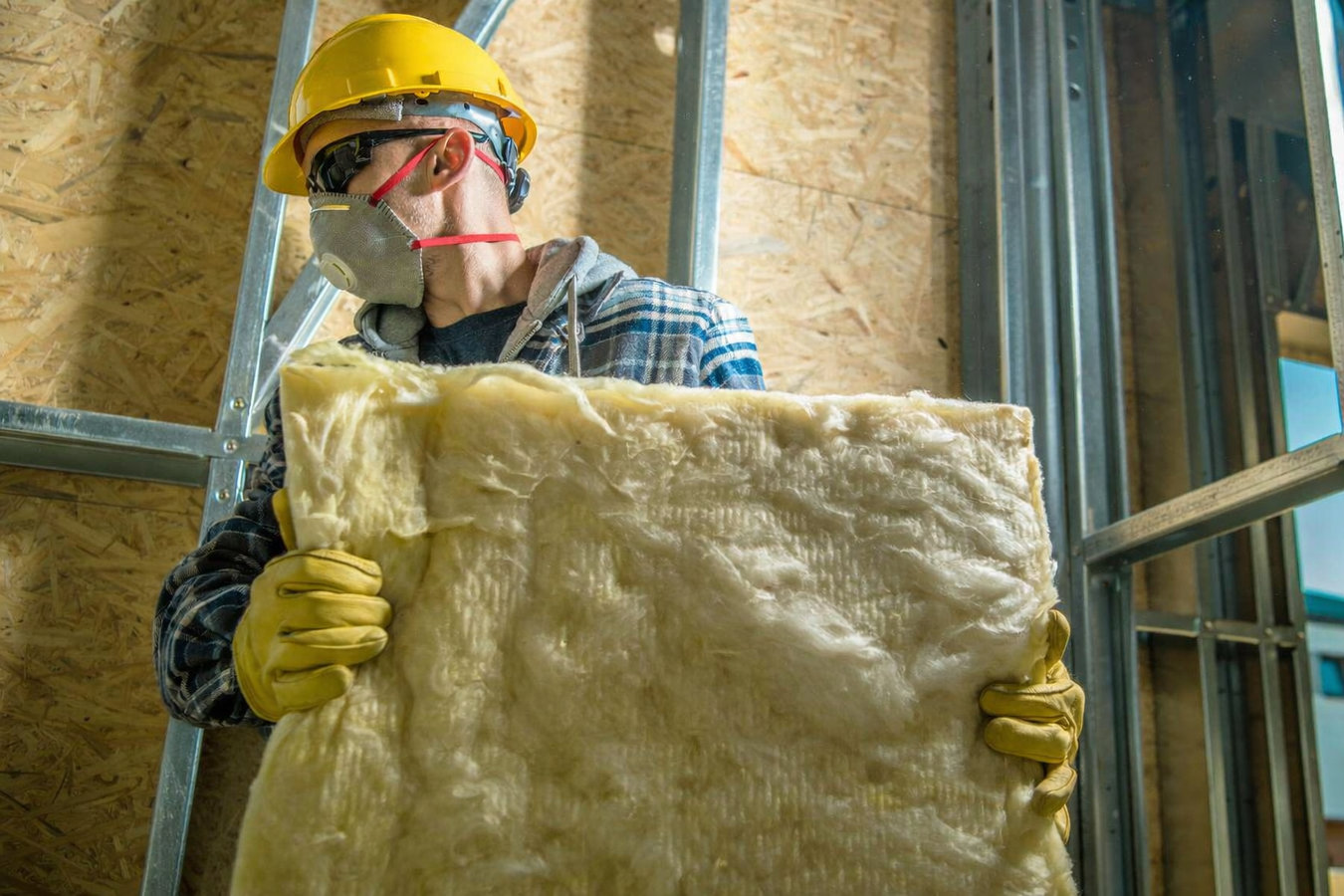
Palmdale Insulation handles spray foam, attic, blown-in, and whole-home insulation for homeowners across the Antelope Valley. Stop paying to heat and cool the outdoors.
Palmdale Insulation is Palmdale's trusted insulation contractor, offering 16 insulation and air-sealing services for homeowners and businesses across the Antelope Valley. Whether your home is losing cool air through an underperforming attic or moisture is working its way through a bare crawl space, we identify the problem and fix it with the right material for your specific situation. Serving 12 communities with free written estimates.
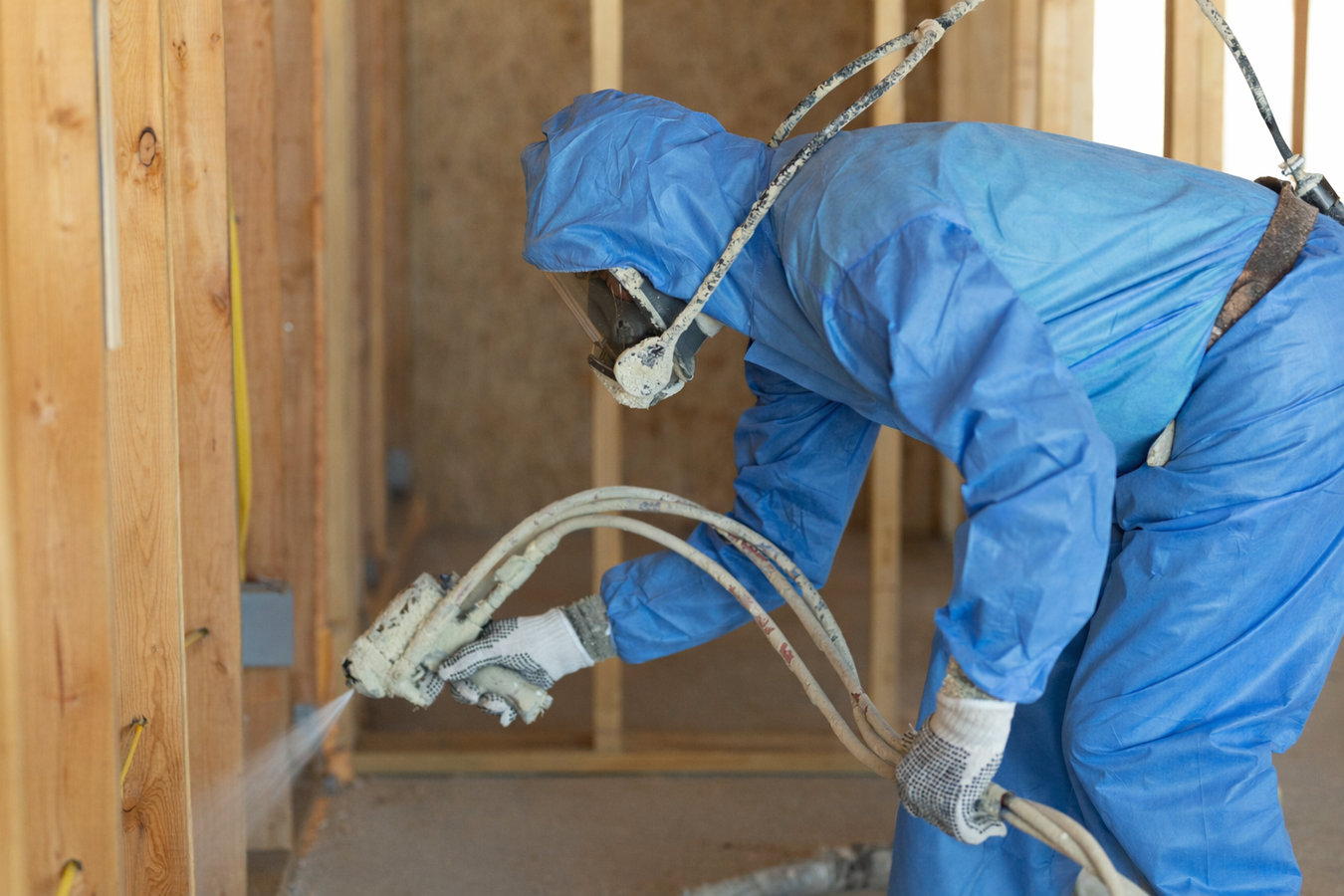
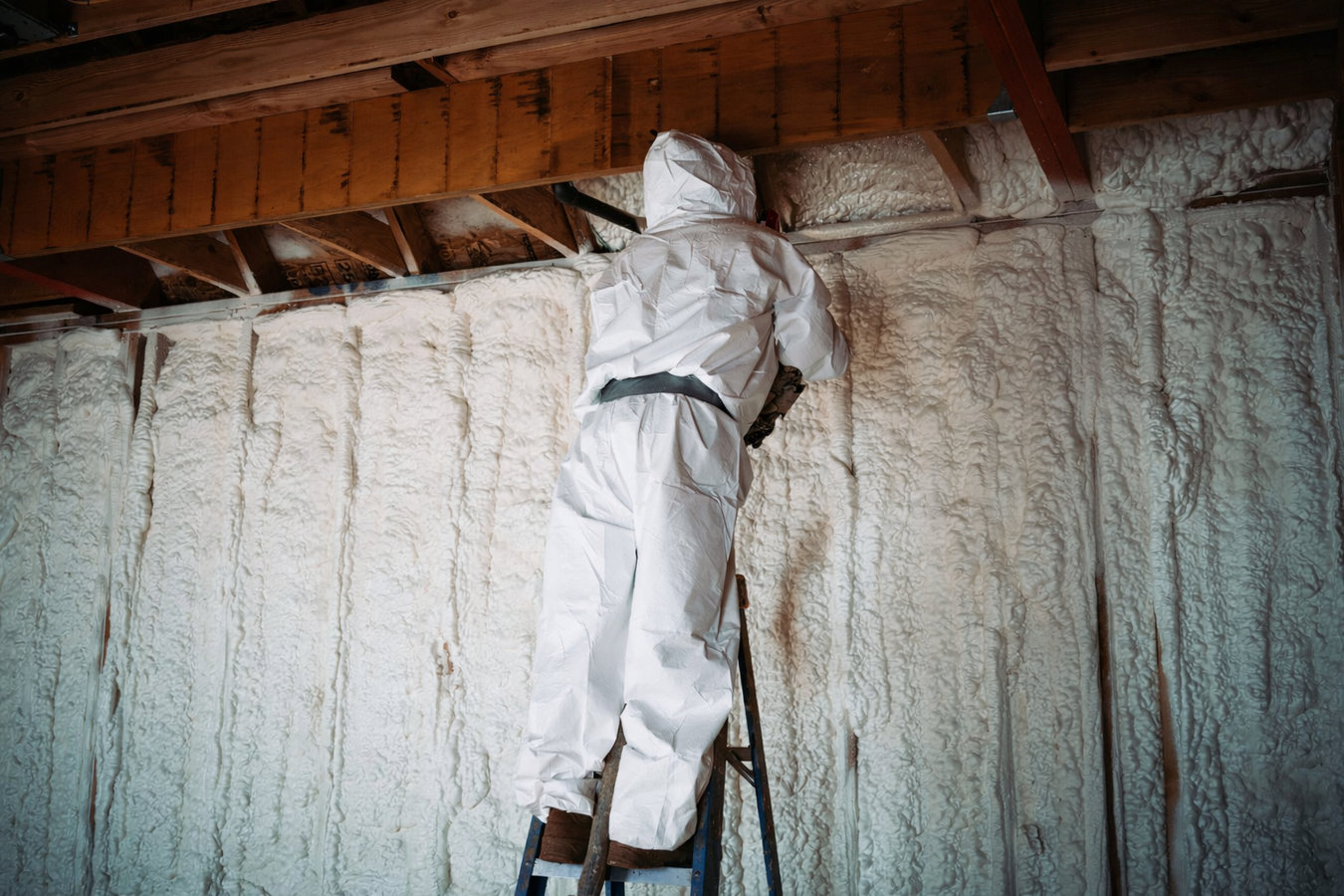
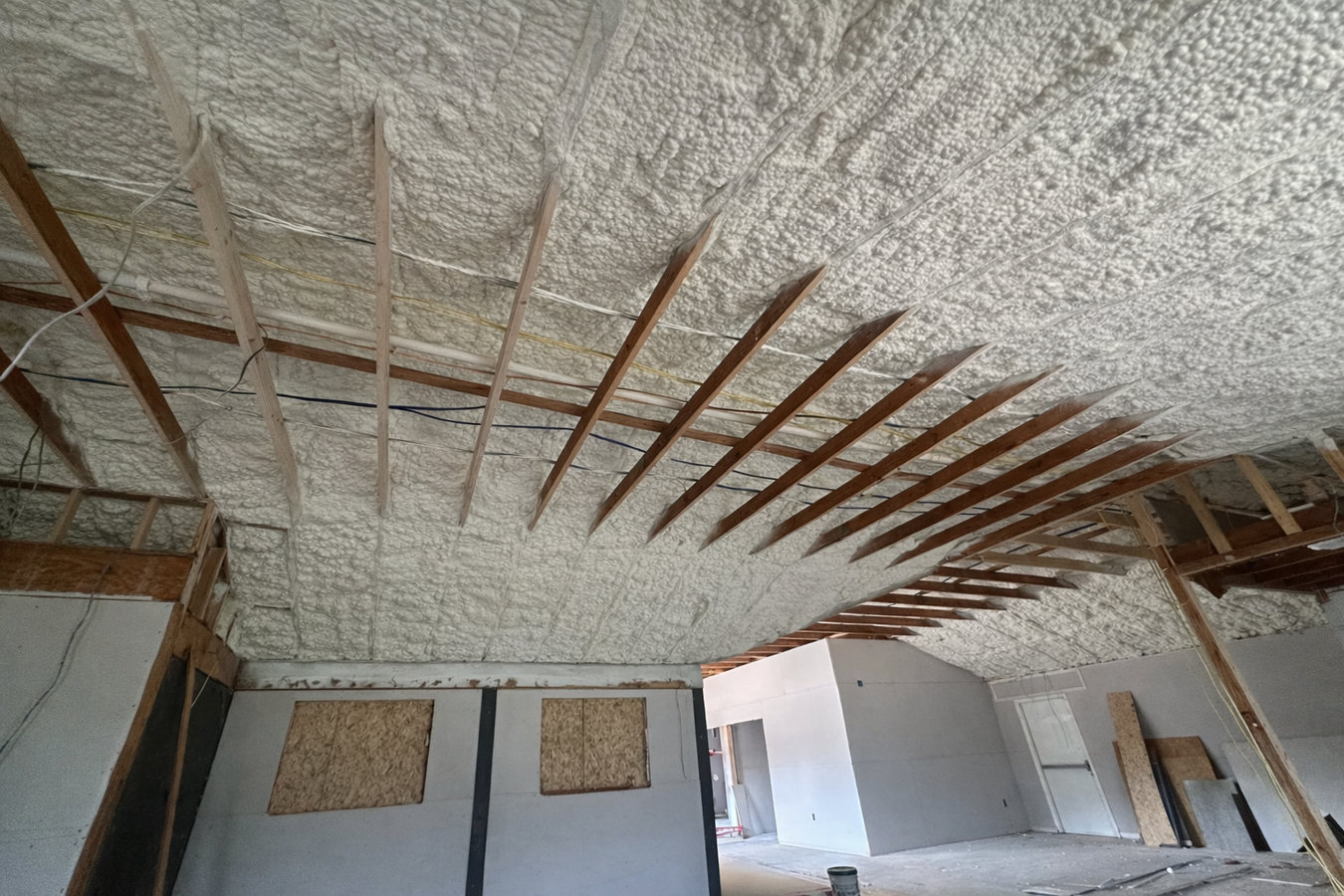
Your AC running all day but never catching up? Spray foam seals air leaks and insulates in one step, cutting the heat load in Palmdale's triple-digit summers.
Learn More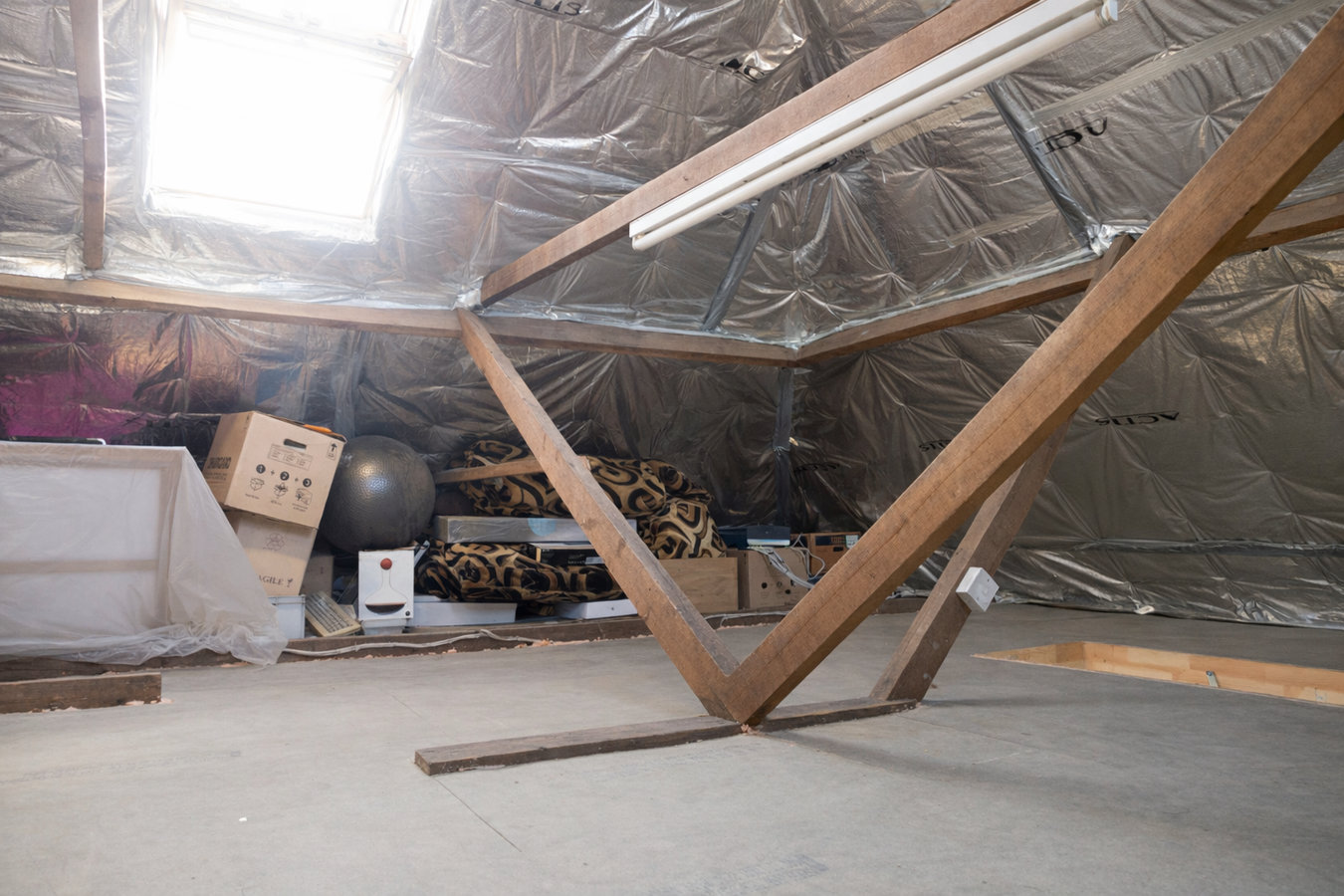
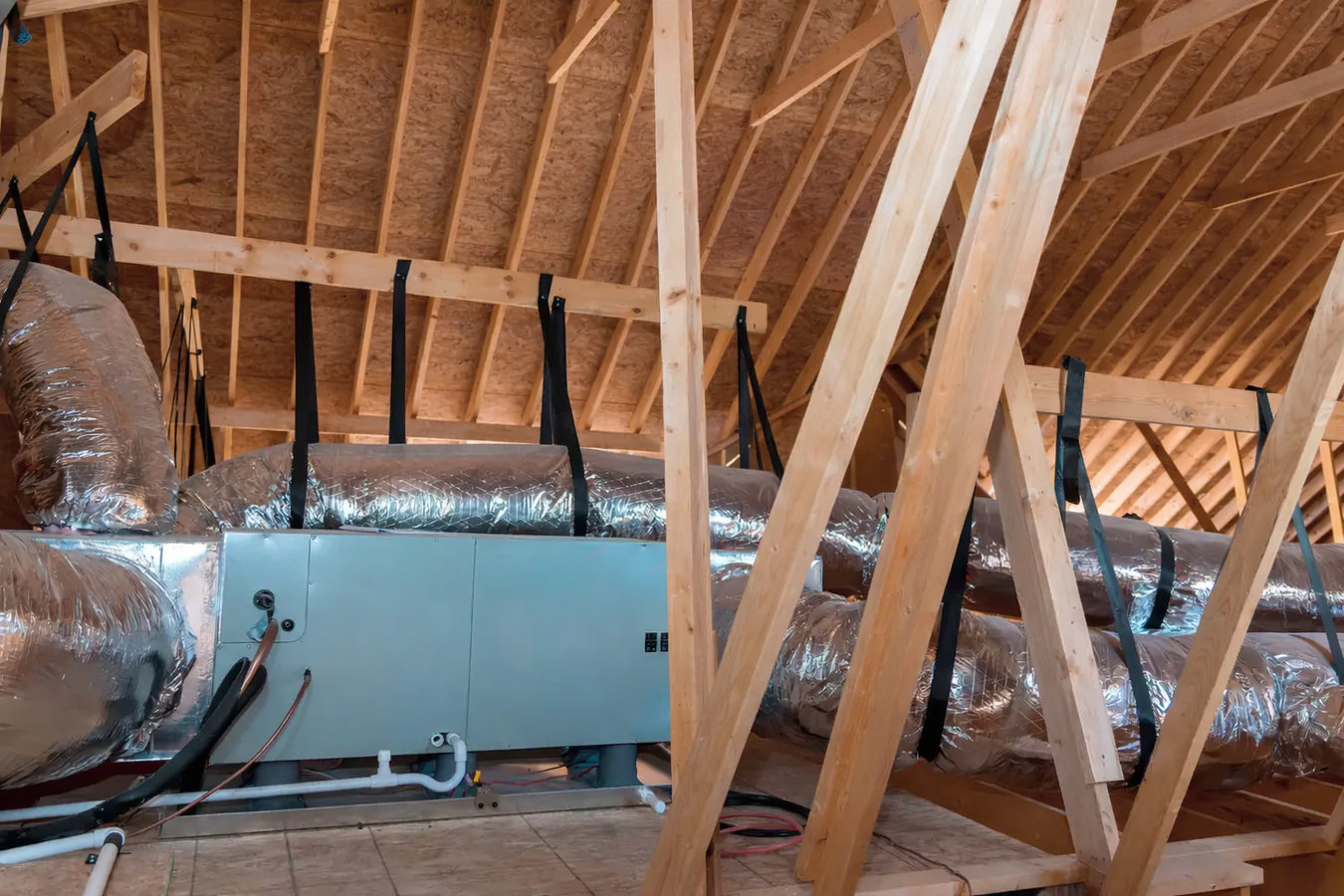
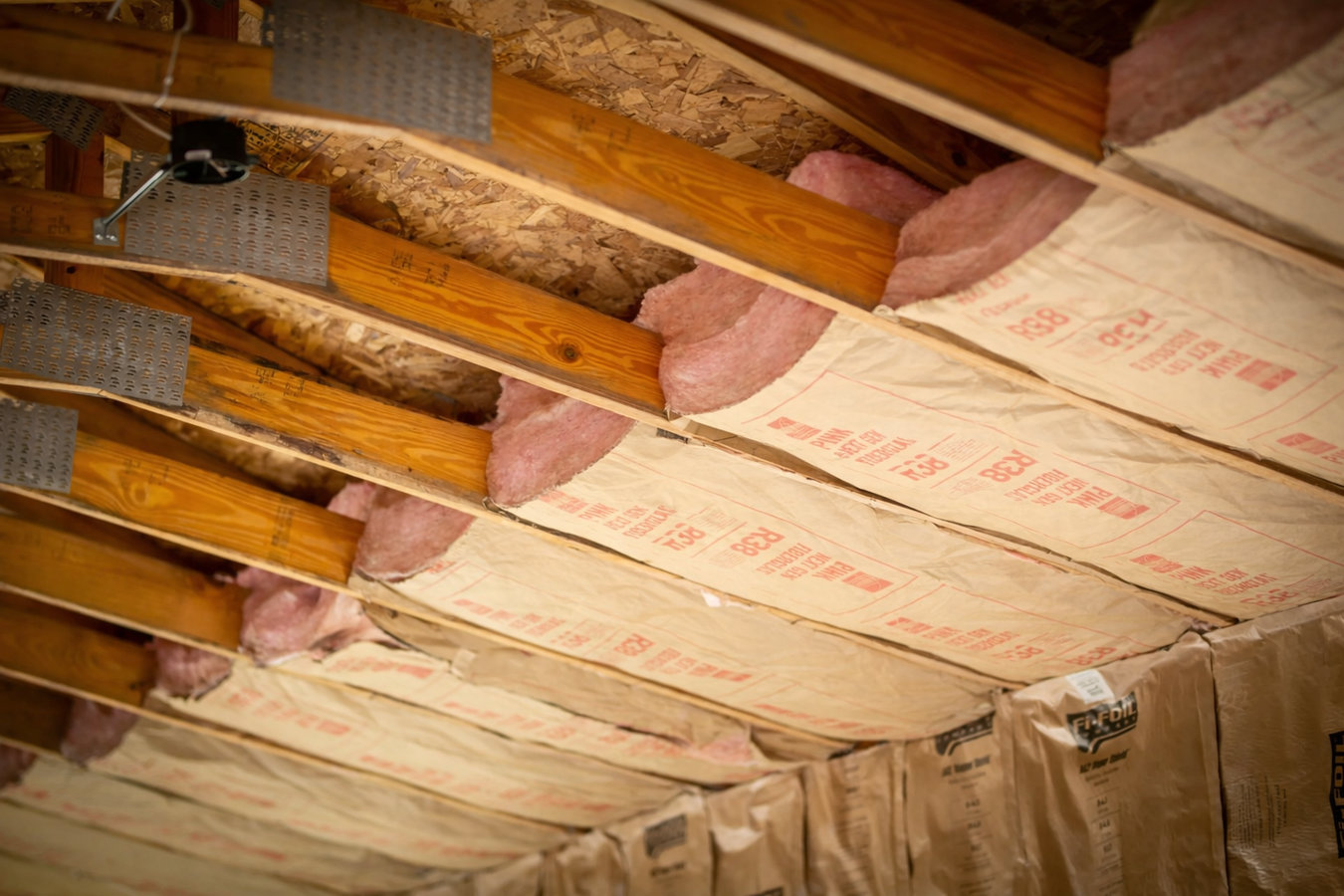
An attic at 150°F turns your ceiling into a radiant heater. Proper attic insulation is the single highest-impact upgrade for most Palmdale homes.
Learn More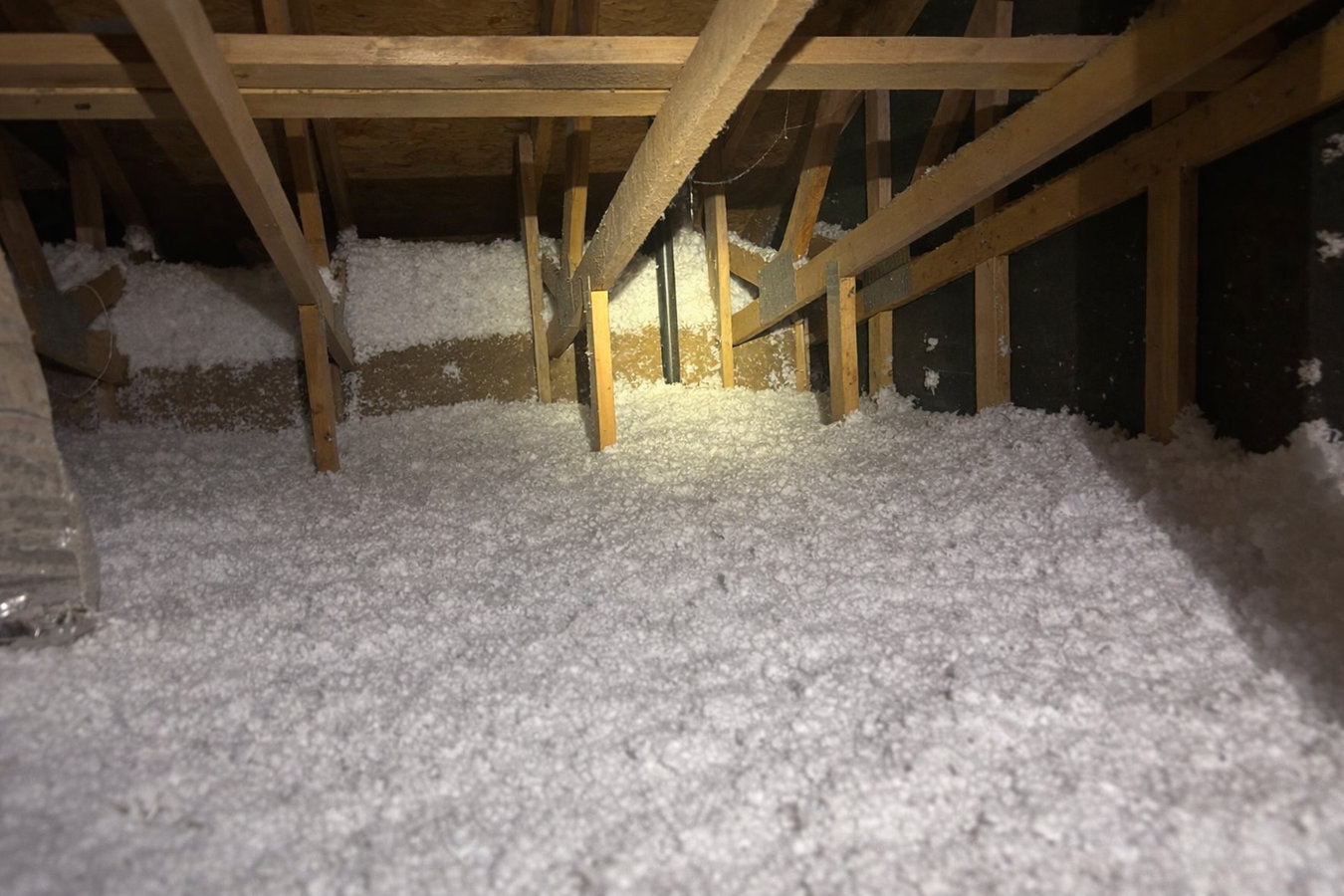
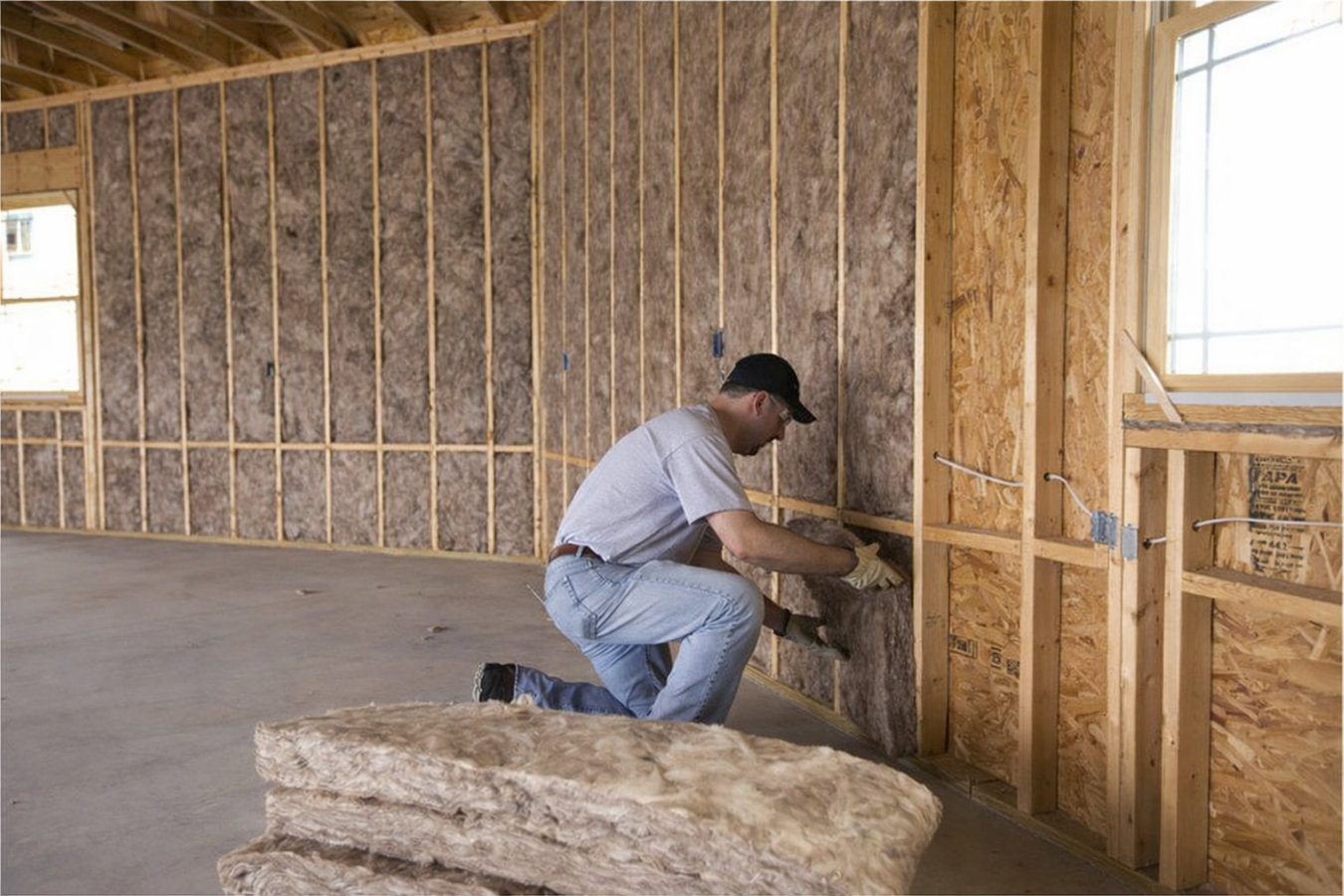
Blown-in material fills corners, odd angles, and gaps that rigid panels miss - a smart, fast upgrade for homes built during Palmdale's 1980s and 1990s growth years.
Learn More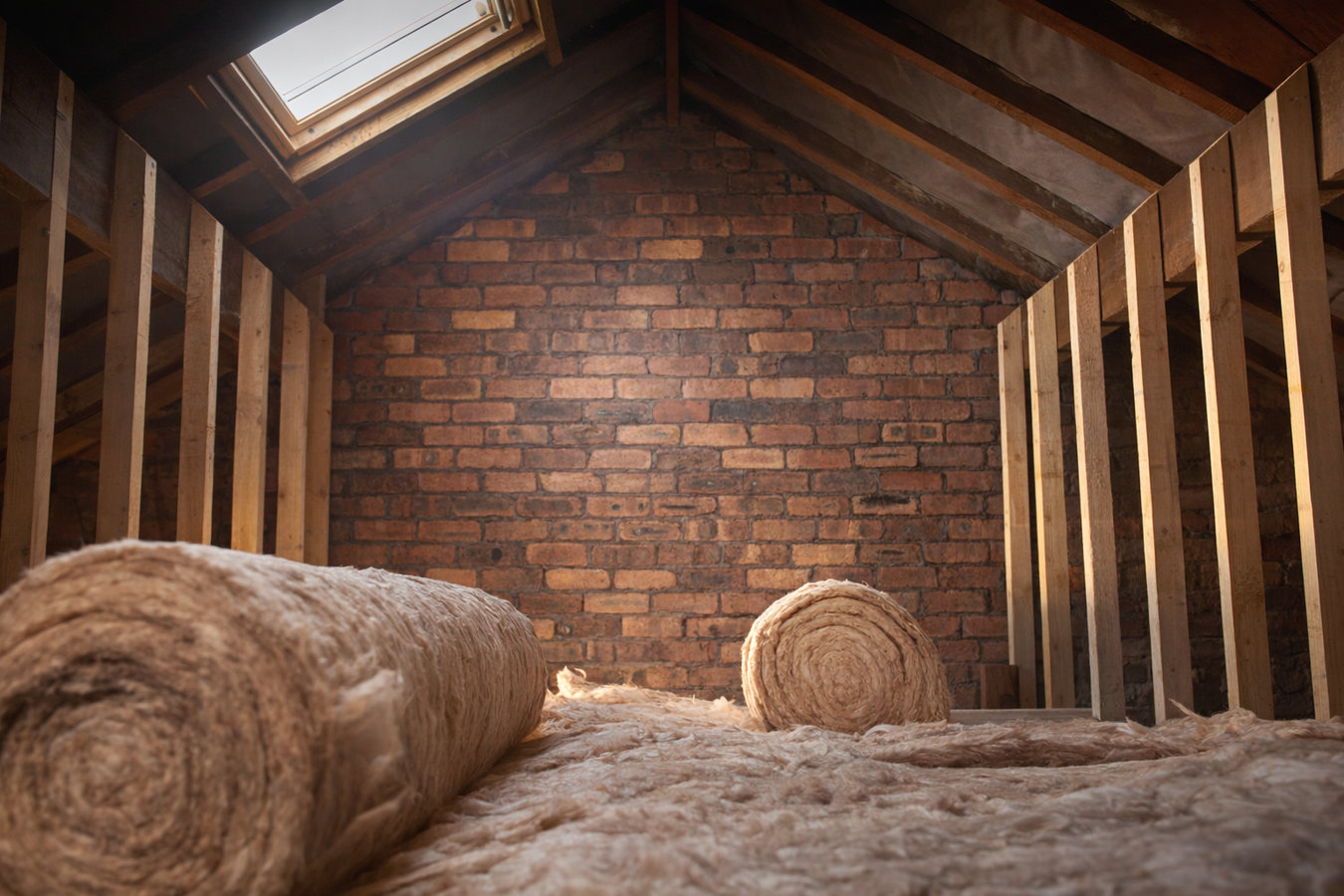
From attic to crawl space, a whole-home insulation assessment identifies every place heat is moving through your walls and ceiling - then fixes all of them at once.
Learn More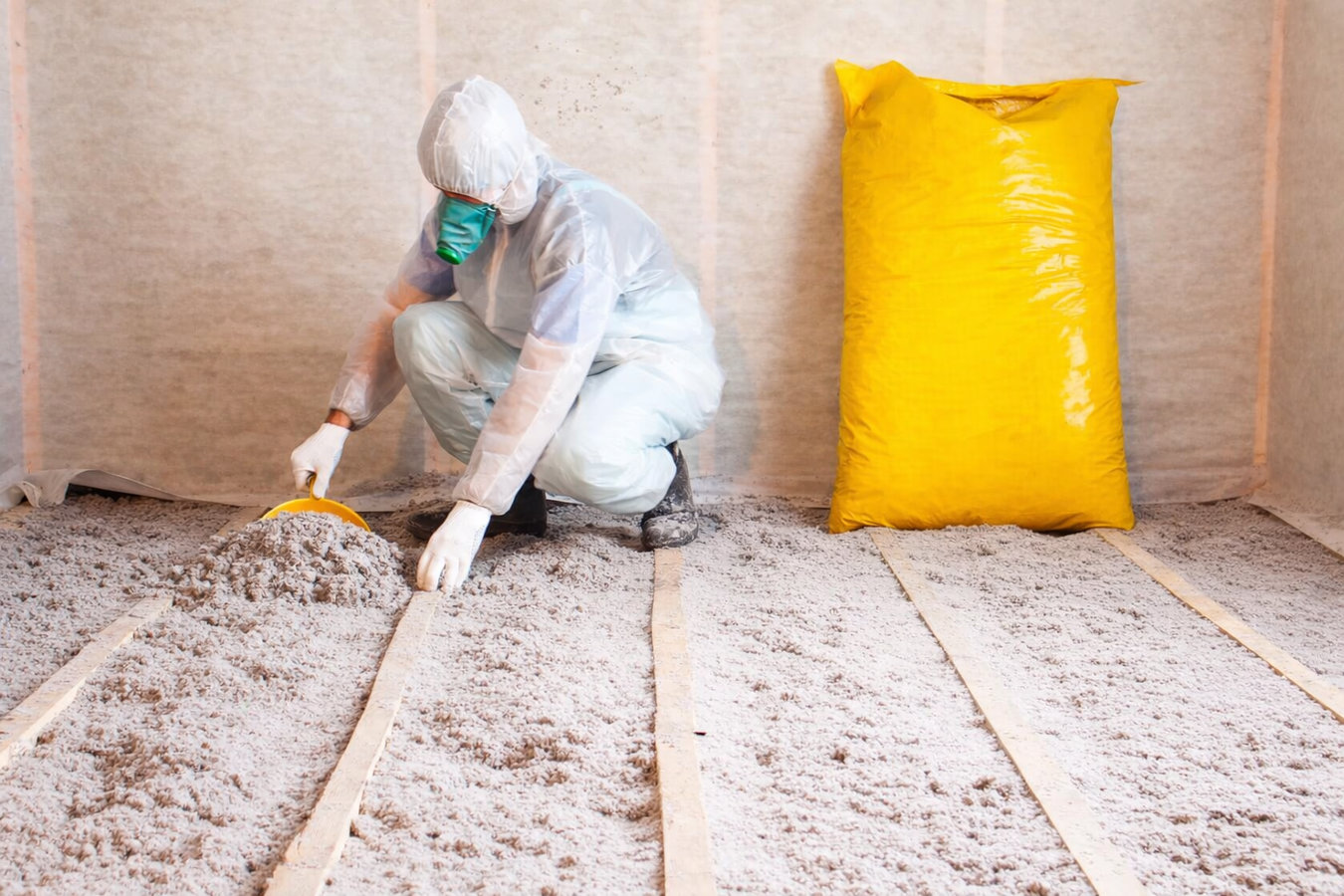
Old, compressed, or rodent-contaminated insulation traps odors and reduces performance. Safe removal prepares your home for a fresh installation that actually works.
Learn More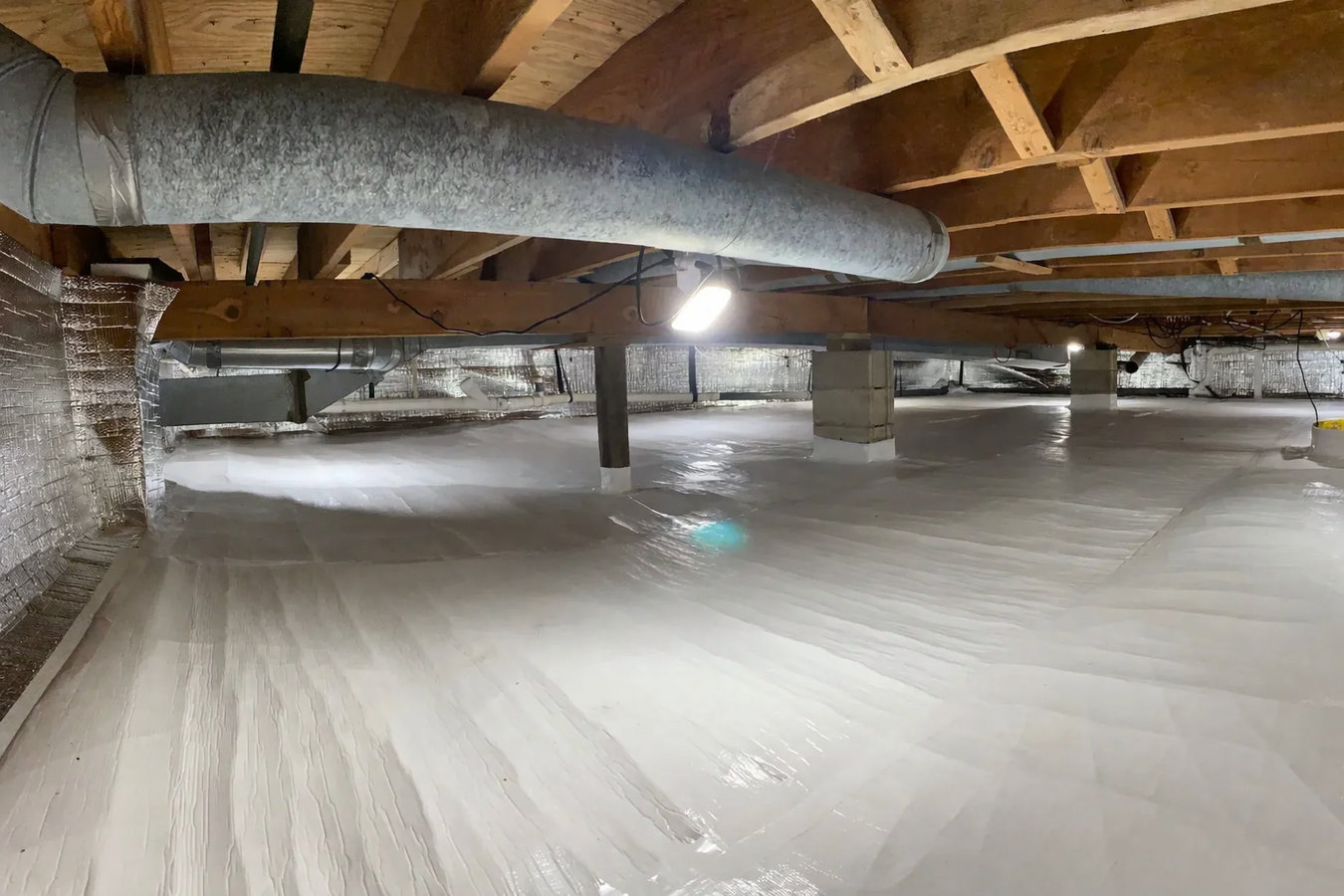
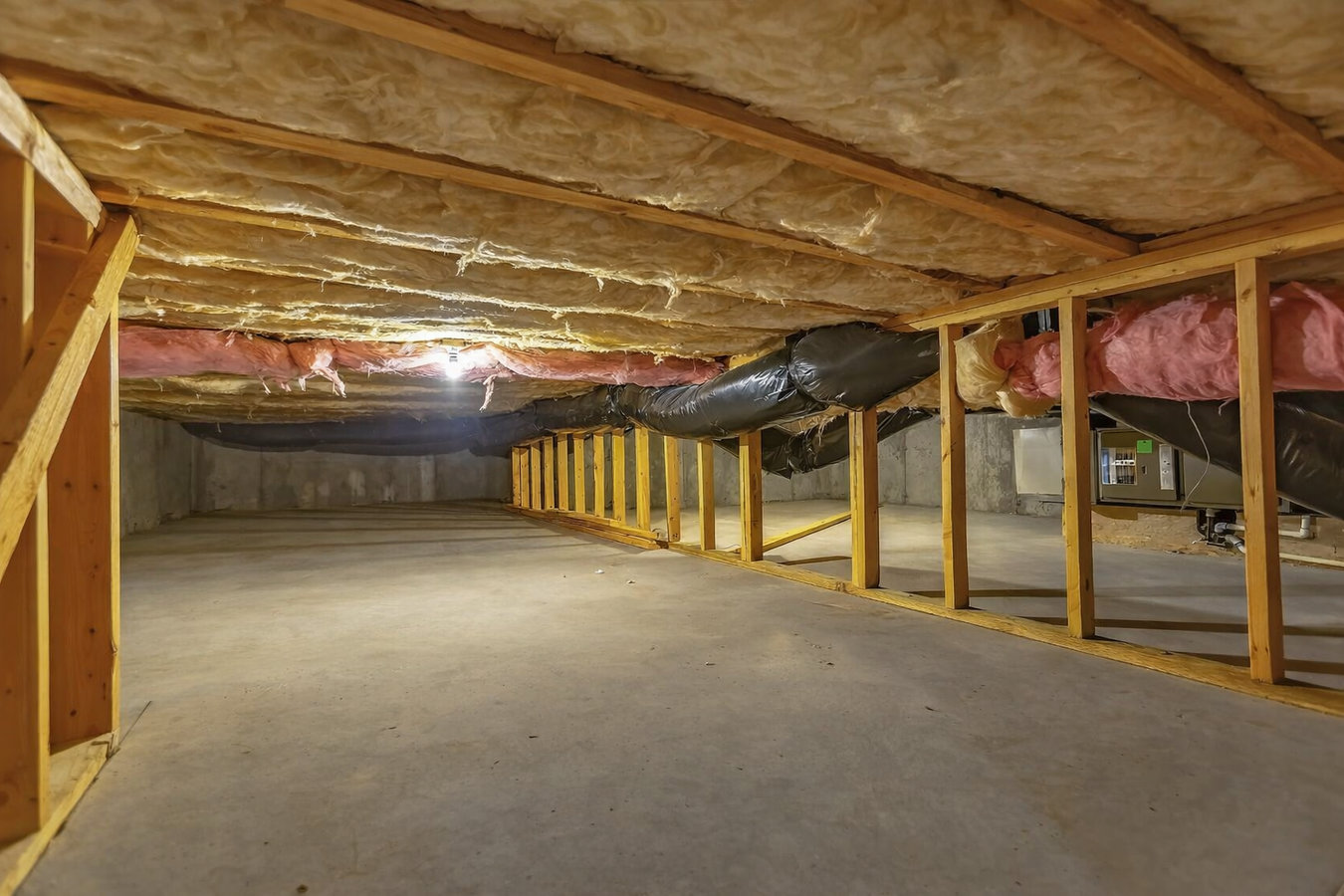
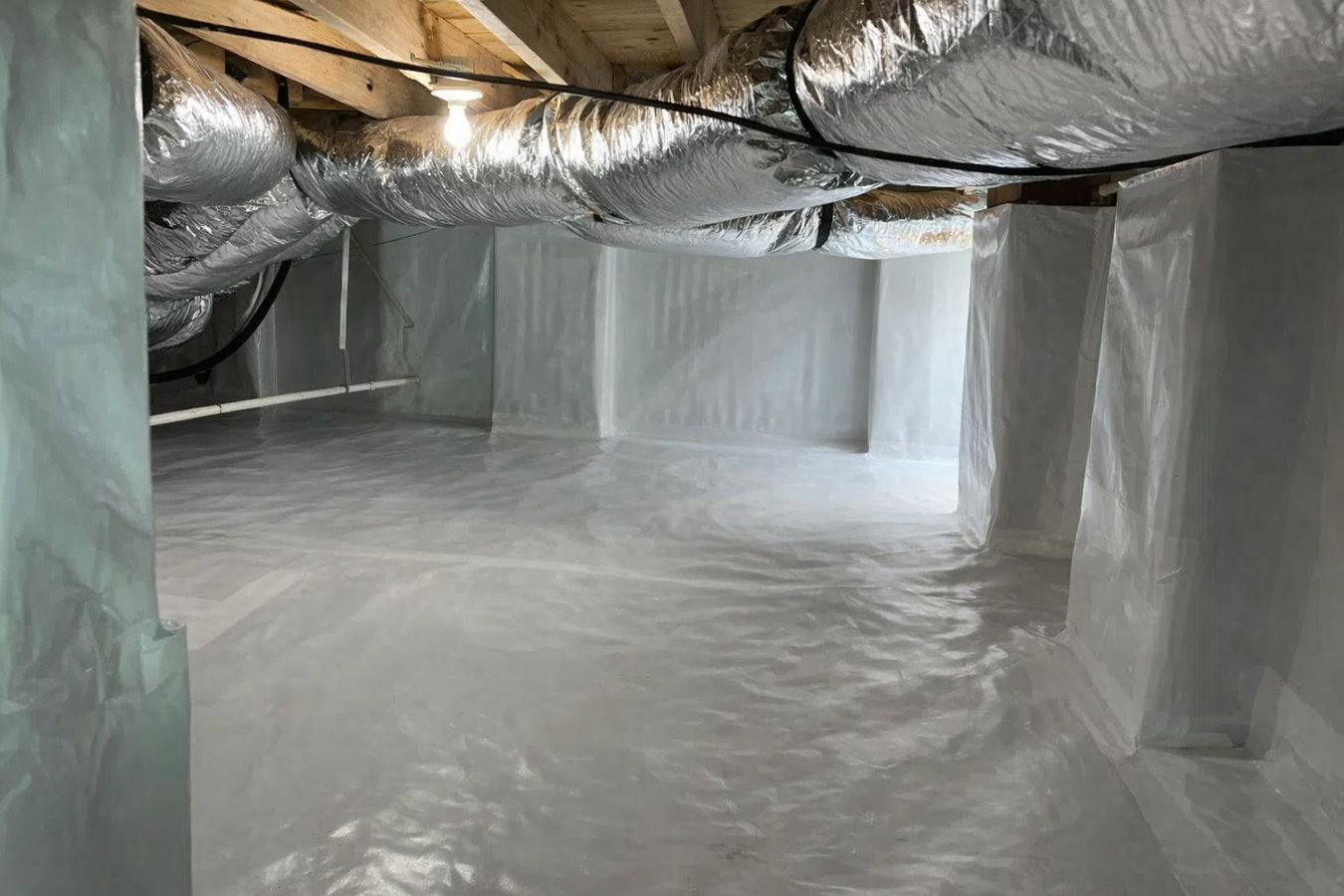
Cold floors and moisture problems often start below the house. Crawl space insulation stabilizes floor temperatures and keeps desert moisture from working its way up.
Learn More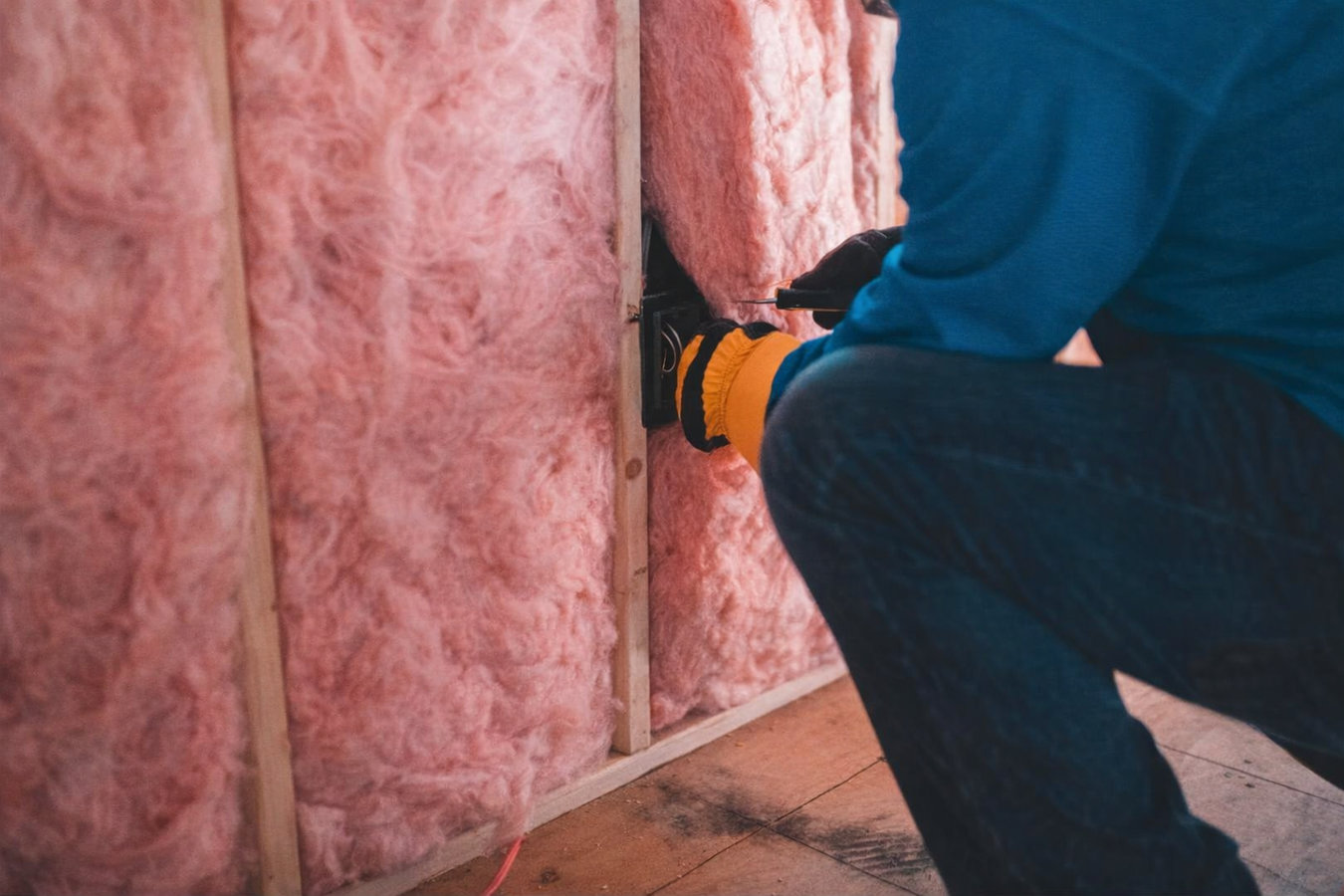
Walls built to 1990s code let heat in from every direction. Adding wall insulation reduces temperature swings room to room and cuts noise from outside.
Learn More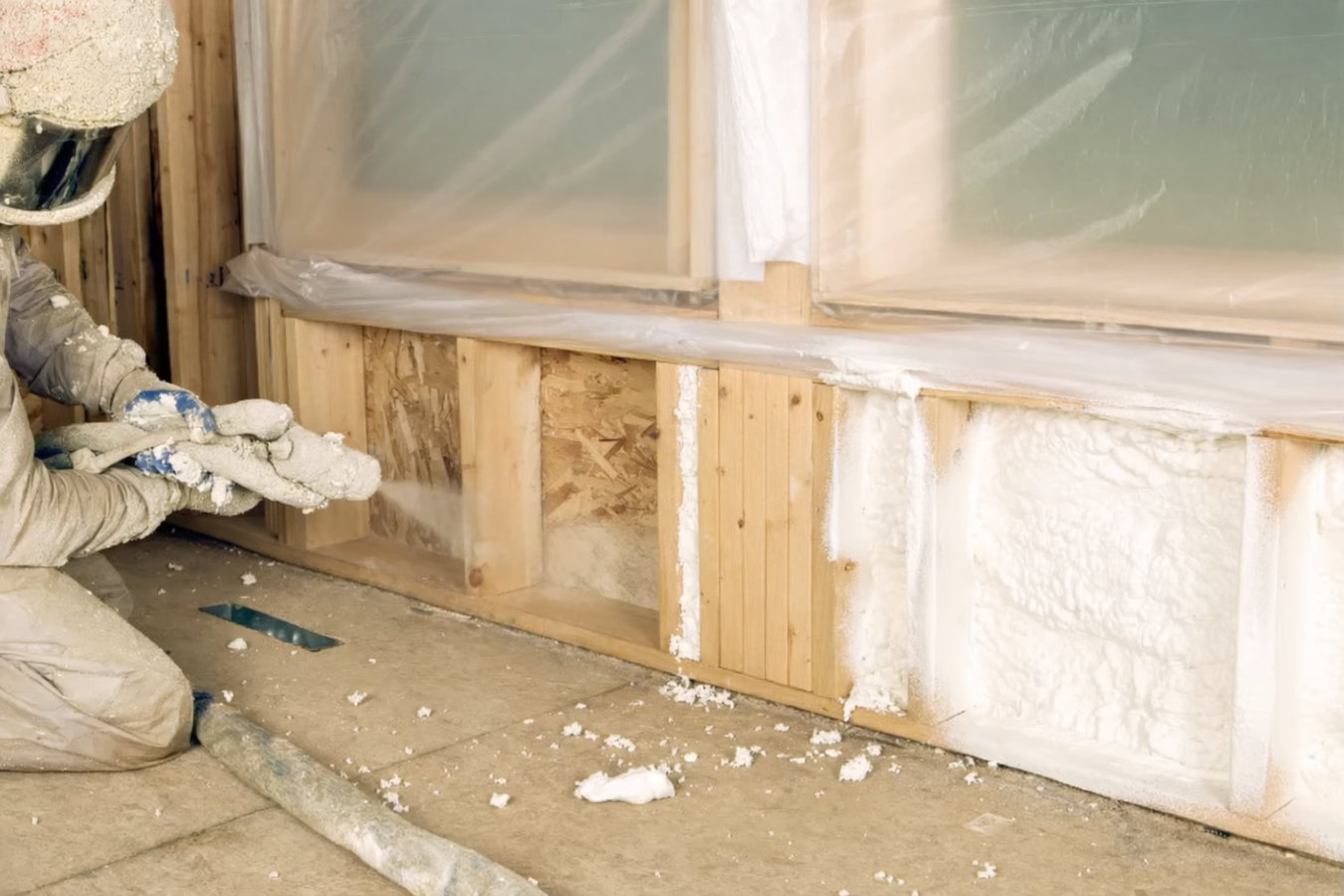
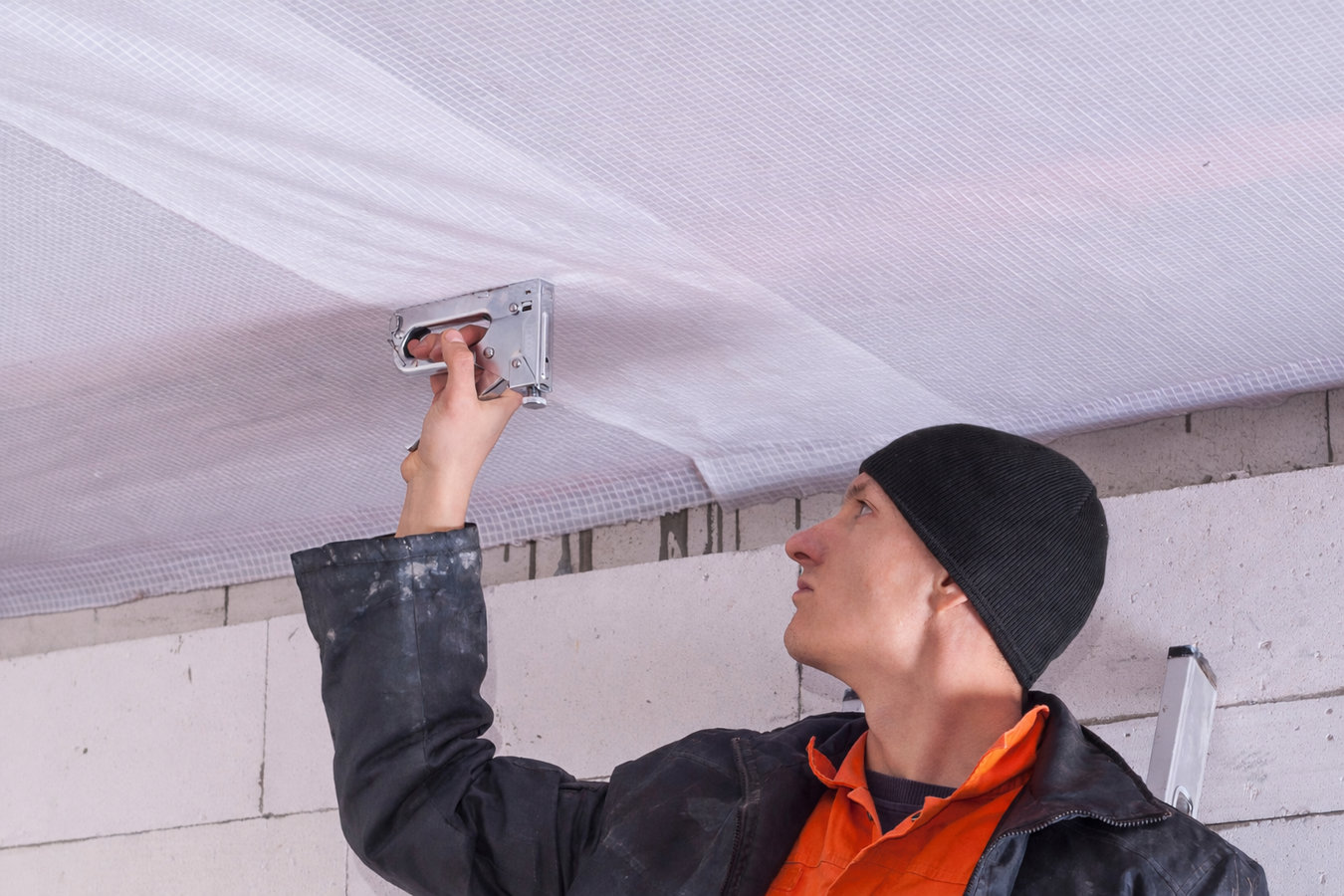
Palmdale's desert dust gets in through every gap around pipes and outlets. Air sealing closes those pathways so your HVAC isn't fighting the outdoors all day.
Learn MoreReach out by phone or use the contact form on this page. You will hear back within 1 business day to schedule a free on-site visit. No pressure to commit, no obligation on the call.
A technician visits your home, inspects your attic and other target areas, and measures what you currently have. You receive a written estimate that explains exactly what will be done, the materials being used, and the total cost before any work is scheduled.
The crew arrives on the scheduled day, completes the installation, and walks you through the finished work before leaving. Most jobs wrap up in a single day. You keep the written documentation for your records, rebate applications, or future home sales.
Our own experienced crews handle every project across the Antelope Valley. They know how Palmdale homes are built and document the work from start to finish.
Every estimate includes a physical walkthrough of your home. You get a written, itemized quote with no requirement to commit. We also help identify any SCE rebates you qualify for.
We have operated in the Antelope Valley since 2022 and have completed insulation work on homes across all 12 communities we serve. We know local permit requirements and utility programs.
If coverage is uneven or air sealing is incomplete after your job, we return to correct it at no additional charge. The guarantee is in writing and applies to every project.
Have questions before scheduling? Call (661) 450-6647 or send us a message.
The crew finished our attic insulation in one day and left everything cleaner than they found it. Our upstairs bedrooms are noticeably cooler this summer and the electric bill dropped by a real amount in the first month.
Marcus T., Lancaster - Attic Insulation
I had spray foam done in the garage ceiling and two exterior walls. They showed up on time, explained every step before starting, and the house holds temperature so much better now. The estimate matched the final invoice exactly.
Diana R., Santa Clarita - Spray Foam Insulation
Had the crawl space insulated and a vapor barrier put in. The cold floors in the front bedroom are gone. The estimator was straightforward about what we needed and did not try to upsell us on anything we did not ask for.
James K., Victorville - Crawl Space Insulation
We respond within 1 business day. This estimate comes with no obligation - if you decide not to move forward, there is no cost and no follow-up pressure. After you submit, someone from our office will call to schedule a free on-site visit so we can measure your space and give you an accurate written quote.
(661) 450-6647Palmdale Insulation is based in Palmdale, CA and serves 12 communities throughout the Antelope Valley and surrounding region, including Lancaster, Santa Clarita, Victorville, and Simi Valley. We schedule same-week appointments for most service areas and aim to respond to every inquiry within 1 business day.
Heat builds up in under-insulated attics and radiates straight down into living spaces. In Palmdale's 100-plus-degree summers, an attic can reach 150°F - turning your ceiling into a radiant heater that no air conditioner can outrun.
Yes, if your home has air leaks around outlets, pipes, or attic vents. Palmdale's desert winds push fine particulates through every gap they find. Air sealing closes those entry points, and blown in insulation fills the wall and attic cavities that let heat and particulates transfer through the building envelope.
Almost certainly. Homes built during Palmdale's growth boom were insulated to the code of that era, which is far below what California now recommends for the Antelope Valley's climate zone. Decades of settling make the gap even wider. The U.S. Department of Energy recommends checking insulation levels in homes older than 25 years.
closed cell foam insulation delivers roughly twice the R-value per inch and acts as a moisture barrier - the better choice for Palmdale's heat-intensive climate and any space with moisture exposure. Open-cell is a cost-effective option for interior walls and attics where air sealing is the primary goal.
A standalone attic top-up usually does not. But if insulation is part of a remodel, HVAC swap, or addition, California's energy code applies and a permit is likely required. The City of Palmdale Building and Safety Division handles residential permits, and your contractor should confirm requirements before work begins.
Southern California Edison offers rebates for qualifying attic insulation upgrades, and a federal tax credit covers up to 30% of qualifying material costs for eligible homeowners. Rebate rules change periodically, so confirm current offerings at sce.com/residential/rebates-savings before signing a contract.
For authoritative guidance on insulation standards, see the U.S. Department of Energy Insulation Guide.
Palmdale Insulation is a local attic insulation company based in Palmdale, CA, serving 12 communities across the Antelope Valley and surrounding Southern California region since 2022.
Every project starts with a free written estimate, and our experienced crews coordinate any permits your job needs before work begins. You get a documented record of the work from start to finish.
Since 2022, we have completed insulation installations across all 16 service types we offer, from single attic top-ups to whole-home spray foam and home insulation projects for residential and commercial clients.
Learn more about our team and service areaIf existing material is compressed, contaminated by rodents, or wet from a past leak, removal is the right first step. New insulation on top of damaged material traps the problem rather than solving it.
You get a fraction of the benefit. Air leaks allow heat to bypass the insulation entirely. Most energy auditors find that air sealing alone can reduce heating and cooling costs by 10 to 20 percent.
Federal recommendations for the Antelope Valley climate zone call for higher R-values than most coastal California homes. A contractor will measure what you have and compare it to current standards for your specific location.
For homes with significant air leakage or extreme heat exposure, often yes. Spray foam provides both insulation and air sealing in one application and does not degrade under normal conditions over decades.
For independent insulation guidance, the ENERGY STAR Seal and Insulate program is a reliable starting point. When you are ready to schedule a free estimate, call (661) 450-6647 or submit a request online.
Palmdale is one of the largest cities in Los Angeles County by land area, covering roughly 106 square miles in the high desert of the Antelope Valley at about 2,700 feet elevation. With around 169,000 residents as of the 2020 Census, it is a sizable city with a large share of owner-occupied single-family homes - the kind of housing stock where insulation upgrades make a real, measurable difference in comfort and cost.
The city has a well-known identity built around aerospace and defense. Just north of the city center, Plant 42 is a U.S. Air Force production facility where Lockheed Martin, Northrop Grumman, and Boeing have long-term operations. Many Palmdale families have ties to the aerospace industry and have owned their homes for years. These are homeowners who invest in keeping their properties in good condition - and who notice when something is not performing the way it should.
The housing stock in most of Palmdale's established neighborhoods was built during the city's rapid growth in the 1980s and 1990s. Homes near the city center and along established corridors are now 25 to 45 years old. The Antelope Valley California Poppy Reserve to the west draws visitors every spring, and the Toyota Amphitheatre is one of the region's best-known outdoor venues. Whether your home sits near the city center or in one of the newer developments toward Avenue S, we serve the whole city.
Palmdale's climate is genuinely demanding. Summer highs regularly exceed 100°F and winter nights drop below freezing. The National Weather Service climate data for Palmdale confirms that strong Antelope Valley winds are a regular seasonal feature, pushing desert dust through any gap in a home's exterior. Palmdale Insulation knows this climate well and recommends insulation and air-sealing approaches that are sized for it.
By appointment only, no walk-ins.
Palmdale Insulation
38322 6th St E #B
Palmdale, CA 93550
contact@palmdaleinsulation.com
Always open, 24/7.
Call (661) 450-6647 or request a free estimate online - we respond within 1 business day and serve all of Palmdale and the surrounding Antelope Valley.