Commercial Insulation
Full-building insulation for commercial and light industrial properties in the Palmdale area, including tilt-up and metal panel construction.
Learn moreServing Palmdale, CA and surrounding areas. (661) 450-6647
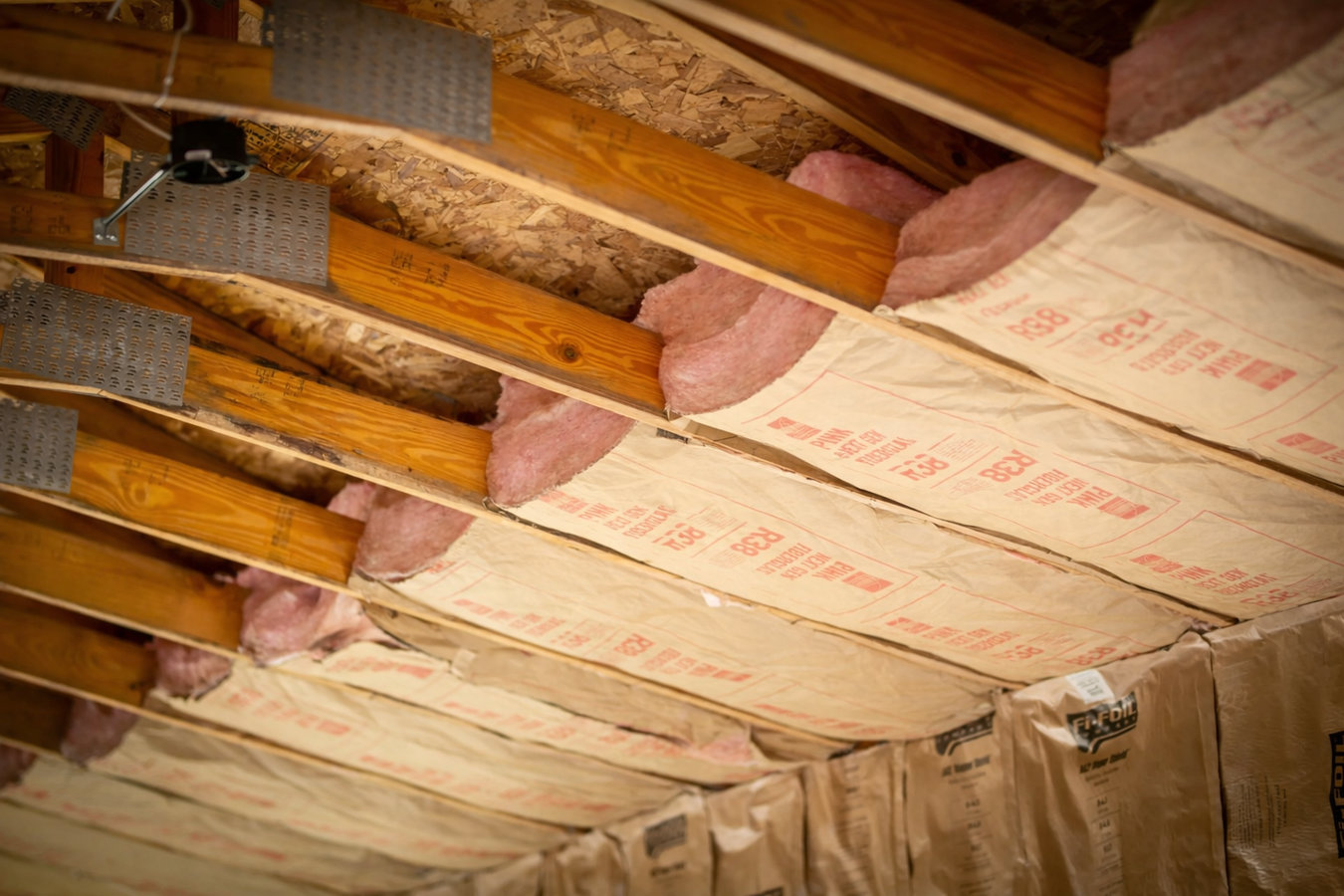
Most Palmdale homes built before 2005 are significantly under-insulated. A retrofit upgrade closes that gap, cuts utility bills, and makes your home noticeably more comfortable year-round.
Retrofit insulation in Palmdale means adding insulation to an existing home without tearing out walls or gutting rooms - most attic jobs finish in a single day and homeowners can stay in the house throughout.
Palmdale grew rapidly during the 1980s and 1990s, and a large share of the city's single-family homes were built during that era to the energy standards of the time. Those standards are well below what California now recommends for the Antelope Valley's climate zone, which swings from triple-digit summers to near-freezing winter nights. Retrofit insulation in Palmdale addresses that gap directly.
Retrofit work is often the right first step before other home improvements. It pairs well with a full home insulation assessment if you want to address attic, walls, and floors together, or with focused commercial insulation work if you also operate a business property in the area.
If your air conditioner runs almost continuously during Palmdale's triple-digit summer days but certain rooms still feel stuffy and hot, heat is getting in faster than your insulation can slow it down. Rooms directly under the roof are most affected, because an under-insulated attic acts like a heat collector sitting right above your living space. That problem does not get better until the insulation is upgraded.
Palmdale's climate is demanding in both directions. If your utility bills are noticeably higher than neighbors with similar-sized homes, insulation is one of the first things worth checking. Under-insulated homes force their heating and cooling systems to work much harder than necessary, and that extra effort shows up on every bill. A contractor can often give you a rough sense of how much you are losing just by looking at the attic.
The Antelope Valley's desert winds push fine Mojave dust through any gap in a home's envelope. If you are constantly wiping dust off surfaces despite keeping windows shut, air is finding its way in through gaps around attic hatches, recessed lights, and wall penetrations. A retrofit job done with proper air sealing closes those entry points, which is a benefit specific to Palmdale that most homeowners do not initially associate with insulation work.
Homes built during Palmdale's 1980s and 1990s growth boom were insulated to the standards of that era, which fall well short of what is now recommended for this climate zone. If your home has never had insulation added or upgraded, there is a very good chance the attic has less coverage than would make a meaningful difference. The age of the home alone is a reliable signal worth acting on.
Attic insulation is where most Palmdale homes see the greatest return, because heat rises and the roof is where the most energy escapes. We assess what is already there, seal air leaks before adding material, and bring coverage up to what California's energy code now recommends for this climate zone. Sealing first matters: blowing material over gaps is like putting a blanket over a broken window, and we do not skip that step.
Wall insulation retrofits are handled using dense-pack techniques that fill existing wall cavities through small drilled holes, restoring the walls and leaving the room interior intact. Floor insulation above unheated spaces like garages is another common application in Palmdale's two-story homes, where the floor between levels often has little or no coverage. Both are part of a complete home insulation approach when you want to address every area at once.
For business owners in the Antelope Valley, we also handle commercial insulation retrofits in tilt-up, metal panel, and older office buildings - using the same assessment-first approach we apply to residential work.
Best suited for homes where the primary heat loss or gain is through the roof - the most common upgrade we do in Palmdale.
For homeowners who want improved wall performance without opening up drywall or disrupting interior finishes.
Addresses rooms above garages or unheated crawl spaces that feel cold in winter and warm in summer.
Covers attic, walls, and floors in a single coordinated project for homeowners who want to address everything at once.
Palmdale sits at roughly 2,700 feet in the Antelope Valley, and the climate is genuinely demanding in both directions. Summer highs regularly exceed 100 degrees, and winter nights can drop below freezing. That means your insulation has to work hard year-round, not just in one season. Homes that are under-insulated here do not just have a comfort problem in July; they are also losing heat on cold January nights, which drives up energy bills on both ends of the calendar.
California's Title 24 energy code sets minimum requirements for insulation work in residential buildings, and permits are required for many types of retrofit projects. That is actually good news: it means the work is inspected and documented, which protects your investment and matters when you sell. Southern California Edison and SoCalGas both serve Palmdale and offer rebates for qualifying insulation upgrades. The federal energy-efficiency tax credit adds another layer of savings on top, covering up to 30% of qualifying project costs.
We work throughout Palmdale and the surrounding Antelope Valley, including homeowners in Lancaster, Victorville, and Hesperia who deal with the same high-desert conditions. The housing stock across all of these communities skews toward the same 1980s and 1990s construction era, and the insulation deficits are consistent.
We will ask a few basic questions about your home - its size, age, and what is prompting your call - and schedule an on-site assessment. We reply to all requests within one business day, and the assessment visit costs you nothing.
A contractor visits your home, checks the attic and any other target areas, measures existing coverage, and looks for air leaks that need sealing first. A thorough assessment takes 30 to 60 minutes, and you will hear exactly what was found before any recommendation is made.
You receive a written estimate that breaks down materials, scope, and total cost, with no surprises. If a permit is required, we explain the process and handle it on your behalf. You should never feel rushed to sign - take time to compare quotes if you are getting more than one.
The crew arrives with equipment and completes most attic jobs in a single day. Before they leave, they walk you through what was done, show you the coverage, and answer any questions. You will notice the difference the first hot or cold stretch after the work is complete.
Free estimate, no obligation. We will check your attic, tell you what we find, and give you a written quote you can compare. No sales pressure.
(661) 450-6647Every retrofit job starts with air sealing, not just adding material on top of gaps. Blowing insulation over an unsealed attic hatch or recessed light is a shortcut that wastes your money and reduces real-world performance. We check and seal first, then bring coverage up to the recommended level.
We handle all required permits through the City of Palmdale and the relevant California agencies. Inspected work is documented work, and that documentation matters at resale. A contractor who talks you out of pulling a permit is protecting themselves, not you.
Palmdale's climate zone requires different coverage levels than coastal Southern California. We work here regularly and understand what the Department of Energy recommends for attics in this region, as well as what the California Energy Commission requires for permitted work.
We are familiar with current SCE and SoCalGas rebate programs and the federal energy-efficiency tax credit. We will tell you what you qualify for before you commit to anything, help with the required documentation, and make sure you are not leaving money on the table.
Retrofit insulation done correctly is one of the most cost-effective upgrades a Palmdale homeowner can make. We do the assessment honestly, seal before we insulate, pull the required permits, and help you capture every rebate dollar available. The Building Performance Institute defines this whole-building approach as the right way to improve a home's energy envelope, and it is the standard we hold ourselves to on every job.
Full-building insulation for commercial and light industrial properties in the Palmdale area, including tilt-up and metal panel construction.
Learn moreWhole-home insulation assessment and installation for Palmdale homeowners who want to address every area in a single coordinated project.
Learn moreSummer in the Antelope Valley comes fast. Book your free assessment now so your home is ready before the heat season drives up your bills.