Crawl Space Insulation
After removal, a clean crawl space gets proper insulation that keeps floors warm in winter and cool in summer.
Learn moreServing Palmdale, CA and surrounding areas. (661) 450-6647
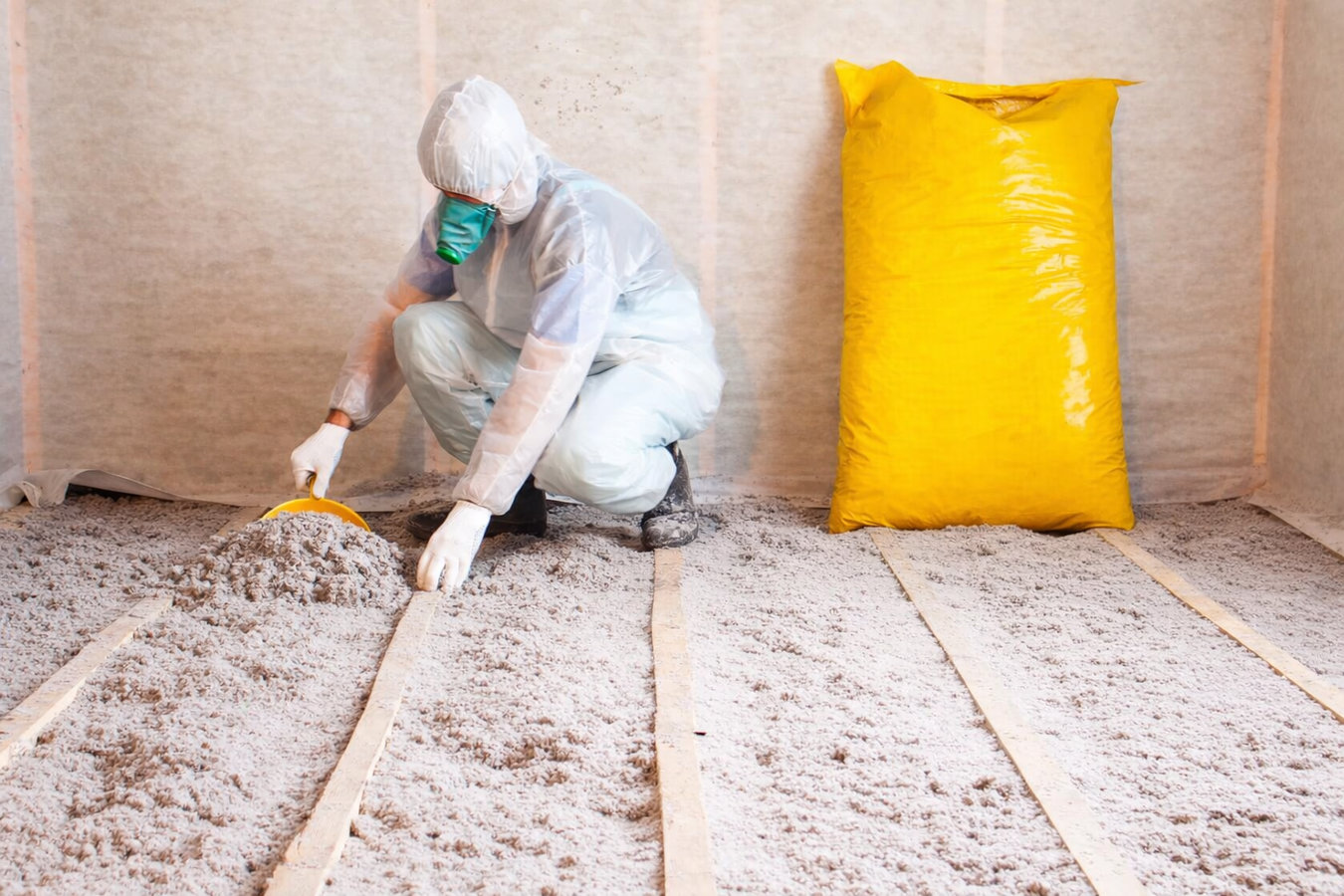
Old, contaminated, or rodent-damaged insulation has to come out before your home can perform properly. We remove it safely, clean up completely, and get you ready for a fresh start.
Insulation removal in Palmdale involves physically extracting old, degraded, or contaminated material from your attic, crawl space, or walls and hauling it away - most standard attic jobs are completed in a single day and leave the space clean and ready for fresh insulation.
If your home was built in the 1970s or 1980s, there is a reasonable chance the original insulation has never been replaced. Palmdale summers regularly push past 100 degrees, and that kind of sustained heat accelerates the breakdown of insulation faster than in milder climates. Once it compresses, gets wet, or gets contaminated by rodents, covering it with new material does not solve the problem - it just buries it.
Removal is often the first step before a crawl space insulation upgrade or a full retrofit insulation project - getting the old material out properly makes everything that follows perform the way it should.
If your air conditioning runs longer and your electric bills keep rising without any obvious change in habits, your insulation may have failed. In Palmdale's intense summer heat, thin or compressed insulation lets cool air escape quickly and forces your system to work overtime. This is one of the most expensive signs that something needs to be done.
A persistent musty or ammonia odor coming from your ceiling or vents often means insulation has been contaminated by moisture, mold, or animal activity. In the Antelope Valley, rodent infestations in attic insulation are common enough that this smell should be taken seriously. Once insulation is contaminated this way, it needs to come out - not just be cleaned.
Droppings in the attic, scratching sounds at night, or signs of nesting are all signals that your insulation has likely been compromised. Rodents burrow through insulation and their waste makes it unsafe to leave in place. This is a situation where removal is the right call - not a patch job.
Homes built in Palmdale during the 1970s and early 1980s often have original insulation that is now four or five decades old. At that age, the material has almost certainly compressed and lost most of its effectiveness. Some of it may also contain materials no longer considered safe - a reason to have it professionally assessed before any work begins.
We handle the full removal process from assessment to cleanup. Before any work starts, we inspect the space and check for signs of hazardous materials, moisture damage, or pest contamination - because the preparation matters as much as the removal itself. We do not skip steps to rush the job.
For attic removal, we use industrial vacuums that pull loose material through a hose running directly to a truck or trailer outside, which keeps dust and debris out of your living space. Batts and rolls are bagged and carried out by hand. We seal off the work area with plastic sheeting before we start. When the material is out, we clean the space thoroughly - no clumps left in corners, no debris scattered across floor joists.
Crawl space removal follows a similar process, with extra attention to vapor barriers and any ground-level material that needs to come out before fresh insulation goes in. After removal, many homeowners move directly into a crawl space insulation installation or a full retrofit insulation project - often with the same crew on the same day.
Suited for homes with old, compressed, or contaminated blown-in or batt insulation in the attic.
Ideal when existing material has been disturbed by pests, moisture, or decades of shifting soil.
Required when animal activity has made the insulation a health hazard, not just an efficiency problem.
Prepares the space for a new installation by removing all existing material and debris before fresh insulation goes in.
Palmdale sits in the Antelope Valley at roughly 2,700 feet elevation, and the combination of extreme heat, cold winters, and persistent high winds creates conditions that degrade insulation faster than in most California cities. Summer temperatures regularly exceed 100 degrees for weeks at a time, which dries out older blown-in material until it compresses and loses most of its insulating value. That same heat accelerates any moisture or mold problem that was quietly developing in a poorly ventilated attic.
The Antelope Valley also has a persistent rodent problem that affects homes throughout the region. Roof rats and mice are drawn to attics for shelter, and once they have nested in insulation, the material is contaminated in ways that cannot be reversed by cleaning. This is a real health concern, not just an energy efficiency issue. If your home is in an established neighborhood near Lancaster or out toward Victorville, the conditions are similar throughout this part of the high desert.
California also sets specific rules about how certain hazardous materials must be handled and disposed of - rules that go above and beyond what other states require. We follow those disposal rules on every job and document the work as we go. Homeowners in Santa Clarita and across the region get an experienced local crew that knows how to handle old or contaminated material the right way.
We respond within 1 business day. You will be asked about your home size, where the insulation is located, and whether you have noticed odors or pest activity - so we show up to the estimate prepared.
We inspect the attic, crawl space, or wall cavities, check for hazardous materials, and walk you through what we found in plain terms. You get a written estimate before any work is agreed to. No pressure to decide on the spot.
The crew seals off the access point with plastic sheeting, uses industrial vacuums to pull material out through a hose to the truck outside, and bags any batts by hand. Dust and debris stay contained, not spread through your home.
After removal, we clean the space thoroughly and do a final walkthrough with you. We also point out any gaps, cracks, or pest entry points we noticed while the space was open - so you know what to address before new insulation goes in.
We respond within 1 business day. There is no obligation to proceed after the estimate - you will receive a written quote and a clear explanation of what we found. After you submit, someone from our office calls to schedule a free on-site visit.
(661) 450-6647California sets specific rules for handling certain removal work, including materials found in older homes. We know those rules and when a specialist is needed - and we tell you that upfront during the estimate visit.
We use plastic sheeting to seal off work areas and industrial vacuums to pull material outside through a dedicated hose. Your living space stays clean during the job, and we haul all material away when we leave. You should not be cleaning up after us.
Single-story attic removal is typically completed in four to eight hours. We give you a realistic timeframe before we start and stick to it. You do not need to vacate - just keep children and pets away from the work area.
We work throughout Palmdale and the surrounding Antelope Valley, including older neighborhoods and newer developments on the city's edges. We know what conditions to expect in homes from different eras and build our process around that knowledge.
Insulation removal is not a glamorous job, but it is one that has to be done right. We take the containment, disposal, and cleanup seriously because those details protect both your home and your family. The U.S. Department of Energy recommends addressing degraded insulation promptly to avoid continued energy loss and indoor air quality issues.
After removal, a clean crawl space gets proper insulation that keeps floors warm in winter and cool in summer.
Learn moreRemoval opens the door to a full retrofit upgrade - new materials, better coverage, and energy performance that meets today's standards.
Learn moreOld or contaminated insulation only gets worse over time - reach out now and we will assess your home and give you a clear plan for getting it right.