Blown-in insulation
The most common installation method for existing Palmdale attics - pumped in to achieve complete, even coverage across irregular layouts.
Learn moreServing Palmdale, CA and surrounding areas. (661) 450-6647
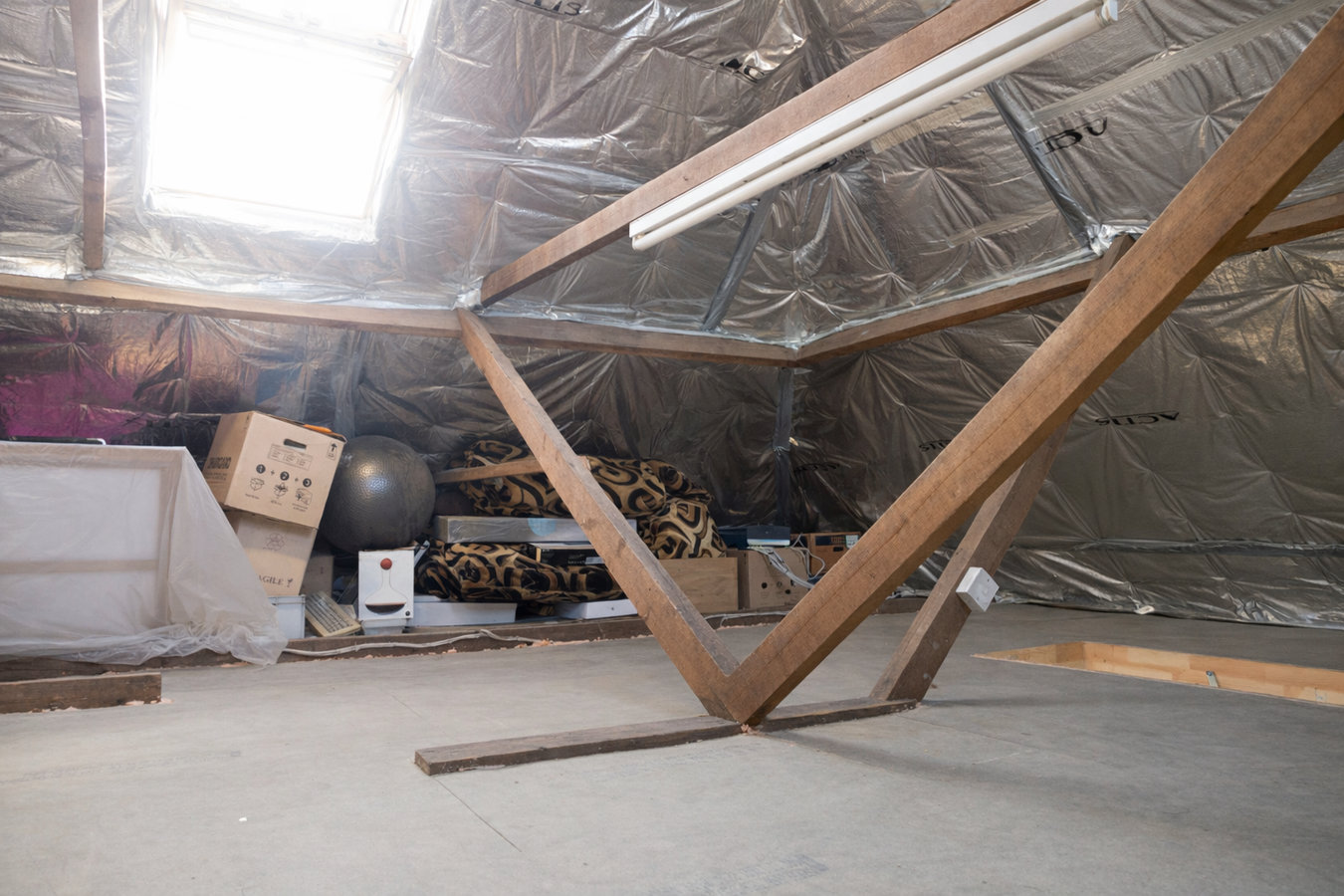
When your attic is under-insulated, summer heat pours straight into your living space. Proper attic insulation stops that heat at the source so your AC does less work and your rooms stay comfortable all day.
Attic insulation in Palmdale, CA acts as a thermal barrier between the scorching high-desert heat above your ceiling and the living space below - most residential jobs complete in a single day and begin reducing energy use immediately.
Palmdale sits at roughly 2,700 feet in the Antelope Valley, where summer temperatures routinely exceed 100°F. Without adequate attic insulation, that heat pushes straight down into your home, forcing your air conditioner to run nonstop just to hold the temperature. The result shows up every month on your Southern California Edison bill.
Attic insulation also works alongside other improvements. Homeowners who need to address both temperature and air movement often combine an insulation upgrade with attic air sealing to close the gaps that let hot air in even after insulation is added.
If your AC runs for hours but upstairs rooms or hallways still feel stuffy and warm, heat is likely pouring in through an under-insulated attic. In Palmdale, a poorly insulated attic can raise the temperature of the space just below your ceiling by 20 degrees or more.
If your electricity bill has crept up year over year without any change in habits or appliances, your attic insulation may have thinned, settled, or been disturbed. Comparing three or four summers of bills side by side is a quick way to confirm the trend.
Peek up through your attic hatch with a flashlight. If you can clearly see the tops of the framing members running across the floor, your insulation is too thin. Adequate insulation should cover those beams completely. This is one of the easiest self-checks a homeowner can do.
Palmdale grew rapidly during those decades, and those homes were insulated to standards that are now considered inadequate. Decades of settling, temperature cycling, and possible pest activity take a toll on the original material. If no work has been done, the odds are high it is underperforming.
Palmdale Insulation installs blown-in loose-fill insulation and batt insulation in attics across Palmdale and the wider Antelope Valley. Blown-in is the most common choice for existing homes because it covers the entire attic floor evenly and fills corners and odd-shaped spaces that batts cannot reach. For homes with accessible attics and standard framing, batts can also be a practical option.
Every attic job includes an assessment of air-sealing needs before insulation is added. Laying new insulation over gaps around light fixtures, vents, and electrical boxes leaves most of the energy savings on the table. We seal those penetrations first, then bring the insulation level up to the recommended depth for this climate zone.
For homes where the attic insulation has been contaminated - by wildfire smoke, rodent activity, or water intrusion - we also handle blown-in insulation removal and replacement as a combined service.
Pumped in through a hose for complete, even coverage across irregular attic layouts common in 1980s–1990s Palmdale tract homes.
Pre-cut blankets laid between framing - a practical choice for accessible attics with standard joist spacing.
Seal gaps and penetrations first, then add insulation depth - the approach that captures the full energy-saving potential.
Full removal of contaminated or degraded material before installing fresh insulation for homes that have dealt with pests, moisture, or smoke.
The Antelope Valley's heat load is not comparable to coastal Southern California. Daily temperatures in July and August regularly clear 100°F, and while most California cities see modest overnight cooling, Palmdale's high desert elevation means those nights still drop into the 60s - a 30 to 40 degree daily swing that cycles stress through every building material above your ceiling line.
A large portion of Palmdale's housing was built during the city's growth surge in the 1980s and 1990s. Homes from that era were insulated to the standards of the time, which are well below what California now recommends for this climate zone. If your home went up during that period and the attic has never been touched, the insulation is almost certainly undersized. We serve homeowners across Palmdale and in surrounding communities, including Victorville and Hesperia.
Southern California Edison and Southern California Gas Company both offer rebates for qualifying attic insulation upgrades, and most older Palmdale homes are eligible. The ENERGY STAR federal tax credit program may also apply to your project - ask about both before you sign anything, since some programs require pre-approval.
We respond within 1 business day. The first conversation is short - we ask about your home's age and what is prompting the call. No commitment required.
We go up into your attic with a flashlight and measuring tool, check what is already there, look for air gaps, moisture, or pest damage, and walk you through the findings before we leave.
You receive a written, itemized estimate covering materials, labor, and any prep work. We include which SCE or SoCalGas rebates you may qualify for so you know your net cost.
Most attic jobs finish in a single day. You can be home the whole time. We clean up and show you the finished coverage before the crew leaves - or share photos if the space is difficult to access.
We respond within 1 business day. There is no obligation after your estimate. Once you submit, someone from our office will call to schedule a free on-site attic assessment at a time that works for you.
(661) 450-6647Every attic job comes with a written record of what we found, what we installed, and what it cost. You receive documentation before work starts - not after you ask for it.
Palmdale's climate zone requires more insulating depth than most of California. We bring the knowledge of what is required here specifically, not a generic one-size-fits-all approach.
No verbal quotes that shift when the invoice arrives. You receive a written, itemized estimate with a clear breakdown. The number you agree to is the number on the final invoice.
We know which utility rebate programs are active for Palmdale residents right now. We walk you through eligibility before your project starts - so you do not miss a rebate because you asked too late.
Attic insulation is one of the highest-return home improvements for Antelope Valley homeowners - and the North American Insulation Manufacturers Association consistently lists attic upgrades among the fastest-payback energy improvements for homes in hot climates. The combination of lower bills, more comfortable rooms, and potential rebates makes it one of the clearest decisions a Palmdale homeowner can make.
The most common installation method for existing Palmdale attics - pumped in to achieve complete, even coverage across irregular layouts.
Learn moreSeal the gaps and penetrations that let hot air bypass your insulation - often the missing step that explains why insulated attics still underperform.
Learn moreCall today for a free on-site estimate. Most Palmdale attic projects can be assessed and scheduled within the same week.