Palmdale Insulation is your local insulation contractor serving Palmdale, CA with home insulation, attic insulation, and spray foam services — backed by 4+ years serving Antelope Valley homeowners and a guaranteed response within one business day. If your Palmdale home was built in the 1980s or 1990s, the original insulation is likely undersized for today's energy costs. We assess what you have, tell you what needs attention, and complete the work without disrupting your day.

Palmdale spans roughly 102 square miles at about 2,655 feet elevation in the Antelope Valley portion of the western Mojave Desert. The city grew from just 12,000 residents in 1980 to more than 164,000 today, driven by affordable home prices relative to the greater LA Basin and the direct SR-14 freeway connection over the San Gabriel Mountains. That growth wave produced block after block of single-family homes built primarily between the mid-1980s and early 2000s — now 25 to 40 years old and showing their age in energy performance.
Neighborhoods like Rancho Vista, West Palmdale along 10th Street West, and the communities east of Sierra Highway toward Lake Los Angeles are dense with tract homes that share similar construction details: vented attics, 2x4 exterior walls, and original fiberglass batts that have settled or been compromised. The city anchors around the Antelope Valley Mall on McFarland Avenue and the aerospace campus at U.S. Air Force Plant 42 — a working industrial facility that gives Palmdale a working-class and technical-professional character unlike most LA suburbs.
Nearby Lancaster, CA shares similar climate and housing stock, and we serve both cities. Palmdale's nearly 40-minute average commute means most homeowners are time-pressed and need a crew that shows up on time and finishes in one visit.
Palmdale homes built before 2005 were often insulated to standards well below today's Title 24 Climate Zone 14 requirements. A whole-home assessment identifies every zone of heat loss — attic, walls, crawl space — and we prioritize the upgrades that will reduce your summer cooling bills fastest.
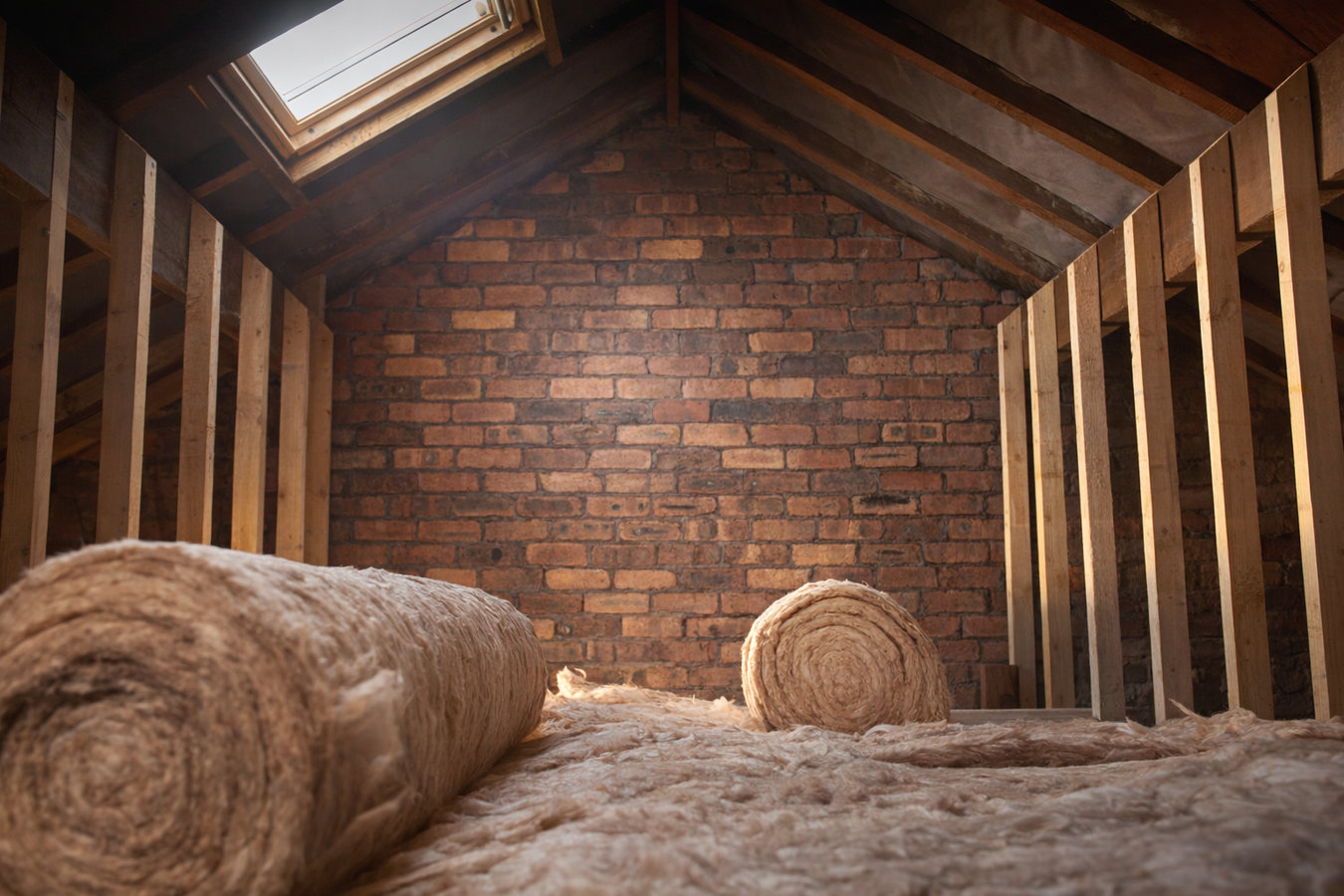
In a Palmdale summer, an uninsulated or under-insulated attic can reach 160°F, radiating heat into the living space below all afternoon and evening. Adding blown-in insulation to reach R-49 or higher is the single highest-impact improvement most Palmdale homeowners can make to their home's energy performance.
Palmdale's desert winds — which regularly gust through the Tehachapi Pass — push outside air into homes through any gap they can find. Air sealing the attic floor before adding insulation can cut infiltration by 30–50%, meaning your AC unit runs less and your indoor air stays cleaner during the high-dust months.
Closed-cell spray foam is the best option for rim joists, garage ceilings below living space, and roof deck applications in Palmdale homes converting to a conditioned attic. The foam insulates and air-seals in one pass, and its rigid structure resists the pest-driven damage that commonly affects loose-fill and batt products in desert-edge homes.
Some Palmdale properties — particularly older homes in areas south of Avenue P and those near the wash corridors — have vented crawl spaces that become pest highways and lose significant heat through the floor. Insulating the floor joists and installing a vapor barrier addresses both problems at once.
Palmdale's rodent and pest pressure means attic contamination is more common here than in coastal areas. When rodents have nested in attic insulation, the old material must be removed and the area sanitized before new insulation can be installed effectively and safely.
Palmdale's climate is unlike anything in coastal Southern California. Sitting at 2,655 feet in the Mojave Desert, the city sees summer highs above 100°F from June through September and genuine winter cold — frosts from November through February, and occasional snow in the neighborhoods above 3,000 feet along the Angeles National Forest edge. That swing from blistering summer to freezing winter creates a year-round insulation demand that homes in Pasadena or Burbank simply do not face.
The Antelope Valley's prevailing winds compound the problem. Air moves through the mountain passes into the valley year-round, and that wind pressure finds every gap in older homes. Leaky attic bypasses — the penetrations around light fixtures, plumbing, and HVAC chases — account for most of the air change in a typical 1990s Palmdale house. Adding insulation without sealing those bypasses first is like insulating over a broken window.
California's Title 24 Building Energy Efficiency Standards set R-38 as the minimum for existing attics in Climate Zone 14, with R-49 the practical target for new installations. Most Palmdale homes built before 2000 have R-19 or less in the attic — less than half the current minimum. The gap between what most homes have and what they need explains why utility bills in the Antelope Valley are consistently higher than comparable-size homes in milder California climates.
We pull permits through the City of Palmdale Building and Safety Division regularly and know which project types trigger a permit requirement and which do not — something that saves homeowners from unexpected delays. The Division's offices on East Palmdale Boulevard are where we file documentation for attic conversions, spray foam roof deck applications, and commercial tenant improvements.
Most of our Palmdale work is concentrated in the large residential tracts west of Sierra Highway — neighborhoods off Avenue P, Rancho Vista Boulevard, and the subdivisions along 30th Street West — where homes from the 1987–1996 building boom share nearly identical framing details. Knowing the typical truss spacing, duct routing, and insulation access points in these homes means our crews work faster and cause less disruption than crews unfamiliar with this specific building stock.
We also serve the communities east of Palmdale, including Lake Los Angeles and the neighborhoods along E. Avenue P, and the older homes in the original Palmdale townsite near the Littlerock corridor. Those areas have a different mix of house ages and foundation types that require a different assessment approach.
We respond to every inquiry within one business day. During the call we ask about your home's age, the areas of concern, and any utility bill history you can share — this lets us prepare for the site visit rather than starting from scratch on arrival.
We inspect the attic, walls, crawl space, and any other relevant areas and measure the existing insulation depth and condition. You receive a written estimate before we leave — no follow-up call required, no pressure to decide on the spot.
Most attic jobs in Palmdale are completed in a single day. Our crew handles all equipment setup and cleanup. For blown-in attic work, you do not need to leave the house; spray foam applications require a 24-hour vacate period we will confirm in advance.
Before we leave, we walk through the completed work with you, provide installation documentation for utility rebate applications, and confirm any permit sign-off steps if applicable. Questions after the job are answered directly — no call center.
We respond to every Palmdale inquiry within one business day. The on-site assessment is free, the estimate is written and itemized, and there is no obligation to proceed. Submit the form or call us directly to get started.
(661) 450-6647Spray foam creates an air-tight thermal barrier that stops heat transfer and air infiltration in walls, attics, and crawl spaces.
Learn moreProper attic insulation reduces heat gain in summer and heat loss in winter, easing the load on your HVAC system year-round.
Learn moreBlown-in insulation fills irregular cavities and hard-to-reach spaces with a seamless layer of thermal protection.
Learn moreWhole-home insulation assessments and installations address every zone of heat loss to improve comfort and lower utility bills.
Learn moreOld, damaged, or contaminated insulation is safely extracted before new material is installed for maximum performance.
Learn moreInsulating the crawl space floor and rim joists keeps floors warmer, reduces moisture intrusion, and cuts energy costs.
Learn moreRetrofit and new-construction wall insulation controls heat flow and reduces noise transmission between interior spaces.
Learn moreAir sealing closes gaps, cracks, and penetrations that allow conditioned air to escape and outside air to enter your home.
Learn moreInsulating basement walls and rim joists prevents cold floors above and protects pipes from temperature extremes.
Learn moreClosed-cell spray foam delivers the highest R-value per inch and acts as both an air barrier and a vapor retarder.
Learn moreOpen-cell spray foam is a cost-effective choice for interior walls and attics where a vapor-permeable barrier is preferred.
Learn moreSealing attic bypasses before adding insulation prevents warm air from rising into the attic and greatly reduces energy waste.
Learn moreA heavy-duty vapor barrier on crawl space floors blocks ground moisture from entering the structure and damaging insulation.
Learn moreVapor barrier installation in walls and floors controls moisture movement to prevent mold growth and insulation degradation.
Learn moreRetrofit insulation upgrades existing homes with modern materials without the need for extensive demolition or reconstruction.
Learn moreCommercial insulation services cover warehouses, office buildings, and industrial facilities to meet code and reduce operating costs.
Learn moreServing these cities and communities.
Summer attic temperatures in Palmdale peak in July and August — schedule your free insulation assessment now before the hottest weeks arrive.