Why Simi Valley properties need an insulation contractor who understands local conditions
Simi Valley sits in an inland valley with the Santa Susana Mountains to the south and rolling hills on three sides. That geography blocks the marine layer that keeps coastal communities cooler, so summer afternoons here regularly climb to the mid-90s, and temperatures above 100 are not unusual in July and August. The city gets roughly the same intense sun exposure as other Southern California inland valleys, and roofing materials, exterior caulk, and stucco all degrade faster here than in communities closer to the ocean.
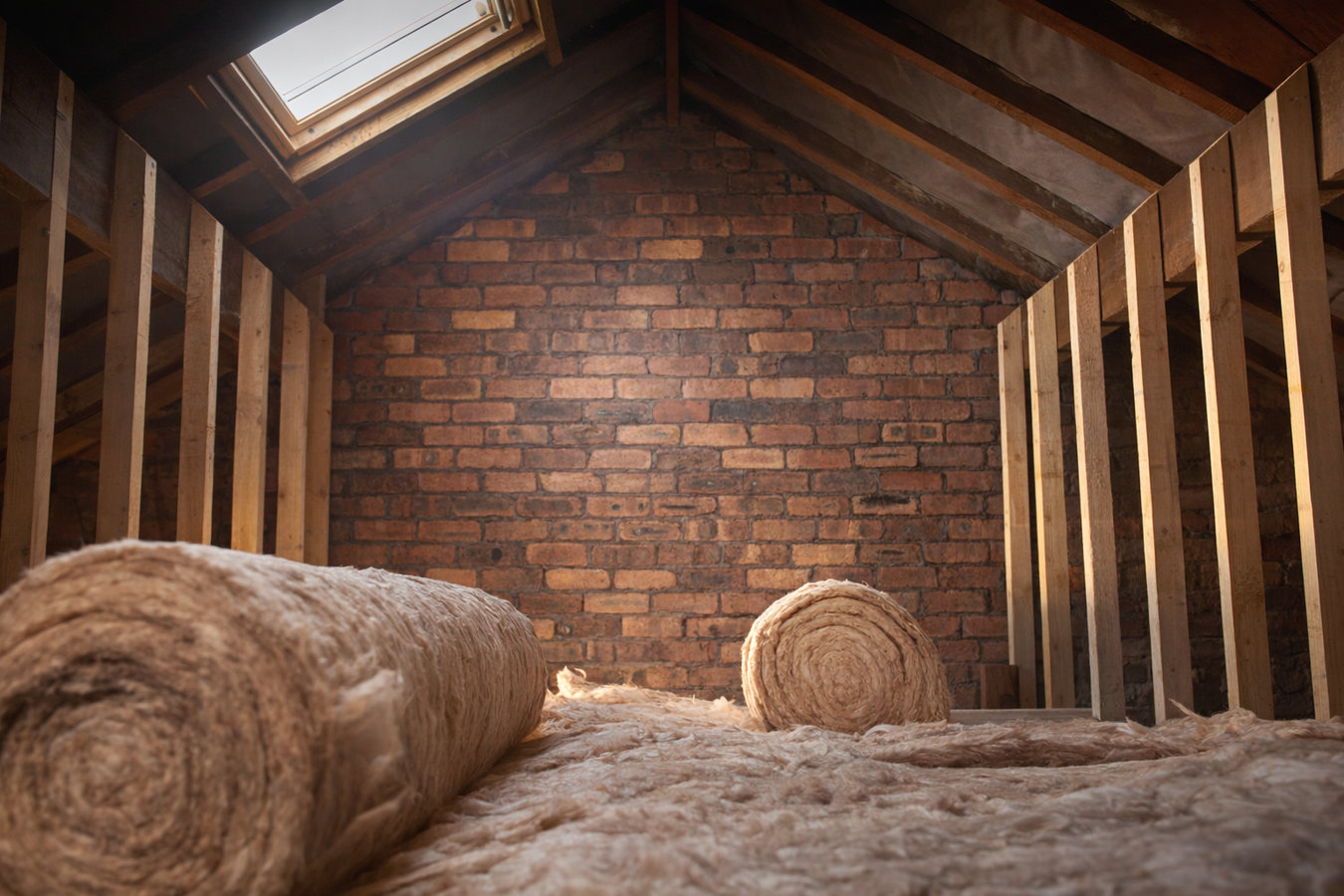
Most of Simi Valley incorporated in 1969 and grew rapidly through large-scale tract development in the 1960s, 1970s, and 1980s. The majority of homes in the city date from that period, which means many are now 40 to 60 years old. Homes of that era were built to the minimum insulation standards then in effect, and those standards fall well short of what California currently recommends for this climate zone. On top of that, fiberglass batts and blown-in loose fill compress over decades, so original material that was considered adequate at the time may now perform at a fraction of its rated value.
Wildfire risk is a real factor in Simi Valley. The hills surrounding the city create fire corridors, and the area has experienced significant fire events, including the Easy Fire in 2019 that burned near residential neighborhoods. Even homes not directly threatened can accumulate smoke and ash in attic spaces over time, which can degrade insulation and affect indoor air quality. A contractor familiar with these conditions will check the condition of existing attic insulation before adding on top of it.