Why Burbank properties need an insulation contractor who understands local conditions
Burbank sits at the heart of the San Fernando Valley, and that geography has real consequences for homeowners. The valley traps heat during summer, blocking the marine layer that keeps coastal neighborhoods cooler, so Burbank afternoons regularly reach the mid-90s to low 100s from June through September. UV exposure is intense and sustained, and roofing materials, exterior caulk, and stucco all degrade faster here than they would in a coastal city. Most insulation work in Burbank is driven by this summer heat load, but the city also sees overnight lows in the mid-to-upper 40s from December through February, so insulation needs to work in both directions.
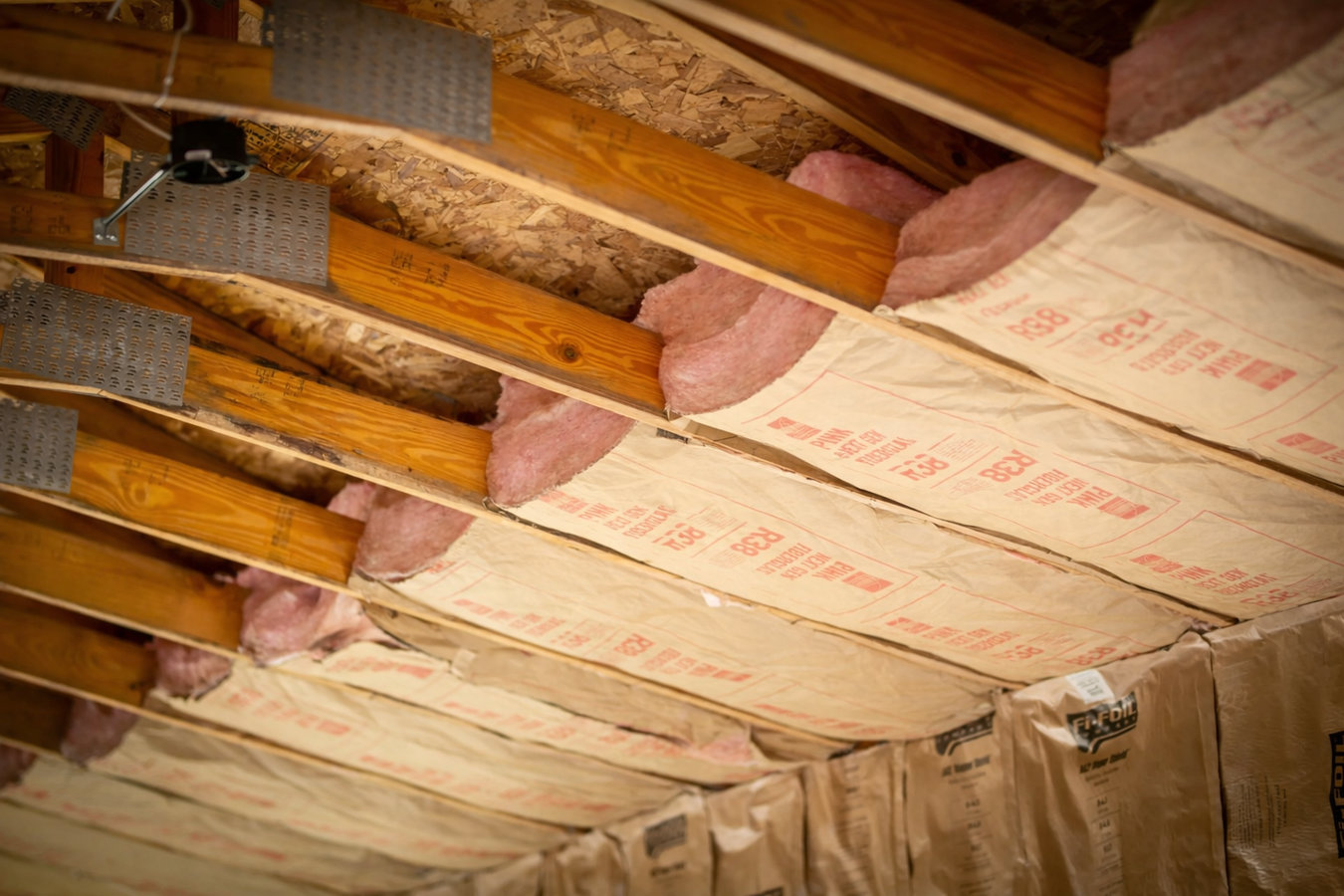
The dominant story in Burbank's housing stock is age. The city grew rapidly during and after World War II as workers arrived for the aircraft and film industries, and the bulk of Burbank's residential neighborhoods were built between the 1940s and 1960s. That means a large share of homes are now 60 to 80 years old. The insulation installed in those homes was minimal by today's standards, and whatever was put in has had six or seven decades to compress and settle. New buyers purchasing older Burbank properties frequently need to address insulation, air sealing, and other building envelope work right after purchase.
The hillside neighborhoods near the Verdugo Mountains add another layer of complexity. Homes in these areas sit in or near designated fire hazard severity zones, and Santa Ana wind events in fall and winter can gust over 50 mph through those hillside streets. Strong winds find every gap in an older home's exterior, and attic venting that does not meet current ember-resistant standards is worth addressing in fire-adjacent neighborhoods. A contractor familiar with Burbank's hillside properties understands that the job often involves more than just adding insulation.